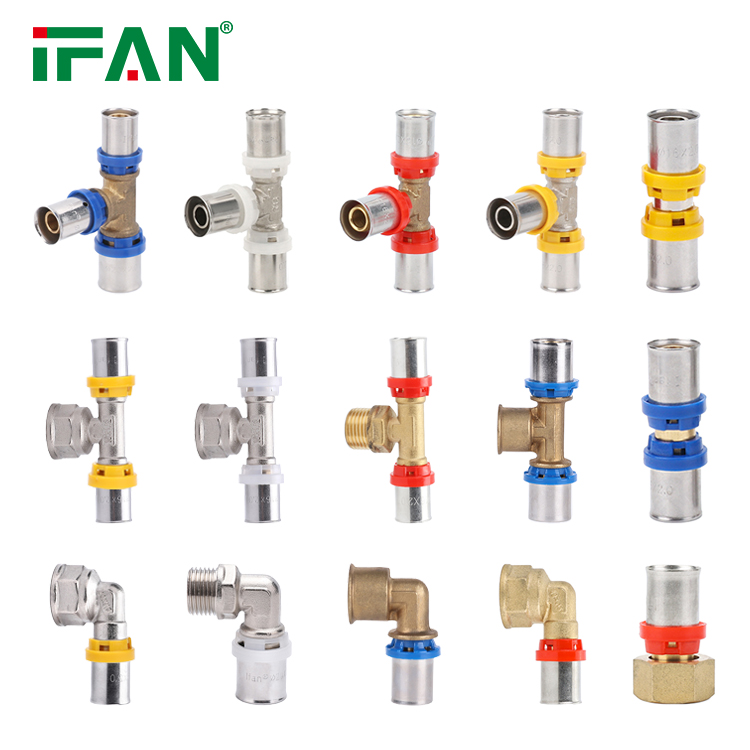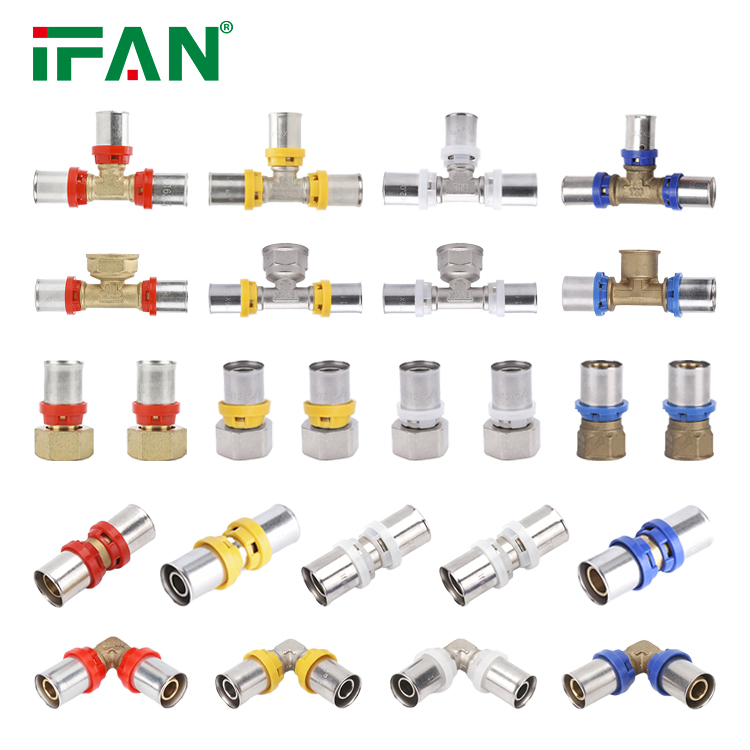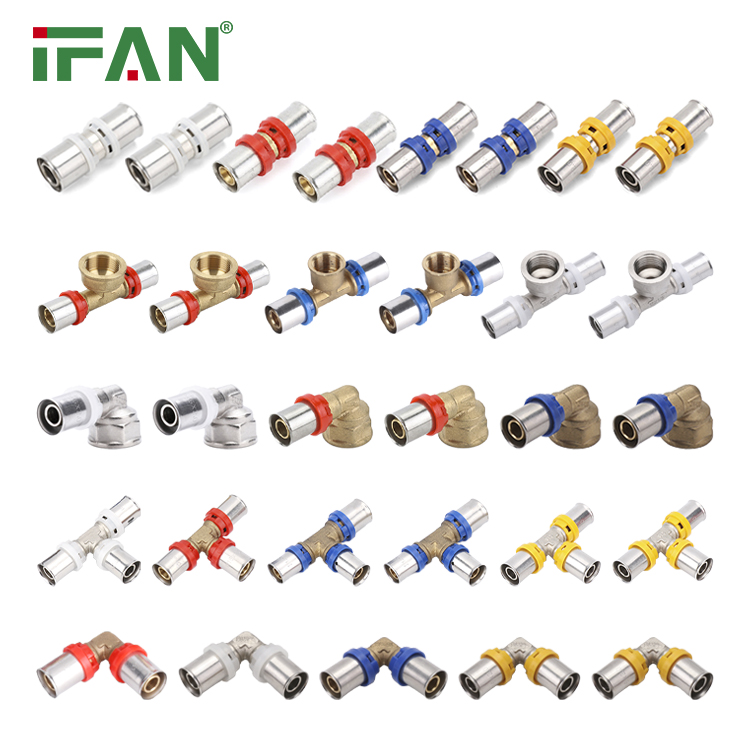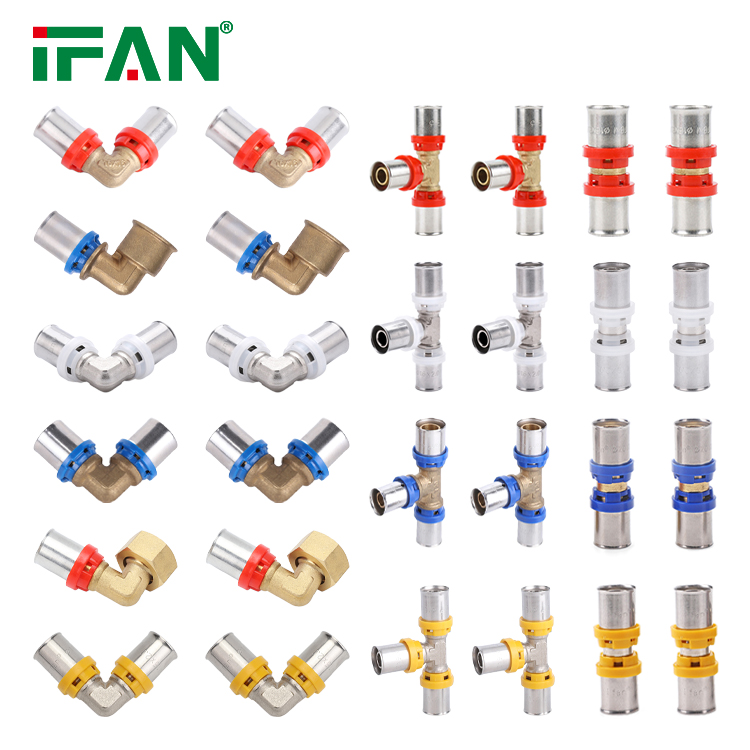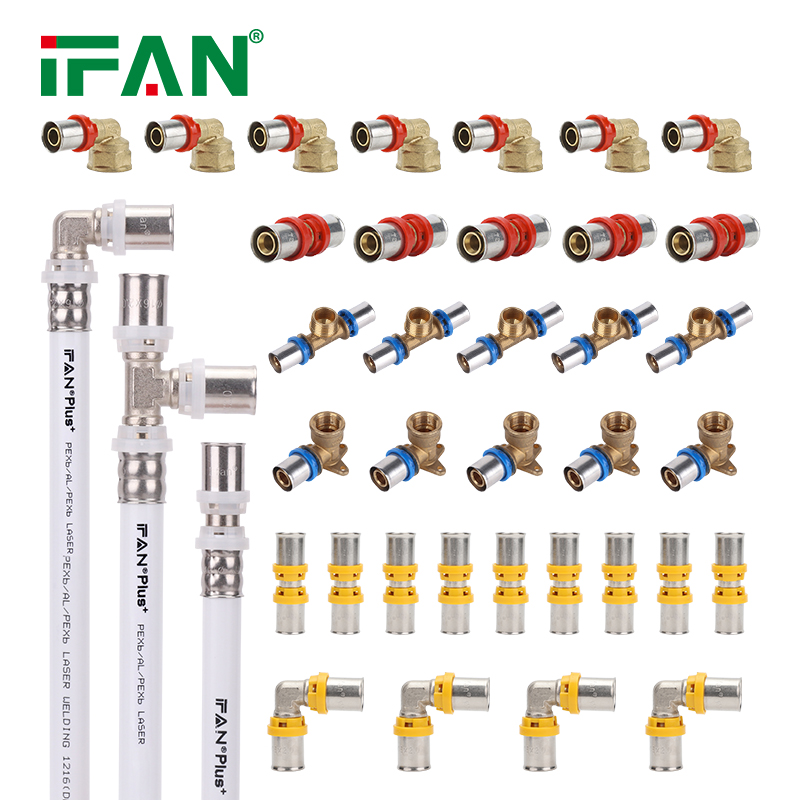
IFAN factory 30+ years manufacture experience support color /size customization support free sample.Welcome to consult for catalog and free samples.This is our Facebook Website:www.facebook.com,Click to watch IFAN’s product video.Compared with Tomex products, our IFAN products from quality to price are your best choice, welcome to buy!
Introduction to PEX Compression Fittings
PEX compression fittings are widely used in plumbing systems due to their reliability and ease of installation. However, even experienced plumbers can encounter issues if they are not aware of common mistakes associated with these fittings. Understanding how to avoid these pitfalls is essential for ensuring a leak-free and durable connection. This guide outlines key strategies to prevent common errors when working with PEX compression fittings.
Ensuring Proper Pipe Cutting
One of the most frequent mistakes made with PEX compression fittings is improper pipe cutting. Using a dull or inappropriate cutting tool can result in a jagged or uneven pipe end, which can lead to poor sealing and potential leaks. To avoid this, always use a sharp PEX pipe cutter specifically designed for clean cuts. Ensure that the cut is straight and clean to facilitate a proper seal when the compression fitting is applied. Additionally, after cutting, deburr the pipe end to remove any remaining debris or sharp edges that could compromise the fitting’s performance.
Choosing the Right Fitting Size
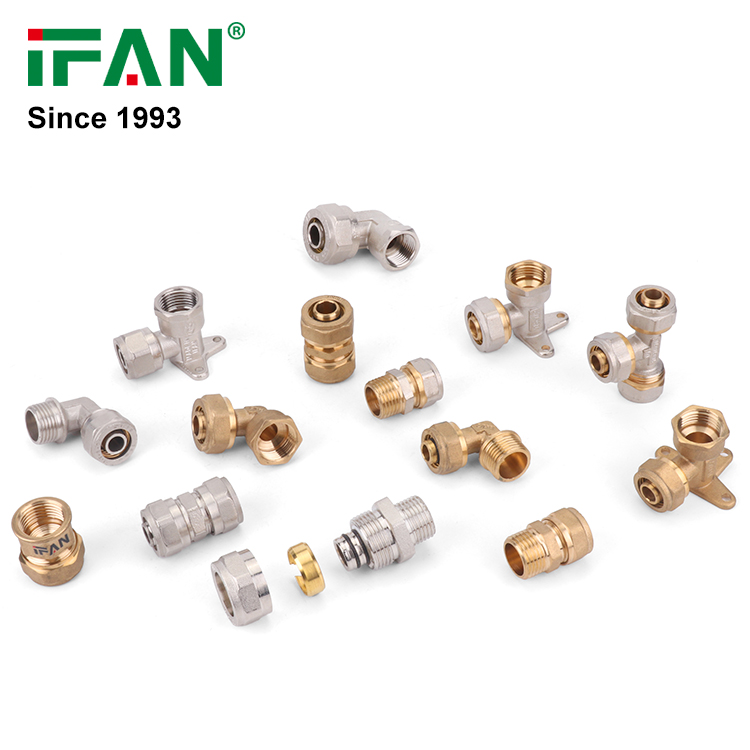
Selecting the correct size of PEX compression fitting is crucial for a secure and leak-free connection. One common mistake is using fittings that do not match the diameter of the PEX pipe, which can lead to insufficient compression and leaks. Before installation, verify the size of both the pipe and the fitting to ensure they are compatible. It’s also essential to use fittings that are specifically designed for PEX tubing, as using fittings meant for other types of pipes can lead to performance issues and potential damage.
Proper Installation Techniques
Proper installation techniques are vital for avoiding leaks and ensuring the longevity of PEX compression fittings. A common mistake is over-tightening the compression nut, which can damage the fitting or pipe and create leaks. Instead, use a dedicated compression tool to tighten the nut evenly, and follow the manufacturer’s recommended torque specifications. Over-tightening can compress the fitting too much, leading to deformation and leaks. Conversely, insufficient tightening can result in a loose connection that may also cause leaks.
Avoiding Contamination and Debris
Contamination and debris are often overlooked but can significantly impact the performance of PEX compression fittings. Before installing a fitting, ensure that both the pipe and fitting are clean and free from dirt, debris, or moisture. Contaminants can interfere with the sealing process and compromise the integrity of the connection. Additionally, avoid using any sealants or tapes that are not recommended by the manufacturer, as these can interfere with the compression process and lead to leaks.
Conducting Post-Installation Checks
After installing PEX compression fittings, it’s important to conduct thorough post-installation checks to ensure that no leaks are present. A common mistake is to skip this step, which can lead to undetected issues that may cause problems later. Perform a pressure test on the system to check for leaks around the fittings. Inspect all connections carefully for any signs of leakage, and address any issues immediately. If leaks are detected, disassemble the fitting, inspect for damage or misalignment, and re-install using proper techniques.
Conclusion
Avoiding common mistakes with PEX compression fittings requires attention to detail and adherence to best practices. By ensuring proper pipe cutting, selecting the correct fitting size, applying appropriate installation techniques, avoiding contamination, and performing post-installation checks, you can achieve a reliable and leak-free plumbing system. Mastering these steps will enhance the durability and performance of your PEX connections, contributing to a more effective and trouble-free plumbing system.