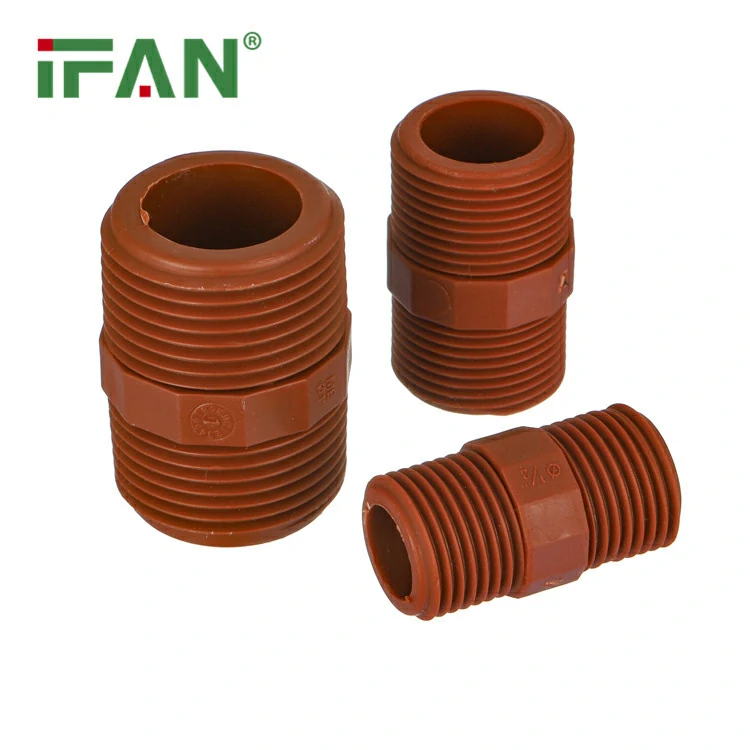
I. Introduction to PPH Fitting Nipples
PPH fitting nipples, constructed from polypropylene homopolymer (PPH), are vital connectors in piping systems. They serve as short, straight pipe segments designed to connect two fittings or a fitting to a pipe, facilitating seamless integration within the piping network. PPH’s exceptional properties make these nipples an ideal choice for various industrial and residential applications.
II. Key Material Advantages of PPH Fitting Nipples
- Durability and Longevity: PPH is renowned for its high durability, enabling PPH fitting nipples to withstand rigorous use and environmental stresses. Their resilience ensures that they maintain structural integrity over extended periods, reducing the need for frequent replacements.
- Chemical Resistance: One of the standout features of PPH is its remarkable chemical resistance. These nipples can safely convey a wide array of fluids, including corrosive chemicals, without suffering degradation or compromising fluid quality.
- Temperature Stability: PPH fitting nipples exhibit excellent temperature tolerance, making them suitable for both low and high-temperature applications. This characteristic ensures reliable performance in a diverse range of environments, from cryogenic conditions to heated processes.
- Smooth Interior Surface: The interior of PPH fitting nipples is smooth and seamless, minimizing friction and turbulence during fluid flow. This promotes efficient fluid transport, reducing energy consumption and enhancing system performance.
III. Versatile Applications of PPH Fitting Nipples
PPH fitting nipples find extensive use in numerous industries, including but not limited to:
- Chemical Processing: Their chemical resistance and durability make them ideal for handling aggressive chemicals in processing plants.
- Plumbing and Water Distribution: Lightweight and easy to install, PPH nipples are often used in domestic and commercial plumbing systems.
- Food and Beverage Industry: The non-toxic nature of PPH ensures safe transport of food and beverage products, adhering to hygiene standards.
- Irrigation Systems: Their resistance to degradation from water and soil chemicals makes them suitable for agricultural irrigation systems.
IV. Advantages Over Other Materials
Compared to traditional materials like metal or PVC, PPH fitting nipples offer several benefits:
- Lightweight: Ease of handling and installation, reducing labor costs.
- Corrosion Resistance: Eliminates the need for costly corrosion prevention measures.
- Cost-Effectiveness: Longer service life and lower maintenance requirements lead to cost savings over time.
- Environmental Friendliness: PPH is recyclable, supporting sustainable practices.