Introduction
The PPR (Polypropylene Random Copolymer) pipe market in India is witnessing significant growth as the country continues to modernize its infrastructure and improve its water management systems. PPR pipes are increasingly being recognized for their durability, resistance to corrosion, and versatility in various applications, particularly in plumbing and industrial settings. This article provides a strategic assessment of the PPR pipe market in India, highlighting key trends, challenges, and future prospects while focusing on the importance of water pipes in the context of sustainable development.
Understanding PPR Pipes
What Are PPR Pipes?
PPR pipes are made from polypropylene random copolymer, a thermoplastic polymer known for its excellent mechanical and thermal properties. These pipes are widely used in plumbing, heating, and cooling systems, as well as in industrial applications where reliable fluid transport is essential. Their lightweight design and ease of installation make them a popular choice among contractors and builders.
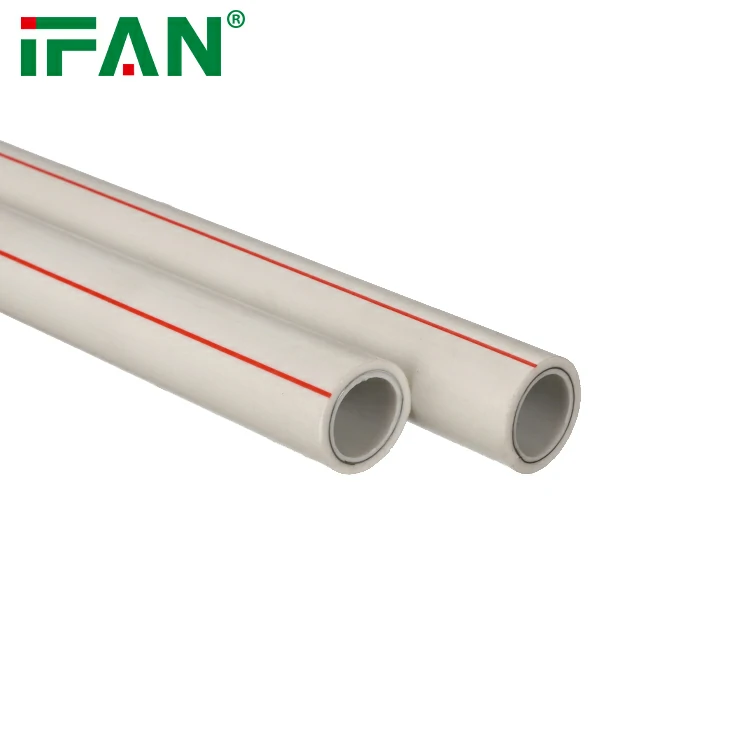
Key Features of PPR Pipes
- Durability: PPR pipes are designed to last for decades, with a lifespan of over 50 years, making them a cost-effective solution for long-term applications.
- Corrosion Resistance: Unlike traditional metal pipes, PPR pipes do not corrode, ensuring a clean and safe water supply.
- Temperature Tolerance: PPR pipes can withstand temperatures up to 95°C (203°F), making them suitable for both hot and cold water applications.
- Eco-Friendly: PPR pipes are recyclable and do not leach harmful chemicals, contributing to environmental sustainability.
- Ease of Installation: The lightweight nature of PPR pipes simplifies handling and installation, while the heat fusion joining method creates leak-proof connections.
The Growing Demand for Water Pipes in India
Urbanization and Infrastructure Development
India is experiencing rapid urbanization, with millions of people migrating to cities in search of better opportunities. This urban influx has led to an increased demand for reliable water supply systems and infrastructure development. The Indian government has launched several initiatives, such as the Smart Cities Mission and the Atal Mission for Rejuvenation and Urban Transformation (AMRUT), aimed at improving water supply and sanitation facilities. These initiatives present significant opportunities for the PPR pipe market.
Water Quality Concerns
Water quality is a critical issue in India, with many regions facing challenges related to contamination and pollution. The need for safe and clean drinking water has become a priority for the government and citizens alike. PPR pipes, with their corrosion resistance and non-toxic properties, can help address these concerns, making them an attractive option for water management applications.
Government Regulations and Standards
The Indian government has implemented strict regulations regarding water quality and safety. Compliance with these standards is essential for manufacturers and suppliers in the plumbing industry. PPR pipes, which meet international quality standards, can provide a solution that aligns with regulatory requirements, further driving their adoption in the market.
Market Trends for PPR Pipes in India
Increasing Adoption in Residential Plumbing
As homeowners become more aware of the importance of water quality and plumbing efficiency, the demand for reliable plumbing solutions has risen. PPR pipes are gaining popularity in residential applications due to their durability, resistance to corrosion, and ability to maintain water quality. Builders and contractors are increasingly recommending these pipes for new construction and renovation projects.
Industrial Applications
The industrial sector in India is witnessing a growing demand for PPR pipes. Industries such as food and beverage, pharmaceuticals, and chemical processing require reliable piping solutions that can withstand harsh conditions and maintain product integrity. The advantages of PPR pipes make them suitable for these demanding applications, driving their adoption in the industrial sector.
Investment in Infrastructure Projects
The Indian government has committed to investing heavily in infrastructure projects, including water supply systems and wastewater treatment facilities. This investment is expected to create a favorable environment for the adoption of advanced piping solutions like PPR pipes. Manufacturers and suppliers are likely to benefit from increased demand as these projects progress.
Technological Advancements
Advancements in manufacturing technologies are enhancing the quality and performance of PPR pipes. Innovations in production processes and materials are leading to the development of pipes that are not only more durable but also more cost-effective. As manufacturers continue to invest in research and development, the market for PPR pipes is expected to grow.
Challenges Facing the Adoption of PPR Pipes
Competition from Alternative Materials
Despite their advantages, PPR pipes face competition from alternative materials such as traditional copper pipes, PVC, and HDPE (High-Density Polyethylene). Each material has its benefits, and manufacturers must effectively communicate the unique advantages of PPR pipes to gain market share.
Cost Considerations
The initial cost of PPR pipes may be higher than that of traditional materials. While the long-term benefits and reduced maintenance costs can offset this initial investment, price sensitivity among consumers and contractors may pose a challenge to widespread adoption.
Regulatory Compliance
Ensuring compliance with local and international regulations is crucial for manufacturers of PPR pipes. Navigating the complex regulatory landscape can be challenging, particularly for smaller companies. Manufacturers must invest in quality assurance processes and certifications to meet regulatory requirements.
Future Prospects for PPR Pipes in India
Increasing Demand for Sustainable Solutions
As environmental concerns continue to rise, the demand for sustainable and eco-friendly plumbing solutions is expected to grow. PPR pipes, being recyclable and free from harmful chemicals, are well-positioned to meet this demand. Manufacturers that prioritize sustainability in their production processes will likely gain a competitive advantage in the market.
Expansion into Emerging Markets
The growing urbanization in smaller cities and rural areas presents an opportunity for PPR pipes. As infrastructure development expands beyond major urban centers, manufacturers can target these emerging markets to increase their customer base.
Government Support and Initiatives
The Indian government’s focus on improving water management systems and promoting the use of advanced materials will drive the demand for PPR pipes. Initiatives aimed at enhancing water quality and safety will create a favorable environment for manufacturers and suppliers in the plumbing industry.
Technological Innovations
Ongoing advancements in manufacturing technologies will enhance the quality and performance of PPR pipes. Companies investing in research and development will be at the forefront of innovation, catering to evolving market needs and consumer preferences.
Conclusion
The PPR pipe market in India is poised for significant growth, driven by urbanization, infrastructure development, and increasing concerns about water quality. As the demand for reliable and efficient water management solutions continues to rise, PPR pipes offer a promising alternative to traditional materials. With their unique combination of durability, corrosion resistance, and eco-friendliness, PPR pipes are well-positioned to play a vital role in shaping the future of plumbing in India.
Frequently Asked Questions (FAQs)
1. What are PPR pipes used for?
PPR pipes are used for various applications, including residential plumbing, industrial fluid transport, heating systems, irrigation, and water distribution networks.
2. How long do PPR pipes last?
PPR pipes have a lifespan of over 50 years, making them a durable and cost-effective choice for long-term applications.
3. Are PPR pipes environmentally friendly?
Yes, PPR pipes are recyclable and free from harmful chemicals, making them an eco-friendly option for plumbing systems.
4. What are the advantages of PPR pipes over traditional materials?
PPR pipes offer several advantages, including durability, corrosion resistance, temperature tolerance, and ease of installation compared to traditional materials like metal and PVC.
5. How does the PPR pipe market in India compare to other materials?
While PPR pipes face competition from materials like PVC and copper, their unique benefits, such as longevity and water quality preservation, position them favorably in the growing Indian market.