Introduction
As the construction and plumbing industries continue to evolve, sustainability has become a crucial consideration for builders, contractors, and homeowners alike. When it comes to choosing piping materials, the debate often centers on PEX (cross-linked polyethylene) pipes and traditional copper pipes. Both materials have their advantages and disadvantages, but how do they stack up against each other in terms of sustainability? This article will explore the sustainability aspects of PEX and copper pipes while also introducing PPR (Polypropylene Random Copolymer) pipes as a viable alternative. By examining the lifecycle, environmental impact, and overall efficiency of these materials, we aim to provide a comprehensive perspective on which option may be more sustainable.
Understanding PEX, Copper, and PPR Pipes
PEX Pipes
PEX pipes have gained popularity in recent years due to their flexibility, resistance to corrosion, and ease of installation. Made from cross-linked polyethylene, PEX pipes can expand and contract, making them suitable for various plumbing applications, including hot and cold water supply lines.
Copper Pipes
Copper pipes have been a staple in plumbing systems for decades. Known for their durability and longevity, copper pipes are resistant to corrosion and can withstand high temperatures. However, the mining and manufacturing processes for copper can have significant environmental impacts.
PPR Pipes
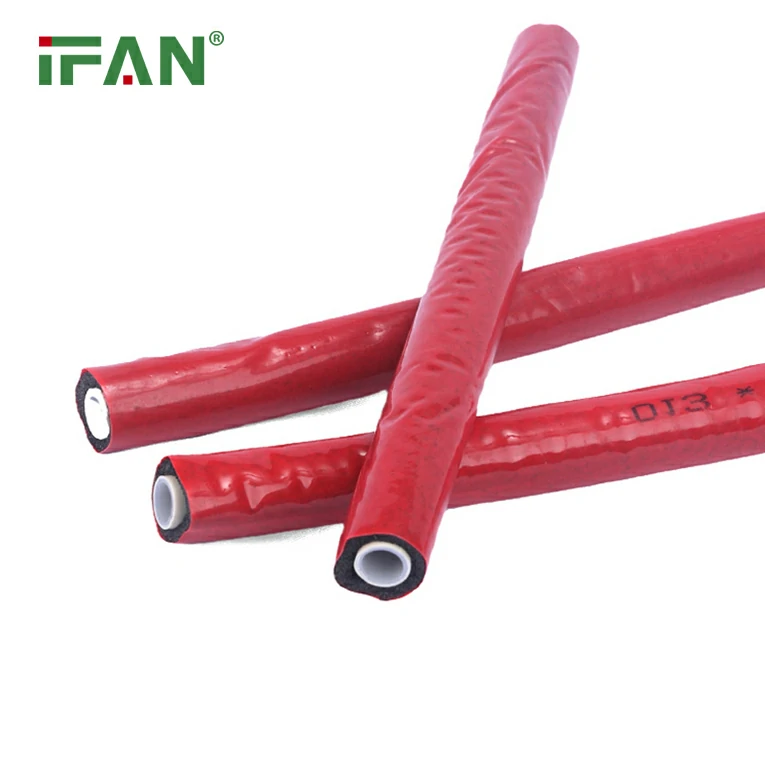
PPR pipes, or Polypropylene Random Copolymer pipes, are another alternative to both PEX and copper. They are lightweight, resistant to high temperatures, and have excellent chemical resistance. PPR pipes are commonly used in both residential and industrial applications, making them a versatile option.
Sustainability Factors to Consider
When evaluating the sustainability of PEX, copper, and PPR pipes, several key factors must be considered:
1. Raw Material Sourcing
- PEX: PEX is derived from petroleum-based products, which raises concerns about its environmental impact. However, advancements in recycling technology are making it easier to recycle PEX at the end of its lifecycle.
- Copper: The extraction of copper involves mining, which can lead to habitat destruction, soil erosion, and water pollution. While copper is recyclable, the energy-intensive mining process poses significant environmental challenges.
- PPR: PPR pipes are made from polypropylene, a type of plastic derived from fossil fuels. However, the manufacturing process for PPR is less energy-intensive compared to copper mining, making it a potentially more sustainable option.
2. Manufacturing Process
- PEX: The production of PEX pipes involves cross-linking polyethylene, which requires chemical processes that can have environmental impacts. However, the energy consumption during manufacturing is relatively low compared to copper.
- Copper: The manufacturing of copper pipes is energy-intensive, requiring significant amounts of electricity and water. The process also generates greenhouse gas emissions, contributing to its overall environmental footprint.
- PPR: The manufacturing process for PPR pipes is generally less harmful to the environment, as it requires lower energy input and produces fewer emissions compared to copper.
3. Lifespan and Durability
- PEX: PEX pipes have a lifespan of 25 to 50 years, depending on the application and environmental conditions. Their flexibility and resistance to corrosion contribute to their longevity.
- Copper: Copper pipes can last for over 50 years when properly maintained. They are resistant to corrosion and can handle high temperatures, making them a durable choice for plumbing systems.
- PPR: PPR pipes have a lifespan of 50 years or more, making them comparable to copper in terms of durability. Their resistance to chemical corrosion also enhances their longevity.
4. Energy Efficiency
- PEX: PEX pipes are known for their excellent insulation properties, which can help reduce energy consumption in heating systems. The flexibility of PEX also allows for easier installation, reducing labor costs and time.
- Copper: While copper has good thermal conductivity, its energy efficiency is often compromised by heat loss through the pipes. Additionally, the installation of copper pipes can be labor-intensive, leading to higher energy costs during installation.
- PPR: PPR pipes also have good insulation properties, making them energy-efficient for hot and cold water applications. Their lightweight nature simplifies installation, contributing to overall energy savings.
5. End-of-Life Considerations
- PEX: PEX pipes are not biodegradable and can contribute to landfill waste if not properly recycled. However, recycling programs are becoming more common, allowing for the reuse of PEX materials.
- Copper: Copper is highly recyclable, with a recycling rate of around 80%. This means that a significant portion of copper pipes can be repurposed, reducing the environmental impact of mining new materials.
- PPR: PPR pipes can be recycled, but the infrastructure for recycling plastic materials is not as developed as that for metals like copper. Efforts are ongoing to improve recycling rates for PPR.
Comparing Sustainability: PEX vs. Copper vs. PPR
Environmental Impact
When considering the overall environmental impact, PEX pipes may have a higher initial footprint due to their petroleum-based origins. However, their production process is less energy-intensive than that of copper pipes. Copper’s mining process poses significant environmental challenges, making it less sustainable in the long run. PPR pipes, while still derived from fossil fuels, offer a balanced approach with lower energy consumption during manufacturing and good durability.
Lifecycle Assessment
A lifecycle assessment (LCA) can help determine the overall sustainability of each material. PEX pipes may have a shorter lifespan than copper, but their energy-efficient installation and flexibility can offset some of the environmental costs. Copper pipes, while durable, have a high environmental impact during extraction and manufacturing. PPR pipes present a compelling case, as they balance durability and lower manufacturing emissions.
Cost Considerations
While the initial cost of PEX pipes may be lower than that of copper, the long-term savings associated with energy efficiency and reduced maintenance can make PEX a cost-effective choice. Copper pipes, although durable, often come with higher upfront costs and installation expenses. PPR pipes are generally more affordable than copper and offer a good balance of performance and cost.
Conclusion
When comparing PEX, copper, and PPR pipes in terms of sustainability, it becomes evident that each material has its strengths and weaknesses. PEX pipes offer flexibility and ease of installation but are derived from petroleum-based products. Copper pipes provide durability and longevity but come with significant environmental costs associated with mining and manufacturing. PPR pipes present a balanced approach, combining good durability with lower energy consumption during production.
Ultimately, the choice between PEX, copper, and PPR pipes will depend on specific project requirements, budget constraints, and sustainability goals. By considering the lifecycle, environmental impact, and overall efficiency of these materials, builders and homeowners can make informed decisions that align with their sustainability objectives.
Frequently Asked Questions (FAQs)
1. Which is more sustainable: PEX or copper pipes?
While both have their advantages, PEX pipes may have a lower environmental impact during installation due to their flexibility and ease of use. However, copper pipes are highly recyclable, which can mitigate some of their environmental costs.
2. Are PPR pipes a good alternative to PEX and copper?
Yes, PPR pipes are a viable alternative, offering good durability, lower energy consumption during manufacturing, and resistance to corrosion. They can be an excellent choice for various plumbing applications.
3. How long do PEX, copper, and PPR pipes last?
PEX pipes typically last 25 to 50 years, copper pipes can last over 50 years, and PPR pipes have a lifespan of 50 years or more, making them comparable in durability.
4. Can PEX pipes be recycled?
Yes, PEX pipes can be recycled, although the infrastructure for recycling may not be as developed as that for metals like copper.
5. What factors should I consider when choosing piping materials?
When selecting piping materials, consider factors such as sustainability, durability, cost, installation ease, and the specific requirements of your plumbing project.