In recent years, the plumbing industry has faced scrutiny over the quality and safety of its products, particularly regarding lead-free brass fittings. A significant development in this area is the Vanguard Piping and Viega brass fittings class action settlement, which has garnered attention for its implications on consumers and manufacturers alike. In this article, we will delve into the details of the settlement, the issues surrounding brass fittings, and what it means for consumers and the plumbing industry.
Understanding Brass Fittings
1. What Are Brass Fittings?
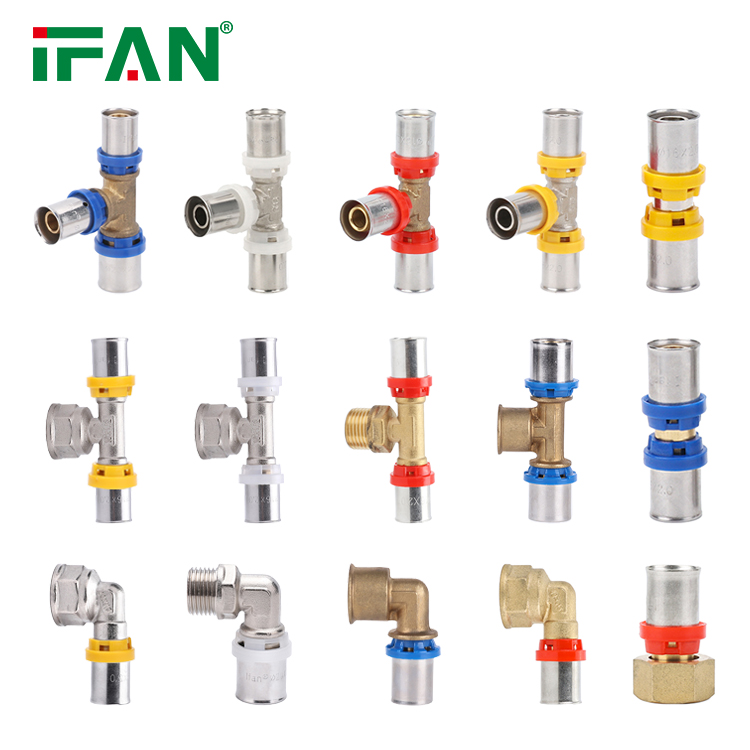
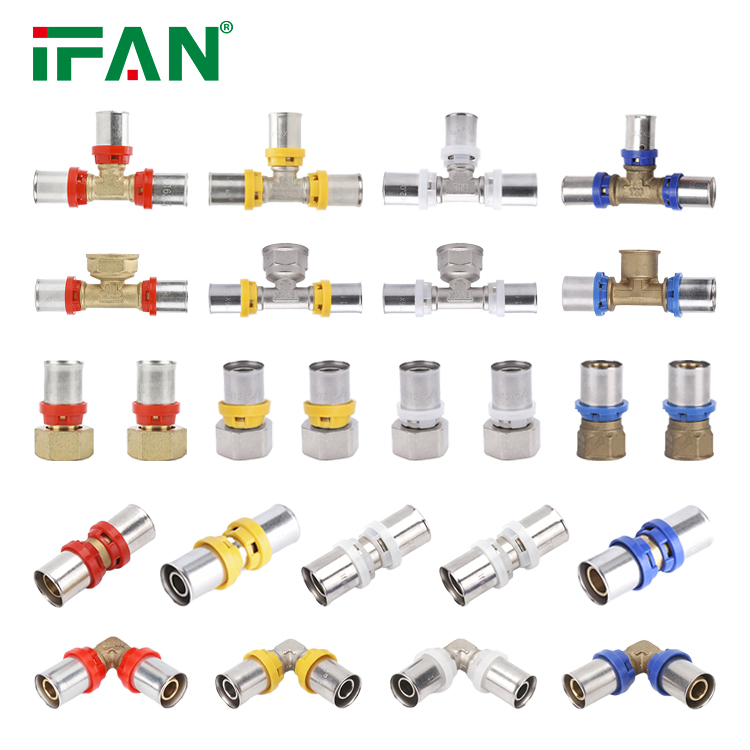
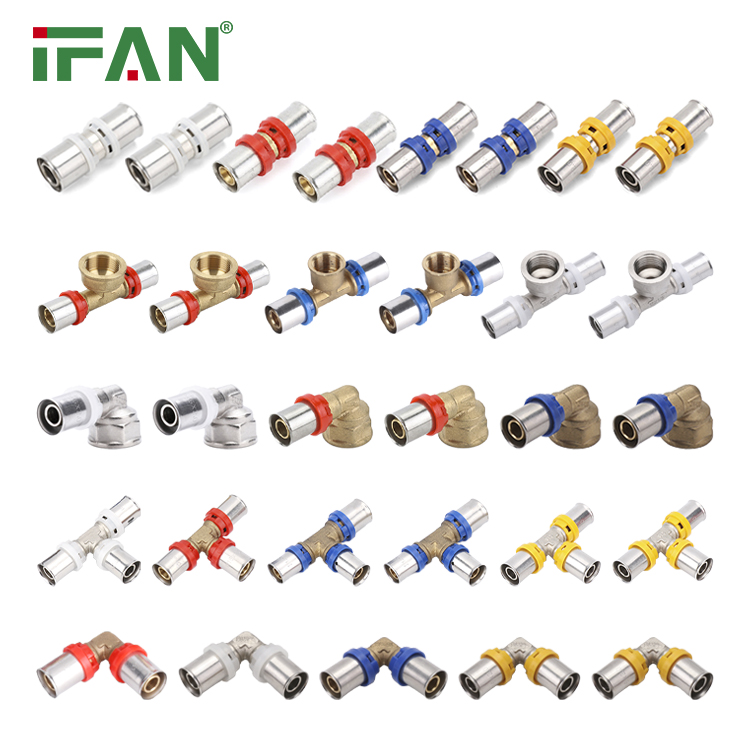
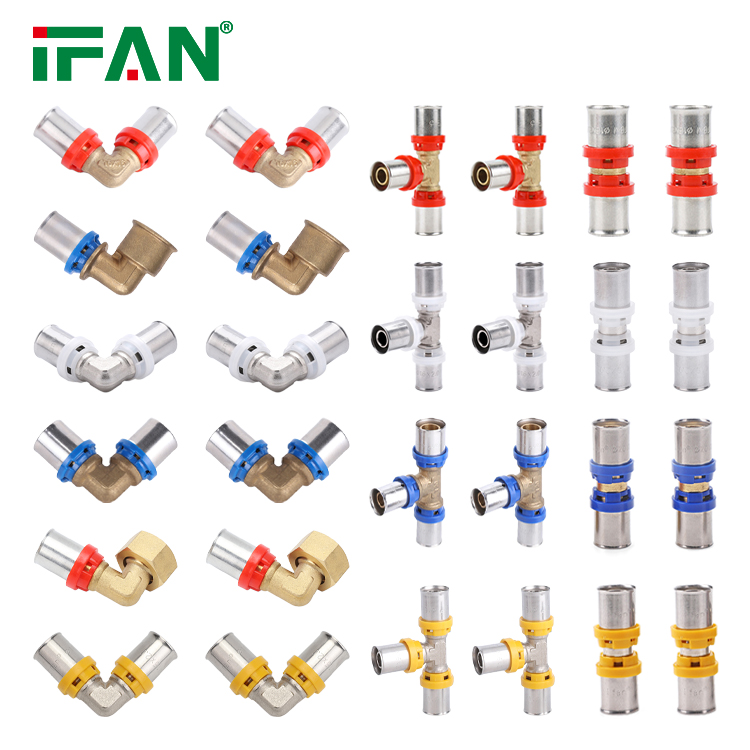
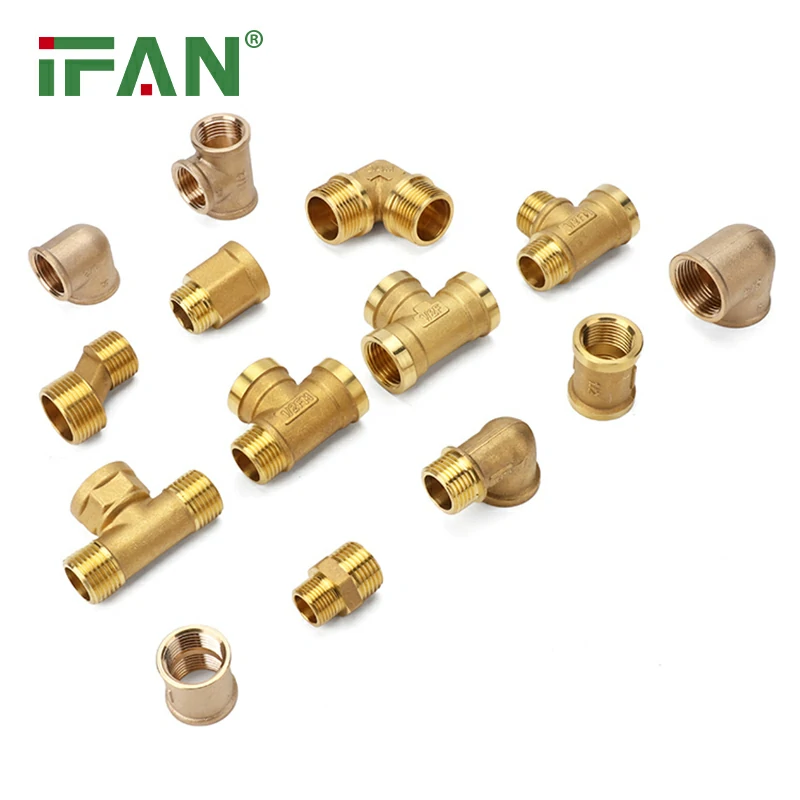
Brass fittings are essential components in plumbing systems, used to connect pipes and fixtures. Made primarily from copper and zinc, brass fittings are known for their durability, corrosion resistance, and ability to withstand high pressures. However, the introduction of lead-free regulations has led to the rise of lead-free brass fittings, which are designed to minimize health risks associated with lead contamination.
2. The Importance of Lead-Free Brass Fittings
Lead-free brass fittings are crucial for ensuring safe drinking water. The U.S. Environmental Protection Agency (EPA) has set strict guidelines regarding lead content in plumbing materials, particularly those that come into contact with drinking water. Lead exposure can lead to serious health issues, making the transition to lead-free materials a priority for manufacturers and consumers.
The Vanguard Piping and Viega Settlement
1. Background of the Class Action
The class action lawsuit against Vanguard Piping and Viega arose from allegations that certain brass fittings did not meet the lead-free standards set by the EPA. Consumers claimed that they purchased these fittings under the assumption that they were safe for use in drinking water systems, only to find that they contained lead levels above acceptable limits.
2. Key Details of the Settlement
The settlement, which was reached after extensive negotiations, includes several key components:
- Compensation for Affected Consumers: Consumers who purchased the affected brass fittings may be eligible for compensation. This compensation could cover the cost of the fittings and any related expenses incurred due to their use.
- Product Recall: Affected products will be recalled from the market to prevent further consumer exposure to potentially hazardous materials.
- Quality Control Measures: Vanguard Piping and Viega have agreed to implement stricter quality control measures to ensure that all future brass fittings comply with lead-free regulations.
- Consumer Awareness Campaign: As part of the settlement, the companies will launch a consumer awareness campaign to educate the public about the importance of lead-free plumbing materials and how to identify safe products.
3. Implications for the Industry
The Vanguard Piping and Viega settlement has significant implications for the plumbing industry. It underscores the importance of adhering to safety regulations and maintaining transparency with consumers. Manufacturers may need to invest more in testing and quality assurance processes to avoid similar legal challenges in the future.
The Impact on Consumers
1. Consumer Rights and Awareness
The settlement highlights the importance of consumer rights in the plumbing industry. Consumers have the right to expect that the products they purchase are safe and meet regulatory standards. This case serves as a reminder for consumers to remain vigilant and informed about the products they use in their homes.
2. Ensuring Safe Plumbing Practices
With the settlement’s focus on lead-free brass fittings, consumers are encouraged to prioritize safety in their plumbing choices. Here are some tips for ensuring safe plumbing practices:
- Research Products: Before purchasing brass fittings, research the manufacturer and ensure they comply with lead-free regulations.
- Check for Certifications: Look for products that have been certified by reputable organizations, indicating they meet safety standards.
- Consult Professionals: If unsure about the safety of a product, consult a licensed plumber or plumbing expert for guidance.
The Future of Brass Fittings
1. Innovations in Brass Fitting Technology
As the plumbing industry moves forward, innovations in brass fitting technology are likely to emerge. Manufacturers are increasingly focused on developing new materials and designs that not only meet safety standards but also improve performance and longevity.
2. The Shift Towards Eco-Friendly Materials
There is a growing trend toward using eco-friendly materials in plumbing applications. Manufacturers are exploring alternatives to traditional brass fittings that offer similar durability and safety without the environmental impact. This shift aligns with consumer demand for sustainable products and practices.
Conclusion
The Vanguard Piping and Viega brass fittings class action settlement serves as a pivotal moment in the plumbing industry, emphasizing the importance of safety and compliance with lead-free regulations. As consumers become more aware of their rights and the products they use, manufacturers must prioritize transparency and quality in their offerings. The future of brass fittings looks promising, with innovations on the horizon that will enhance safety and sustainability in plumbing systems.
Frequently Asked Questions (FAQs)
1. What are brass fittings?
Brass fittings are plumbing components made from a combination of copper and zinc, used to connect pipes and fixtures in plumbing systems.
2. Why are lead-free brass fittings important?
Lead-free brass fittings are essential