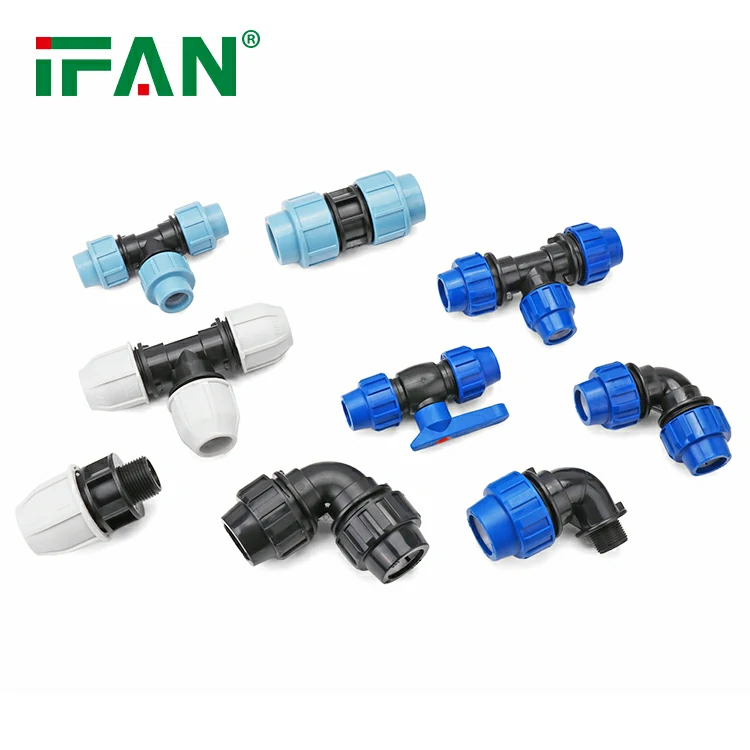
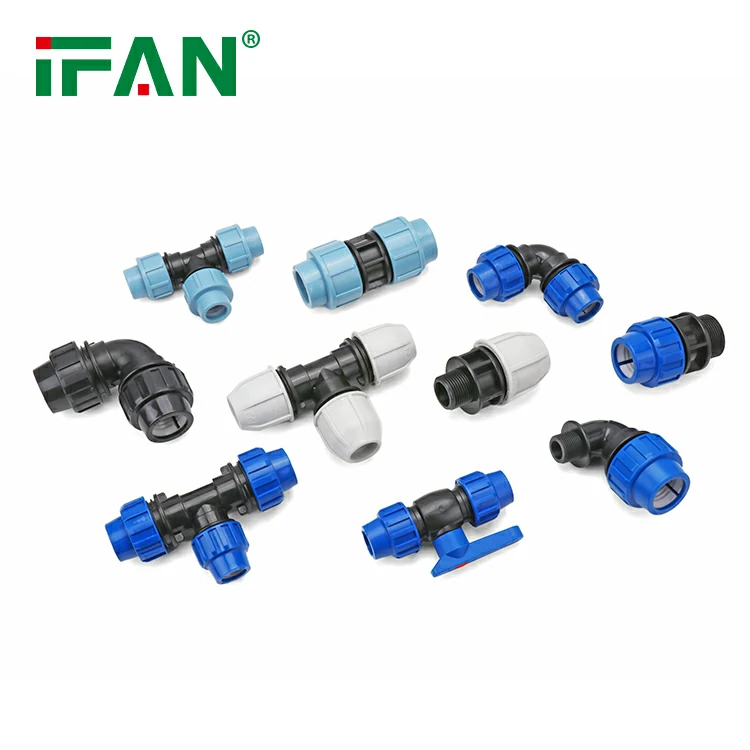
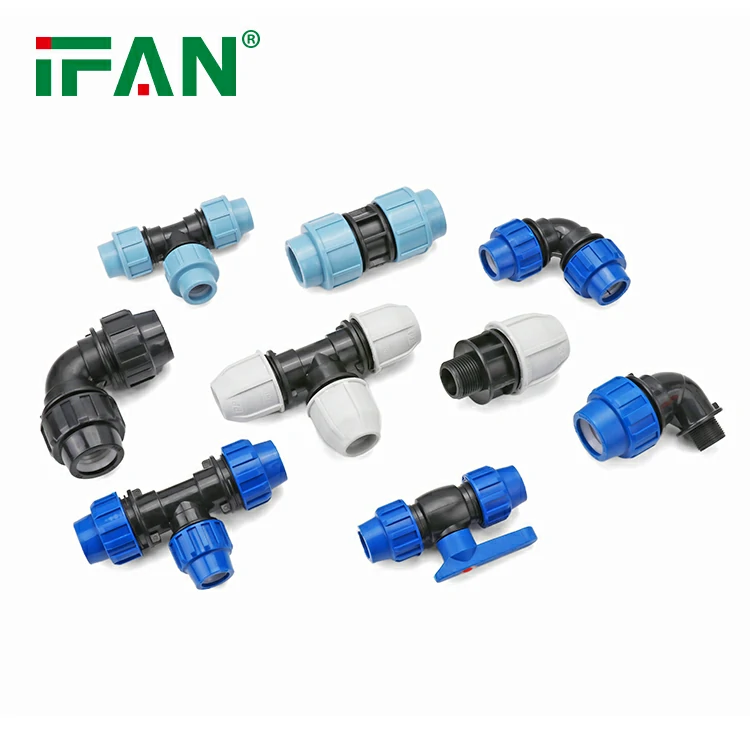
IFAN factory 30+ years manufacture experience support color /size customization support free sample.Welcome to consult for catalog and free samples.This is our Facebook Website:www.facebook.com,Click to watch IFAN’s product video.Compared with Tomex products, our IFAN products from quality to price are your best choice, welcome to buy!
When it comes to choosing the right HDPE fittings for your project, it can be a daunting task due to the wide variety of options available. High-Density Polyethylene (HDPE) fittings are popular because of their durability, chemical resistance, and long-lasting nature. They are used in a range of applications including water distribution, gas distribution, and industrial processes. This step-by-step guide will help you understand how to choose the best HDPE fittings for your specific project needs.
Step 1: Understand the Purpose of Your HDPE Fittings
The first step in selecting the right HDPE fittings is to clearly understand the purpose of your project. Are you installing a water supply system, a gas distribution line, or an industrial process piping system? The type of fluid being transported, the pressure requirements, and environmental conditions will greatly influence the type of fittings you need.
Key Considerations:
– Fluid type: Ensure the fittings are compatible with the fluid you plan to transport (e.g., potable water, chemicals, etc.).
– Pressure requirements: Identify the maximum pressure your system will handle. HDPE fittings come in various pressure ratings.
– Temperature: HDPE is temperature sensitive, and the fittings you select must be able to withstand the operating temperatures.
Step 2: Choose the Correct HDPE Fitting Type
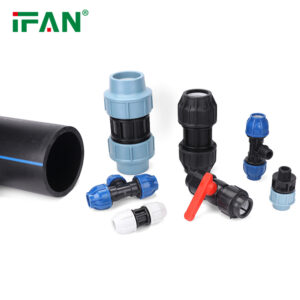
There are several types of HDPE fittings designed for different applications. Depending on your project requirements, you’ll need to choose the right type of fitting. Common types include:
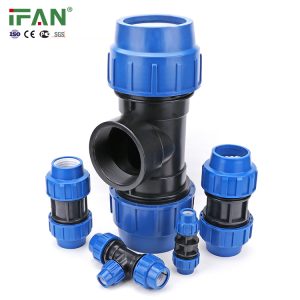
– Elbows: Used to change the direction of the pipeline, typically available in 45° and 90° angles.
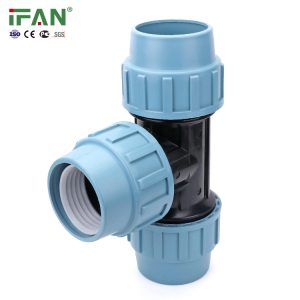
– Tees: Used to branch off the pipeline into two directions.
– Reducers: Used to change the size of the pipe, allowing for a smooth transition between different diameters.
– Couplers: Used to join two sections of pipe together.
– Flanges: Used to connect HDPE pipes to other materials or systems, typically using bolts.
Make sure to choose the correct fitting that suits your system layout and functional requirements.
Step 3: Consider Pressure Rating and Size
Each HDPE fitting is rated for specific pressure levels. The pressure rating of your system should match or exceed the pressure rating of the fittings. Typically, HDPE fittings are rated for 2.5 to 25 bar, but higher ratings are available for industrial use.
Also, choose fittings that match the pipe diameter you are using. HDPE fittings are available in a wide range of sizes, so it is crucial to ensure that the fitting size matches the pipe size for proper installation and efficient flow.
Tip:
For projects involving high-pressure systems, consider using reinforced HDPE fittings or additional support systems to handle the pressure demands.
Step 4: Material Considerations
HDPE fittings are made from high-density polyethylene, but there are different grades available. Depending on your project’s environment, you may need to choose a specific grade of HDPE. For example:
– Standard HDPE fittings: Suitable for general use in water distribution and sewage systems.
– UV-resistant HDPE fittings: Ideal for outdoor installations where the fittings will be exposed to direct sunlight.
– Chemical-resistant HDPE fittings: For projects that involve transporting chemicals or other corrosive materials.
Choose the right material based on the specific chemicals, temperature, and environmental conditions your piping system will encounter.
Step 5: Decide on the Connection Method
There are two primary methods for connecting HDPE fittings: butt fusion and electrofusion.
– Butt fusion: This method involves heating the ends of two pipes and then fusing them together. This provides a strong and durable connection, commonly used for larger pipes and systems.
– Electrofusion: This method uses an electrically heated fitting to join pipes. It is ideal for smaller pipes or in situations where butt fusion may not be feasible due to space constraints.
Both methods require specific equipment and expertise. Be sure to choose the connection method that best fits your project’s requirements.
Step 6: Evaluate Environmental Factors
Environmental conditions can greatly affect the performance of your HDPE fittings. These factors include:
– Temperature extremes: Make sure that the HDPE fittings selected can withstand both high and low temperatures, especially in outdoor installations.
– UV exposure: If the fittings will be exposed to direct sunlight, make sure they are UV-resistant to prevent degradation over time.
– Soil conditions: For underground installations, consider using corrosion-resistant fittings to protect against soil-related degradation.
Step 7: Check Compliance with Standards
HDPE fittings should meet industry standards to ensure safety, quality, and performance. Look for fittings that are certified by reputable organizations such as the American Society for Testing and Materials (ASTM) or ISO standards. This ensures that the fittings you select are reliable and meet the necessary specifications for your project.
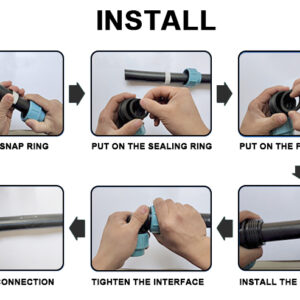
Step 8: Installation and Maintenance Considerations
Finally, it’s essential to think about the ease of installation and maintenance for your HDPE fittings. Consider whether the fittings require specialized tools or training for installation. Additionally, ensure that maintenance requirements are minimal, as HDPE fittings generally require low maintenance. However, regular checks for wear and tear, especially in high-pressure systems, can extend the life of your system.
Conclusion
Choosing the right **HDPE fittings** for your project is a critical decision that can impact the efficiency, safety, and longevity of your system. By understanding your project’s specific needs, choosing the right type of fitting, considering pressure and size requirements, and evaluating environmental factors, you can ensure a successful installation. Always follow best practices for installation and maintenance to avoid common issues down the road.
Frequently Asked Questions (FAQs)
1. What is the difference between butt fusion and electrofusion in HDPE fittings?
Butt fusion involves heating the ends of pipes to fuse them together, while electrofusion uses an electrically heated fitting to join pipes. Butt fusion is typically used for larger pipes, while electrofusion is ideal for smaller pipes or tight spaces.
2. How do I determine the correct pressure rating for HDPE fittings?
Check the maximum pressure your system will encounter and ensure that the fittings you choose have a pressure rating equal to or higher than the system’s requirements.
3. Can HDPE fittings be used for both hot and cold water systems?
Yes, HDPE fittings can be used for both hot and cold water systems, but it’s important to ensure that the fittings selected can handle the required temperature range.
4. Do I need UV-resistant HDPE fittings for outdoor use?
Yes, UV-resistant HDPE fittings are essential for outdoor installations where they will be exposed to sunlight, as they help prevent degradation due to UV exposure.
5. Can HDPE fittings be repaired if they are damaged?
Yes, HDPE fittings can typically be repaired by cutting out the damaged section and re-fusing it with new fittings. However, it’s important to ensure that the new fittings are compatible with the original system.
By following this guide, you’ll be able to select the right HDPE fittings that suit your project needs, ensuring a robust, efficient, and long-lasting piping system.