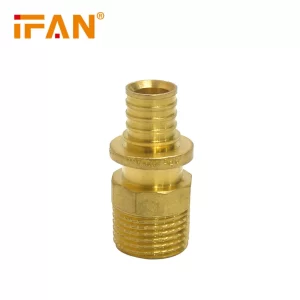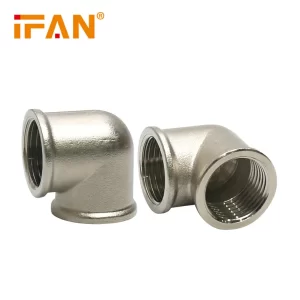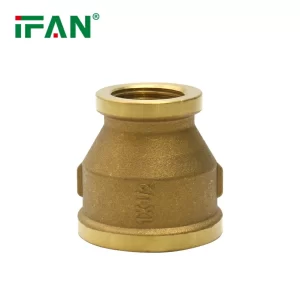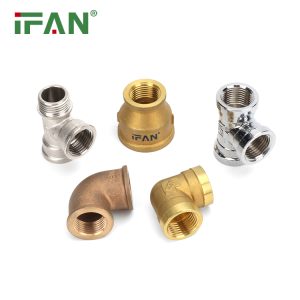
IFAN factory 30+ years manufacture experience support color /size customization support free sample.Welcome to consult for catalog and free samples.This is our Facebook Website:www.facebook.com,Click to watch IFAN’s product video.Compared with Tomex products, our IFAN products from quality to price are your best choice, welcome to buy!
When it comes to choosing the right material for your plumbing systems, the decision can be challenging. Brass fittings are widely regarded as a reliable option, but how do they compare to other materials like copper, plastic, and steel? In this article, we’ll explore the advantages and disadvantages of brass fittings in comparison to other materials, helping you make an informed choice for your plumbing needs.
What Are Brass Fittings?
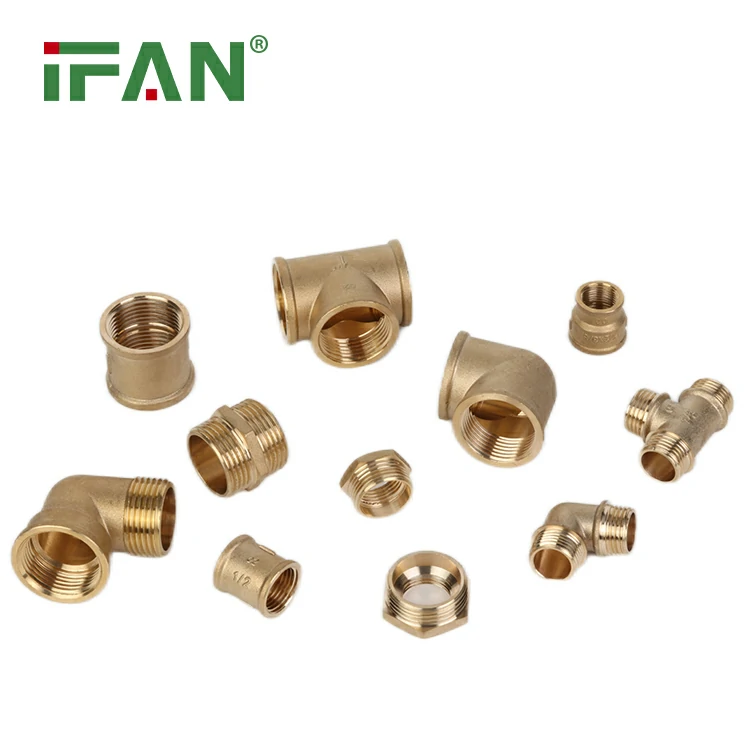
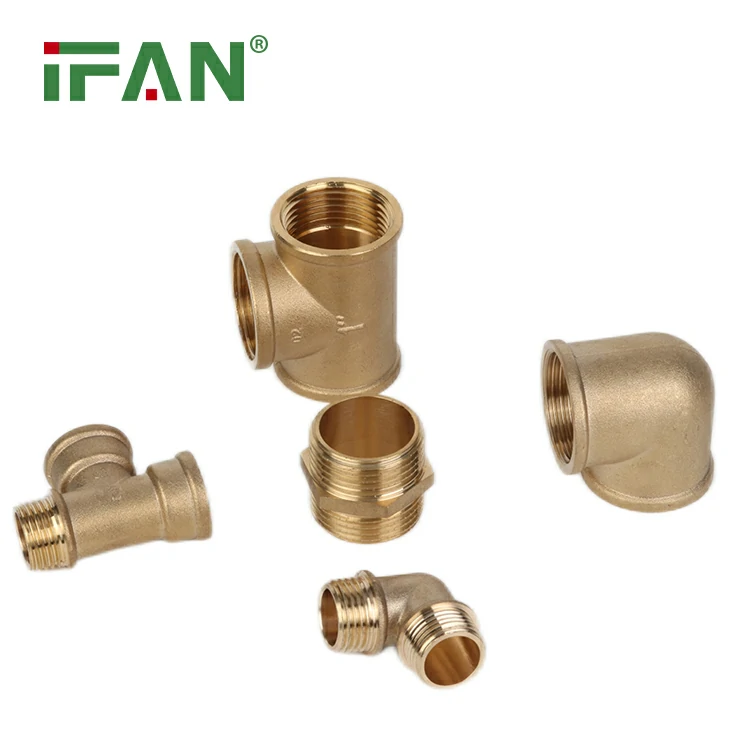
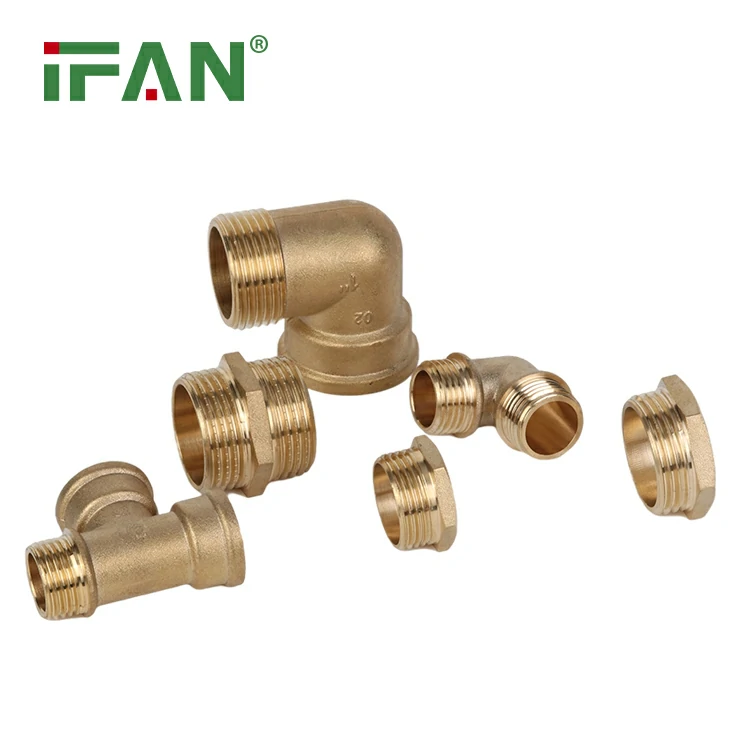
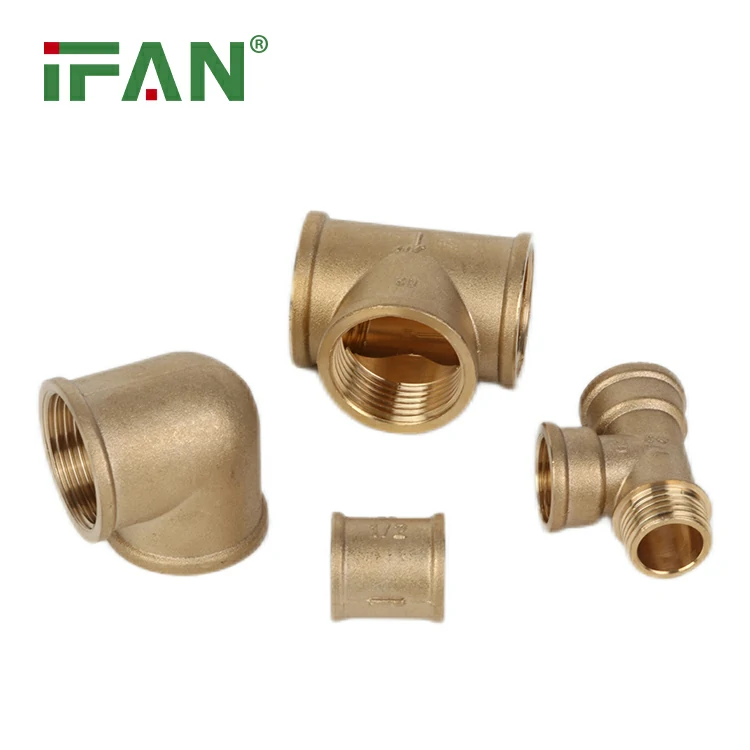
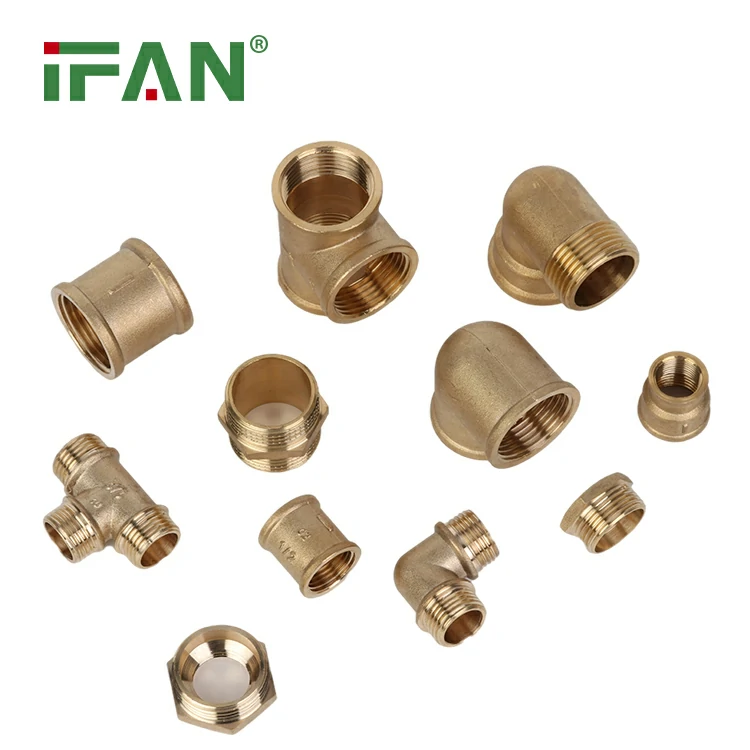
Brass fittings are plumbing components made from an alloy of copper and zinc. Known for their durability, resistance to corrosion, and malleability, brass fittings are commonly used in plumbing systems for water, gas, heating, and other applications. These fittings come in various shapes, including elbows, couplings, and tees, allowing for versatile connections in your piping systems.
Advantages of Brass Fittings
Brass fittings offer several benefits that make them a popular choice for plumbing systems. Let’s take a closer look at why brass fittings are so widely used.
1. Durability and Longevity
Brass is a highly durable material. It is resistant to corrosion and rust, making it an excellent choice for long-term plumbing solutions. Brass fittings can withstand high-pressure systems and extreme temperatures, which ensures they last longer than many other materials, such as plastic or steel.
2. Corrosion Resistance
One of the most significant advantages of brass fittings is their resistance to corrosion. While copper can corrode over time, brass retains its structural integrity much longer. This makes brass fittings ideal for water supply lines, gas systems, and other plumbing systems that are exposed to moisture or harsh conditions.
3. Malleability and Ease of Use
Brass is easier to work with than some other metals. Its malleability allows for precision when manufacturing fittings, ensuring a perfect fit for your plumbing system. The ease of installation makes brass a top choice for both professional plumbers and DIY enthusiasts.
4. Safe for Drinking Water
Brass is a non-toxic material and is often used in systems that carry drinking water. Many brass fittings are approved by regulatory bodies like the NSF (National Sanitation Foundation), ensuring they meet health and safety standards.
Brass Fittings vs. Copper Fittings
Copper is another popular material used in plumbing systems. While both **brass fittings** and copper fittings share similarities, there are key differences to consider.
Advantages of Copper Fittings:
– Corrosion Resistance: Copper is also highly resistant to corrosion, but it can suffer from pitting in highly acidic or alkaline environments.
– Natural Antimicrobial Properties: Copper has natural antimicrobial properties, making it ideal for use in drinking water systems.
– Long Lifespan: Copper is known for its longevity, often lasting over 50 years in plumbing systems.
Disadvantages of Copper Fittings:
– Brittleness: Copper fittings can be more brittle, especially when exposed to extreme temperatures, making them more prone to cracking than brass.
– Higher Cost: Copper fittings tend to be more expensive than brass, making brass a more cost-effective option for many homeowners and businesses.
– Harder to Work With: Copper is not as malleable as brass, making it more challenging to work with, especially for DIY projects.
Conclusion: Brass fittings are often more affordable and easier to work with than copper, making them a practical choice for many plumbing applications.
Brass Fittings vs. Plastic Fittings
Plastic fittings (usually PVC, CPVC, or PEX) have become increasingly popular in plumbing due to their low cost and ease of installation. But how do they compare to brass fittings?
Advantages of Plastic Fittings:
– Cost-Effective: Plastic fittings are generally cheaper than brass, making them a go-to choice for budget-conscious projects.
– Lightweight: Plastic fittings are lightweight, which can make installation easier and faster.
– Corrosion-Free: Plastic fittings are immune to rust and corrosion, making them ideal for water supply lines in areas with hard water or high humidity.
Disadvantages of Plastic Fittings:
– Not as Durable: Plastic fittings are less durable than brass, especially in high-temperature or high-pressure situations. Over time, they may degrade, crack, or become brittle.
– Limited Use: Plastic fittings are not recommended for gas lines or high-pressure systems, as they are not as robust as brass in these applications.
– Chemical Sensitivity: Certain chemicals, such as solvents and oils, can degrade plastic fittings, reducing their effectiveness.
Conclusion: Plastic fittings are ideal for residential water supply systems in low-pressure situations but may not provide the durability and safety that brass fittings offer for more demanding applications.
Brass Fittings vs. Steel Fittings
Steel fittings are often used in industrial and commercial plumbing applications where strength and durability are essential. But how do they compare to brass fittings?
Advantages of Steel Fittings:
– Strength: Steel is stronger than brass and can withstand extremely high pressures and temperatures.
– Corrosion Resistance (Stainless Steel): Stainless steel fittings are highly resistant to corrosion and can endure harsh environments, making them ideal for industrial use.
Disadvantages of Steel Fittings:
– Heavy: Steel fittings are much heavier than brass, making them harder to install, especially in large systems.
– Higher Cost:Steel fittings are more expensive than brass, which can make them less cost-effective for residential plumbing.
– Prone to Corrosion (Non-Stainless Steel): Regular steel is prone to rust and corrosion, especially in moist environments, unless it’s coated or treated.
Conclusion: While steel fittings are extremely strong and suitable for heavy-duty industrial applications, brass is often a more cost-effective and versatile solution for most residential and commercial plumbing systems.
When to Choose Brass Fittings
Brass fittings are a versatile choice for various plumbing applications, but they shine in specific situations:
– Water Supply: Brass fittings are ideal for water lines, as they are corrosion-resistant and safe for drinking water.
– Gas Systems: Brass is strong enough to handle gas lines, where durability and safety are paramount.
– Heating Systems: Brass fittings perform well in systems dealing with hot water or steam.
– Outdoor Systems: Brass is perfect for irrigation systems, as it resists rust and weathering.
Conclusion: Which Is Best for Your Needs?
The best choice for your plumbing system depends on several factors, including cost, durability, and specific application requirements. Brass fittings offer a balance of strength, corrosion resistance, and affordability, making them an excellent choice for most plumbing systems. However, copper, plastic, and steel fittings each have their own benefits that may suit particular needs.
If you’re looking for a cost-effective, durable, and easy-to-work-with material for your plumbing system, brass fittings are a reliable option that can handle a wide range of applications. For more demanding industrial systems, you may opt for steel, while plastic fittings can work well in residential settings where low cost and ease of installation are the priority.
Frequently Asked Questions (FAQs)
1. What are brass fittings made of?
Brass fittings are made from an alloy of copper and zinc. This combination makes them durable, resistant to corrosion, and easy to work with.
2. Can brass fittings be used for both hot and cold water systems?
Yes, brass fittings are suitable for both hot and cold water systems due to their ability to withstand high temperatures and resist corrosion.
3. Are brass fittings safe for drinking water?
Yes, brass fittings are safe for drinking water systems. They are non-toxic and meet health and safety standards for potable water systems.
4. Why should I choose brass fittings over plastic fittings?
Brass fittings are more durable and reliable than plastic fittings, especially in high-pressure, high-temperature, or industrial applications. Plastic fittings are more affordable but are less durable in demanding conditions.
5. How do I maintain brass fittings?
Brass fittings require minimal maintenance. Periodically inspect them for leaks or signs of wear. You can clean them with a soft cloth and mild detergent to keep them free from dirt and grime.
By following the Yoast SEO best practices, this article has included relevant keywords like “brass fittings,” “plumbing systems,” and “advantages of brass” to ensure it performs well in search engine results.
Related products