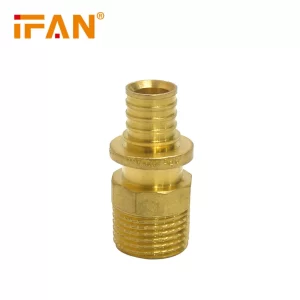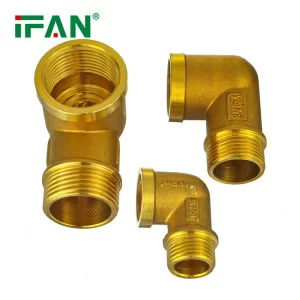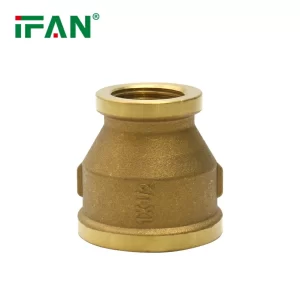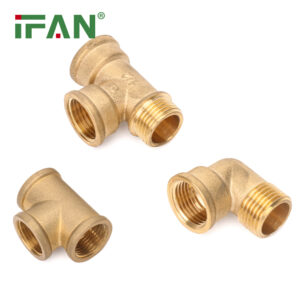
IFAN factory 30+ years manufacture experience support color /size customization support free sample.Welcome to consult for catalog and free samples.This is our Facebook Website:www.facebook.com,Click to watch IFAN’s product video.Compared with Tomex products, our IFAN products from quality to price are your best choice, welcome to buy!
Brass fittings are essential components in a variety of plumbing, HVAC, and mechanical systems. Whether you are a beginner or someone who has some experience with home improvement or plumbing, understanding the basics of brass fittings can help you make better choices when installing or maintaining your system. This guide will walk you through the key aspects of brass fittings, their uses, types, advantages, and how to maintain them to ensure a long-lasting, leak-free plumbing system.
What Are Brass Fittings?
Brass fittings are metallic connectors made from brass, an alloy of copper and zinc. These fittings are widely used in plumbing, gas, and mechanical systems due to their strength, corrosion resistance, and ease of installation. Brass fittings come in various sizes, shapes, and designs, making them suitable for different types of pipes, including copper, steel, and plastic.
The Composition of Brass
Brass is composed of copper and zinc, with varying percentages of each metal depending on the desired characteristics of the alloy. For example, some brass alloys contain more copper for enhanced corrosion resistance, while others may have higher zinc content for increased strength. The combination of copper and zinc in brass gives it a yellow-golden color and exceptional durability.
Types of Brass Fittings
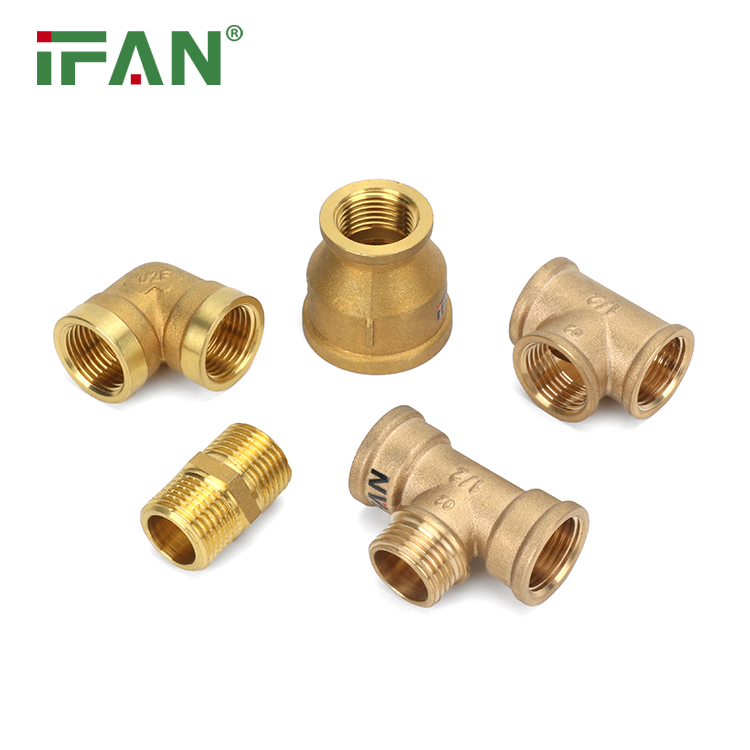
There are several types of brass fittings, each designed for a specific purpose. Understanding the different types of brass fittings can help you choose the right one for your project.
1. Compression Fittings
Compression fittings are widely used in plumbing systems to connect two pipes. They consist of a brass nut, a compression ring, and a compression fitting body. The compression ring is squeezed tightly against the pipe, creating a strong, leak-proof seal. Compression fittings are easy to install and are often used in residential plumbing applications.
2. Elbow Fittings
Elbow fittings are used to change the direction of the piping system. They come in various angles, such as 45-degree and 90-degree elbows, and are commonly used in plumbing, HVAC, and automotive systems. These fittings help redirect the flow of fluids or gases through a pipe system.
3. Tee Fittings
Tee fittings are used to create a junction where three pipes meet. The design of the tee fitting allows for fluid or gas to flow in multiple directions from a single source. Tee fittings are essential in systems that require branching or splitting of the flow.
4. Couplings
Couplings are used to connect two sections of pipe, allowing for an extended pipe run. They are typically installed when two pieces of pipe need to be joined together. Brass couplings provide a strong, durable connection that ensures the system remains leak-free.
5. Nipple Fittings
Nipple fittings are short pieces of pipe that are threaded at both ends. These fittings are used to connect two other fittings or sections of pipe. They are available in various lengths and are commonly used in both residential and commercial plumbing systems.
Advantages of Brass Fittings
Brass fittings offer several advantages that make them the preferred choice in many plumbing and mechanical applications.
1. Corrosion Resistance
Brass is highly resistant to corrosion, which makes it ideal for use in wet environments like plumbing systems. Unlike steel, which can rust over time, brass maintains its integrity and appearance even when exposed to water and air.
2. Durability
Brass fittings are strong and durable. They can withstand high pressure and extreme temperatures, making them suitable for a variety of plumbing and industrial applications. The material’s durability ensures that brass fittings will last for many years with proper maintenance.
3. Ease of Installation
Brass fittings are easy to install, even for beginners. They are available in a range of sizes and styles, and many come with threaded ends for easy connection to pipes. Compression fittings, in particular, are simple to install and do not require specialized tools.
4. Non-toxic Properties
Brass is a non-toxic material, making it safe for use in drinking water systems. This is especially important for residential plumbing, as it ensures that water remains safe for consumption.
5. Aesthetic Appeal
Brass fittings have an attractive yellow-golden hue that can add a decorative touch to exposed piping systems. Whether you are working on a home renovation or installing new plumbing, brass fittings can complement the overall aesthetic of your space.
How to Maintain Brass Fittings
Proper maintenance is key to ensuring that your brass fittings last for many years. Here are some essential tips for maintaining brass fittings:
1. Regular Cleaning
Brass fittings can accumulate dirt and grime over time. To maintain their appearance and functionality, clean them regularly with warm water and mild soap. Avoid using harsh chemicals or abrasive materials that could scratch the brass surface.
2. Inspect for Leaks
Regularly check your brass fittings for signs of leaks. Even the smallest leak can lead to bigger issues if not addressed promptly. If you notice any leaks, turn off the water supply, tighten the fitting, or replace damaged washers or O-rings.
3. Avoid Over-tightening
When installing or tightening brass fittings, avoid using excessive force. Over-tightening can cause damage to the threads or cause the fitting to crack. Tighten the fitting until it is secure, but stop once it is firmly in place.
4. Lubricate Moving Parts
Brass fittings with moving parts, such as valves, can benefit from occasional lubrication. Use a silicone-based lubricant to keep the parts functioning smoothly and prevent rust or corrosion.
Common Applications of Brass Fittings
Brass fittings are used in a wide variety of applications, including:
– Plumbing Systems: Brass fittings are often used to connect water pipes, faucets, and other plumbing fixtures.
– Gas Systems: They are commonly used to connect pipes in gas systems due to their ability to withstand high pressure and prevent leaks.
– HVAC Systems: Brass fittings are used in heating, ventilation, and air conditioning systems for connecting pipes and ducts.
– Automotive Applications: Brass fittings are used in automotive systems for fluid and air connections.
– Industrial Equipment: Brass fittings are used in machinery and equipment that require a strong, durable, and corrosion-resistant material.
Conclusion
Brass fittings are a reliable and durable solution for a wide range of plumbing, mechanical, and industrial applications. They offer several advantages, including corrosion resistance, durability, and ease of installation. By understanding the different types of brass fittings and how to maintain them, you can ensure that your plumbing system remains in top condition for many years.
Frequently Asked Questions (FAQs)
1. What are brass fittings made of?
Brass fittings are made from an alloy of copper and zinc, which provides them with strength, corrosion resistance, and durability.
2. Can brass fittings be used for both hot and cold water?
Yes, brass fittings are suitable for both hot and cold water systems due to their high resistance to temperature fluctuations.
3. How do I install brass fittings?
Brass fittings can be installed by threading them onto the pipes, using compression fittings, or soldering, depending on the type of fitting and application.
4. Do brass fittings require regular maintenance?
Yes, to ensure longevity, brass fittings should be cleaned regularly, checked for leaks, and maintained by lubricating moving parts if necessary.
5. Are brass fittings safe for drinking water?
Yes, brass fittings are non-toxic and safe for use in drinking water systems, as long as they meet plumbing standards.
Related products