The plumbing industry has seen significant innovations over the years, and one of the most notable developments has been the rise of PPR fittings (Polypropylene Random Copolymer) as a preferred material for piping systems. As demand for more efficient, durable, and eco-friendly solutions grows, PPR fittings are setting new standards in the manufacturing of PPR pipes and fittings. This article explores how PPR fittings are revolutionizing the industry, offering unparalleled benefits in terms of durability, efficiency, and sustainability.
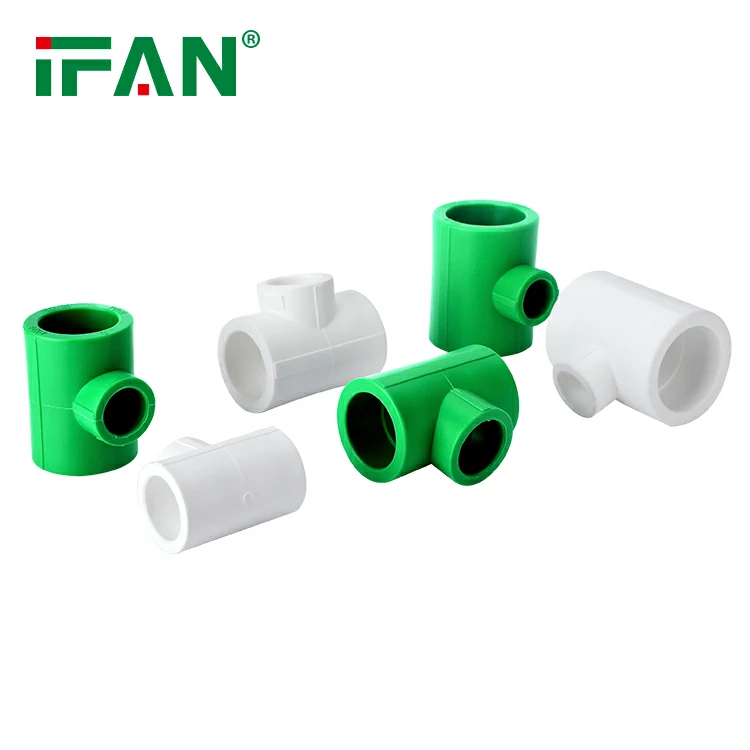
What Are PPR Fittings?
PPR fittings are components used in PPR piping systems. PPR, a high-quality thermoplastic polymer, is known for its excellent resistance to high temperatures, chemicals, and corrosion. These fittings are designed to be fused together using heat fusion techniques, ensuring strong, leak-free joints. PPR fittings are used in a variety of plumbing applications, including drinking water systems, hot and cold water distribution, and even industrial fluid transfer systems.
The main advantage of PPR fittings over traditional materials like PVC or metal is their superior performance and longevity. The growing demand for PPR fittings is a result of their remarkable benefits, especially in terms of cost-effectiveness and environmental friendliness.
Why Are PPR Fittings Gaining Popularity?
1. Durability and Longevity
One of the primary reasons for the increasing preference for PPR fittings is their remarkable durability. PPR pipes and fittings can withstand extreme temperatures, ranging from -10°C to 95°C, without deteriorating. Their resistance to chemicals and corrosion makes them ideal for long-term use, reducing the need for frequent maintenance and replacements.
Additionally, PPR fittings are resistant to scaling, which ensures smooth water flow over the years. This makes them a reliable and low-maintenance option for both residential and commercial plumbing systems.
2. Eco-Friendly and Non-Toxic
With growing environmental concerns, sustainable plumbing solutions are in high demand. PPR fittings are made from a non-toxic, recyclable material that does not leach harmful chemicals into the water supply. This makes them a safe choice for potable water systems. Moreover, since PPR fittings are manufactured with minimal environmental impact, they align perfectly with green building initiatives and eco-conscious construction projects.
3. Cost-Effectiveness
Although PPR fittings might have a slightly higher initial cost than traditional piping materials, they offer long-term cost savings. Their durability and resistance to wear and tear reduce the need for costly repairs and replacements. Additionally, the easy installation process and energy-efficient manufacturing techniques further contribute to the overall cost-effectiveness of PPR fittings.
4. Easy Installation and Maintenance
Another advantage of PPR fittings is their ease of installation. PPR fittings are joined using heat fusion, which creates a seamless, leak-proof connection. This fusion process eliminates the need for additional tools or adhesives, making it a quick and reliable method for joining pipes and fittings. This also reduces the chances of leaks, which is a common problem in older piping systems.
Furthermore, PPR fittings require minimal maintenance. The smooth inner surface of the pipes reduces the accumulation of dirt and sediment, ensuring a longer lifespan for the entire plumbing system.
New Standards in PPR Pipe and Fitting Manufacturing
Manufacturers are setting new benchmarks in PPR pipe and fitting production by focusing on improving both the quality and efficiency of the manufacturing process. The latest innovations in PPR fittings manufacturing include:
Advanced Production Techniques
The use of state-of-the-art machinery and automated production lines has enhanced the precision and consistency of PPR fittings. These technologies ensure that every fitting meets international standards for strength, durability, and safety. Advanced testing methods, such as pressure testing and temperature cycling, guarantee that PPR fittings will perform under demanding conditions.
Innovation in Fitting Designs
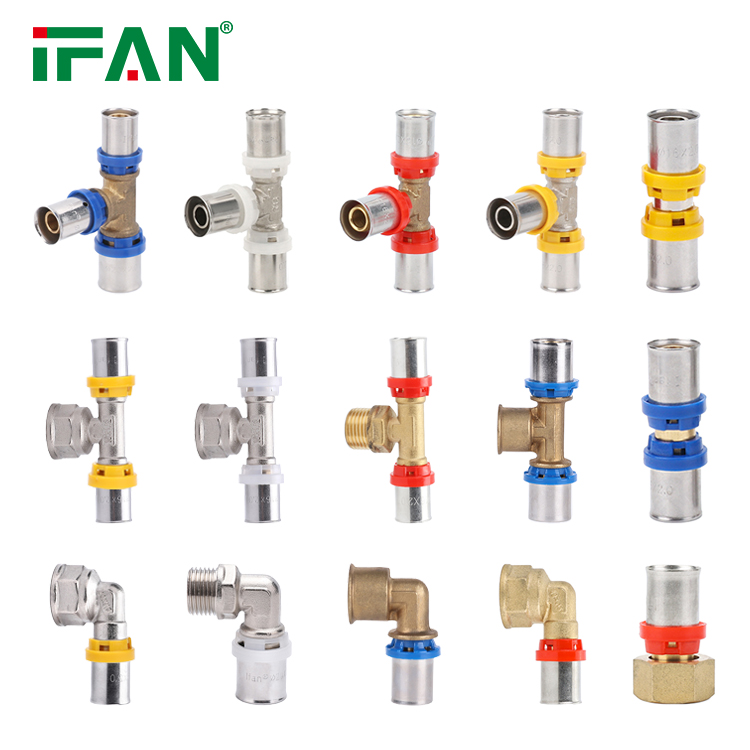
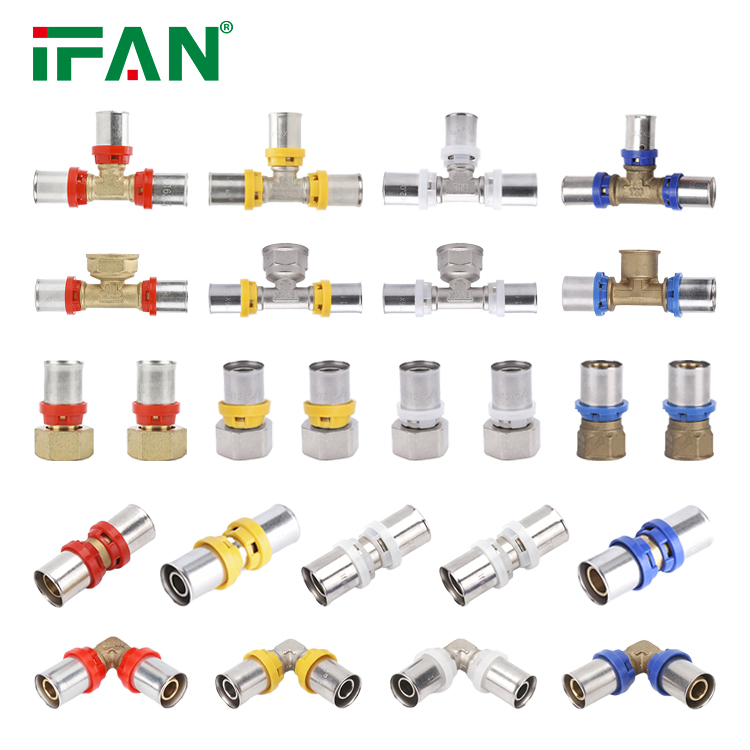
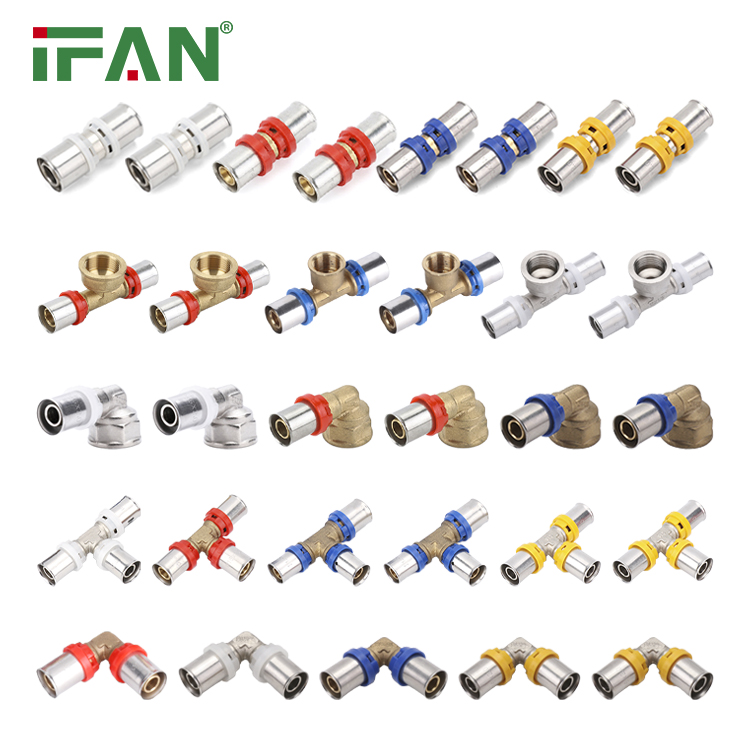
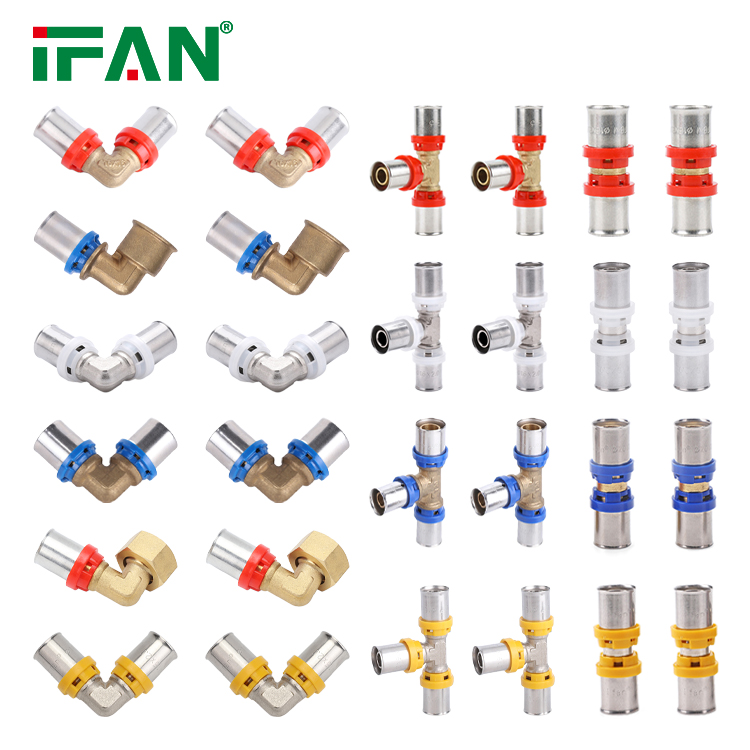
Modern PPR fittings come in a variety of designs, ensuring that they can be used in a wide range of applications. Manufacturers are continuously improving the shape, size, and functionality of PPR fittings to meet the ever-evolving needs of the plumbing industry. Custom-designed fittings are now available for specific applications, providing even more flexibility for plumbing professionals.
Enhanced Material Composition
The development of new PPR materials has further strengthened the reliability of PPR fittings. These advanced materials offer increased resistance to UV radiation, higher tensile strength, and better impact resistance, making them suitable for more demanding environments. The result is a product that not only performs better but also has an extended service life.
Sustainability in Manufacturing
Manufacturers are also focusing on reducing the environmental footprint of PPR fittings. From utilizing energy-efficient machinery to employing recycling techniques for raw materials, the industry is striving to be more eco-friendly. The manufacturing process itself has become more sustainable, further enhancing the appeal of PPR fittings as an environmentally responsible choice for modern plumbing systems.
The Future of PPR Fittings in Plumbing
With ongoing innovations and a growing demand for more efficient and sustainable plumbing solutions, the future of PPR fittings looks incredibly promising. As more industries and residential properties shift toward PPR piping systems, the focus will continue to be on enhancing performance, improving installation processes, and minimizing environmental impact.
The continued evolution of PPR fittings will pave the way for smarter, greener, and more cost-effective plumbing solutions worldwide.
Frequently Asked Questions (FAQ)
1. What are the main advantages of using PPR fittings?
PPR fittings offer high durability, resistance to corrosion, non-toxicity, eco-friendliness, and low maintenance costs. They are ideal for both hot and cold water systems.
2. How long do PPR fittings last?
With proper installation and maintenance, PPR fittings can last up to 50 years, making them a long-term investment for plumbing systems.
3. Can PPR fittings be used for industrial applications?
Yes, PPR fittings are widely used in industrial applications due to their high temperature and pressure resistance, as well as their ability to handle a wide range of chemicals.
4. Are PPR fittings safe for drinking water systems?
Yes, PPR fittings are made from non-toxic materials that meet international standards for potable water systems.
5. How are PPR fittings installed?
PPR fittings are installed using a heat fusion process, where the pipes and fittings are melted and fused together to create a strong, leak-proof joint.