Introduction
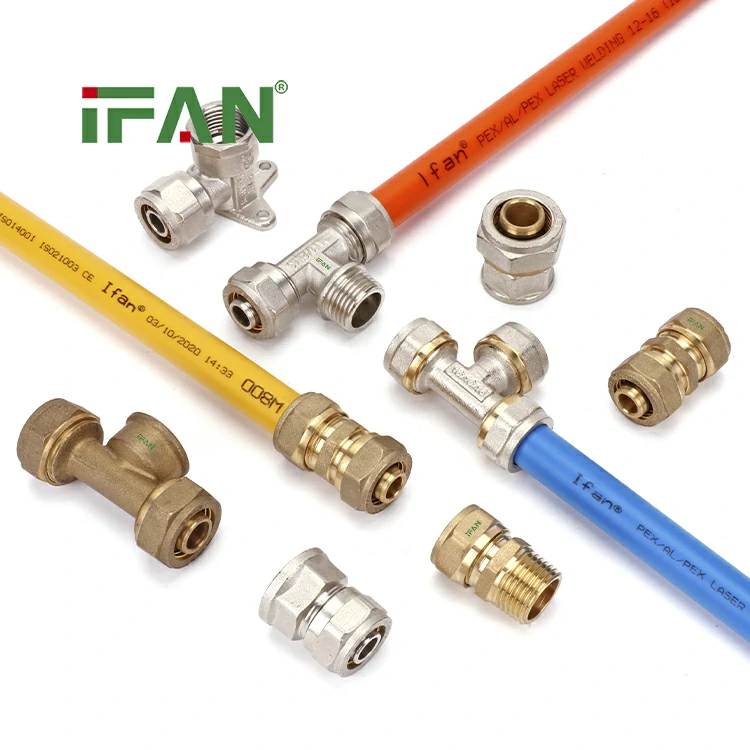
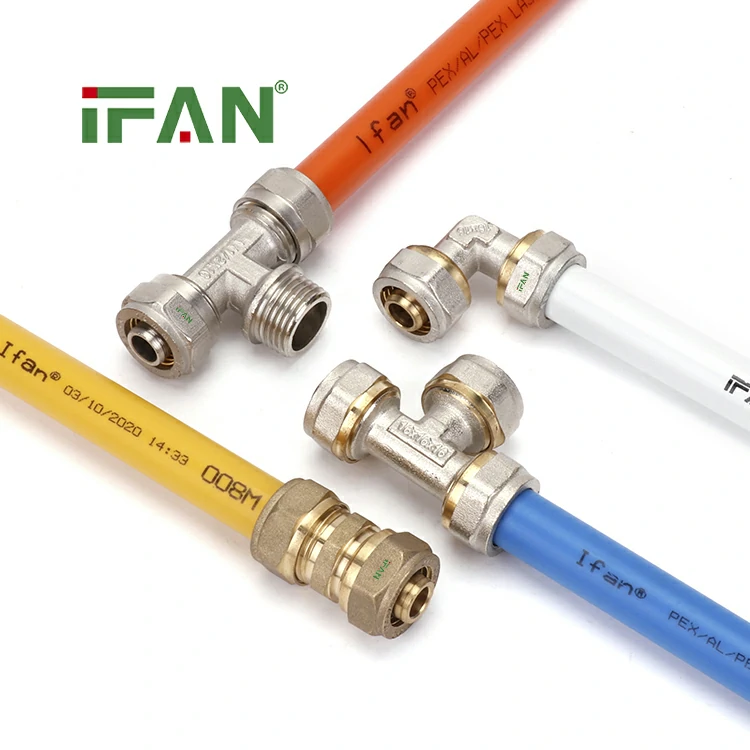
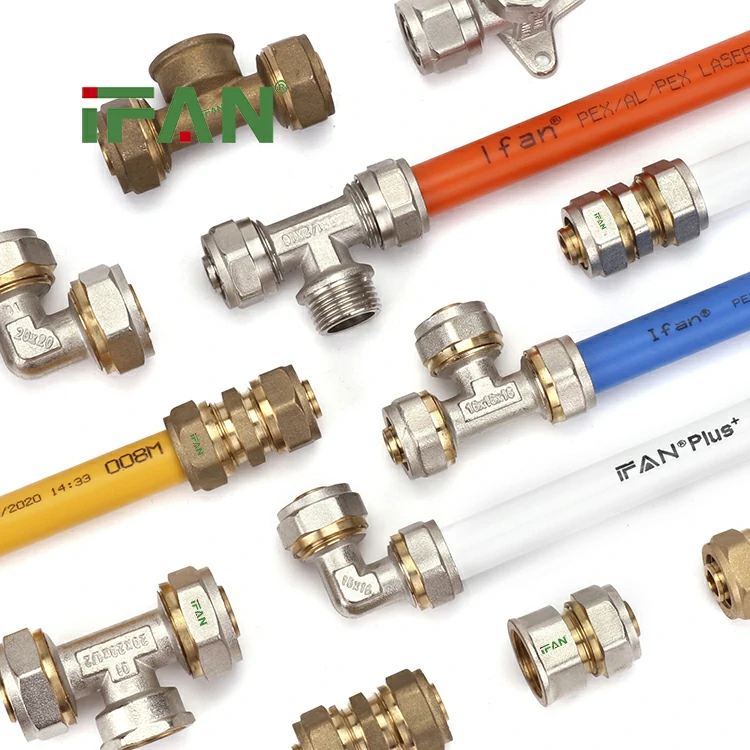
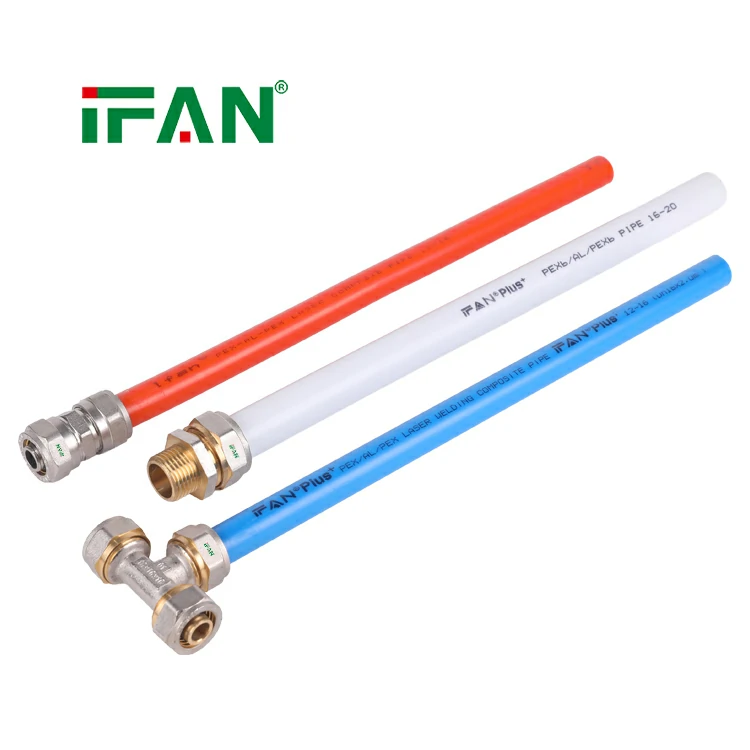
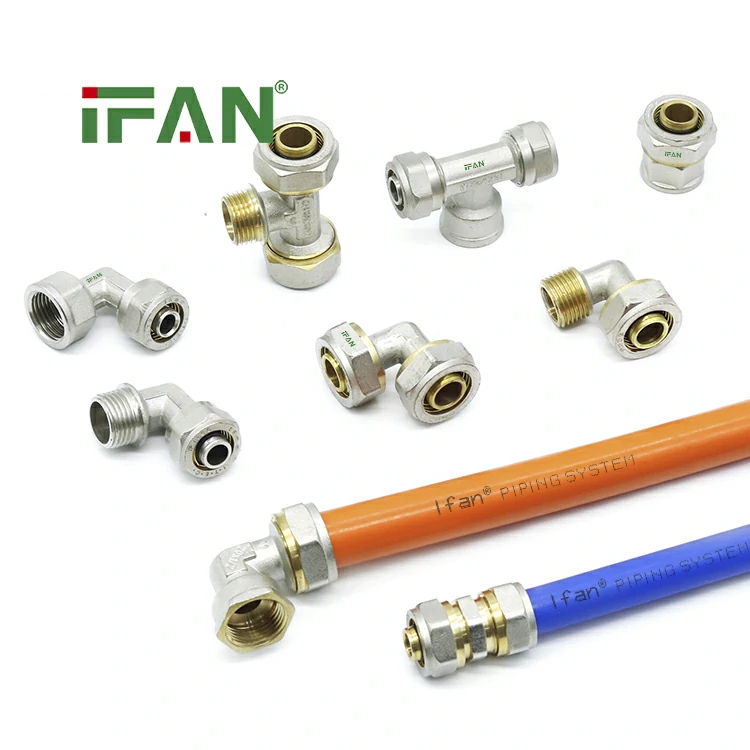
When it comes to plumbing installations, homeowners and contractors often debate between PEX (with press fittings) and traditional copper piping. Both have distinct advantages, but modern PEX press fittings are revolutionizing the industry with faster, more cost-effective installations.
This guide compares PEX vs. copper, focusing on installation ease, cost, durability, and performance, to help you decide which is best for your next project.
Key Differences at a Glance
| Feature | PEX with Press Fittings | Copper Piping |
|---|---|---|
| Installation | Fast, no soldering needed | Requires soldering |
| Cost | Lower material & labor | Higher material cost |
| Freeze Resistance | Expands without bursting | Can burst if frozen |
| Corrosion | Immune to rust/scale | Prone to corrosion |
| Lifespan | 50+ years | 70+ years |
| DIY-Friendly? | Yes (with press tools) | No (requires soldering skills) |
Why PEX with Press Fittings Is Gaining Popularity
1. Faster, Easier Installation
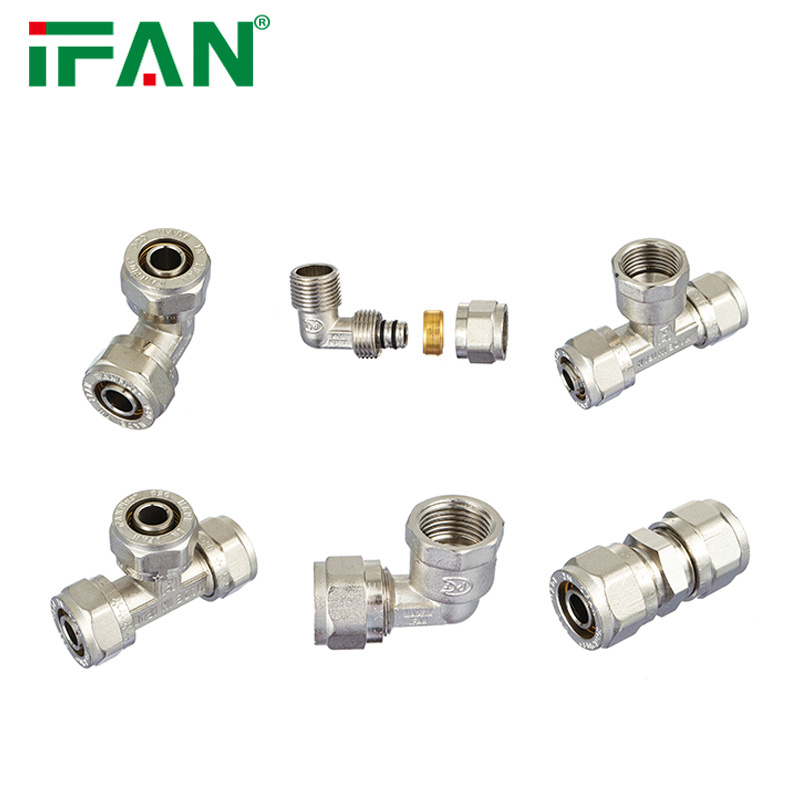
- No soldering required – Press tools create instant, leak-proof seals.
- Flexible tubing – Easier to maneuver around obstacles than rigid copper.
- Fewer fittings needed – PEX can bend around corners, reducing joints.
2. Lower Overall Cost
- Material savings – PEX tubing costs ~1/3 the price of copper.
- Labor savings – Press fittings install 3x faster than soldering copper.
- No flame permits needed – Unlike soldering, press tools don’t require fire safety precautions.
3. Superior Freeze Resistance
- PEX expands slightly when frozen, reducing burst risk.
- Copper bursts easily in freezing temps, leading to costly repairs.
4. Corrosion & Scale Resistance
- PEX won’t corrode from acidic water or mineral buildup.
- Copper degrades over time, especially with hard water.
When Copper Piping Is Still the Better Choice
1. Extreme Heat Applications
- Copper handles higher temps (up to 400°F) vs. PEX (max 200°F).
- Best for: Water heaters, steam lines.
2. Outdoor/Exposed Installations
- Copper resists UV rays (PEX degrades in sunlight).
- Best for: Roof plumbing, exterior lines.
3. High-Pressure Commercial Systems
- Copper has higher burst strength (1,000+ psi vs. PEX’s ~600 psi).
- Best for: High-rise buildings, industrial plumbing.
PEX Press Fittings vs. Traditional Crimp/Clamp Methods
| Feature | PEX Press Fittings | PEX Crimp/Clamp |
|---|---|---|
| Install Speed | Fastest (seconds per joint) | Slower (manual tightening) |
| Tool Cost | Higher (~$300+) | Lower (~$50) |
| Reliability | Most consistent seals | Risk of under/over-tightening |
| Best For | Pros & large projects | DIYers & small repairs |
Verdict: Press fittings are worth the investment for frequent use.
5 FAQs About PEX vs. Copper
1. Can I mix PEX and copper in my plumbing?
Yes! Use brass transition fittings to connect them safely.
2. Does PEX leach chemicals into water?
Modern PEX-B/C is NSF/ANSI 61-certified for drinking water safety.
3. Which lasts longer: PEX or copper?
Copper (70+ years) technically outlasts PEX (50+ years), but PEX won’t corrode.
4. Do rodents chew PEX pipes?
Rarely, but use metal shields in pest-prone areas.
5. Can I install PEX press fittings myself?
Yes, if you rent/buy a press tool – it’s easier than soldering copper.
Final Recommendation
- Choose PEX with press fittings if:
✔ You want DIY-friendly installation
✔ You live in a freeze-prone area
✔ You need cost-effective plumbing - Choose copper if:
✔ You need extreme heat resistance
✔ Pipes will be exposed to sunlight
✔ You’re working on a commercial high-pressure system
The Future of Plumbing Is Flexible
While copper remains the gold standard for certain applications, PEX press fittings offer unbeatable speed, savings, and simplicity for most residential projects.
Which will you choose for your next install? Share your thoughts below!