Introduction: A Global Spotlight on PPR Fittings
The world of plumbing and piping systems is evolving rapidly, and at the heart of this transformation lies the increasing demand for PPR fittings. With the commencement of two major international trade shows this season, PPR fittings are taking center stage. These twin events offer a platform for manufacturers, suppliers, and industry leaders to showcase innovations, discuss trends, and forge new partnerships in the global market.
As the demand for sustainable, durable, and cost-effective piping solutions grows, PPR (Polypropylene Random Copolymer) fittings continue to stand out. These fittings are crucial in residential, commercial, and industrial plumbing systems thanks to their corrosion resistance, high-temperature tolerance, and long lifespan.
What Are PPR Fittings?
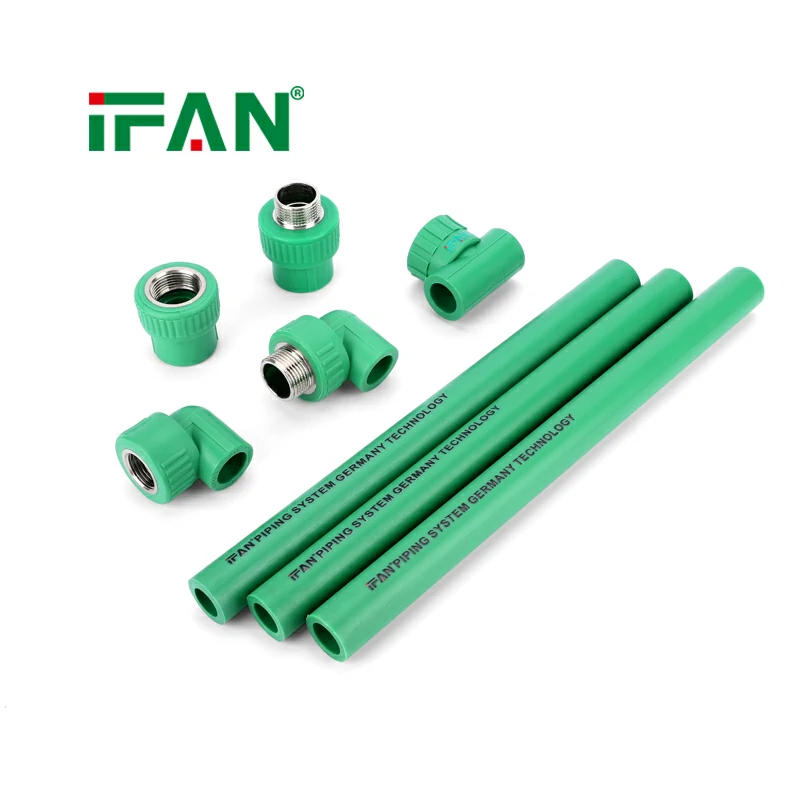
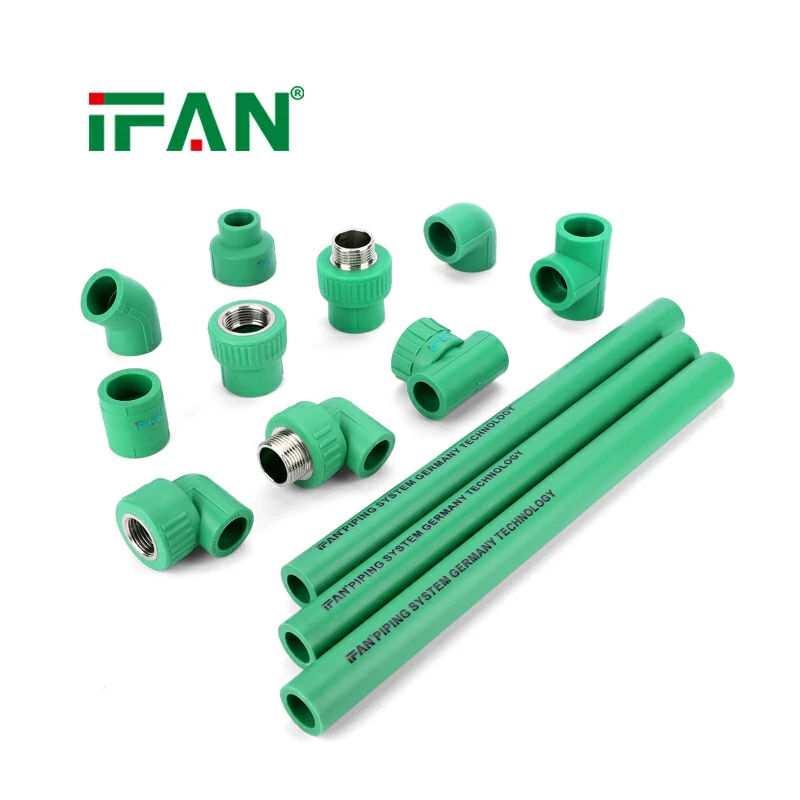
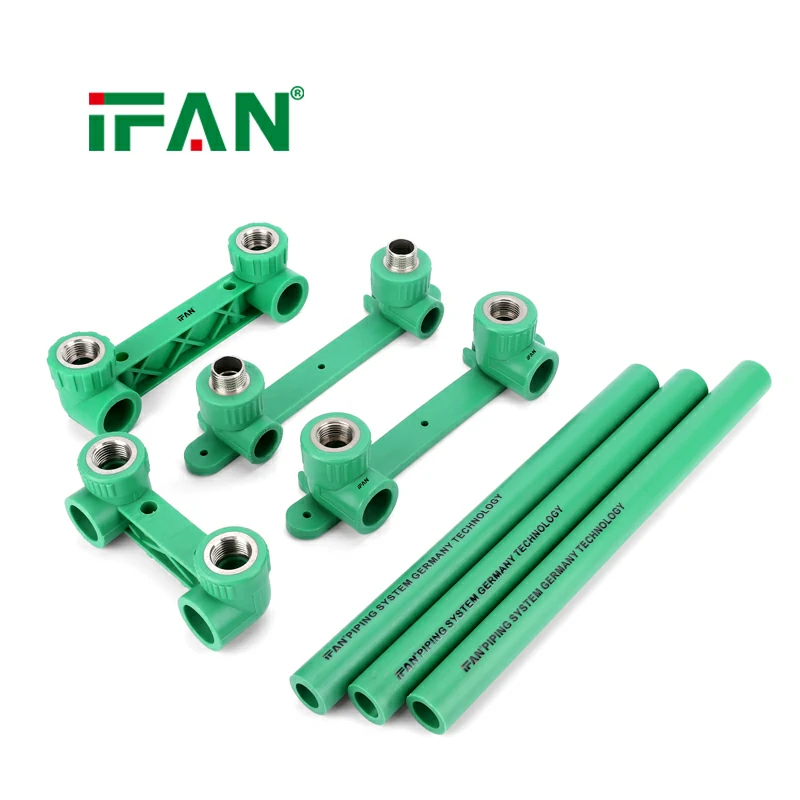
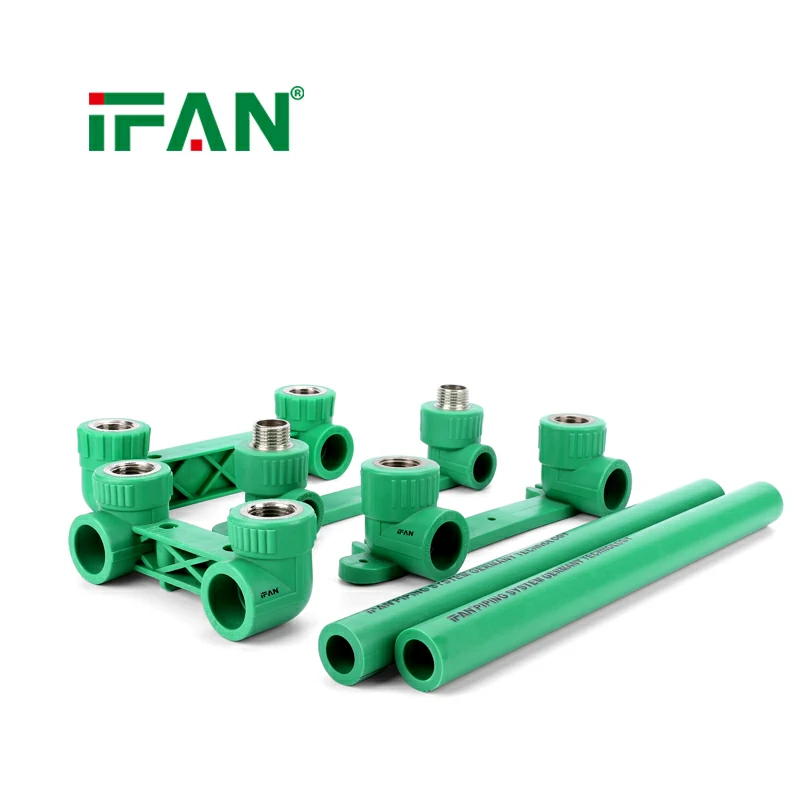
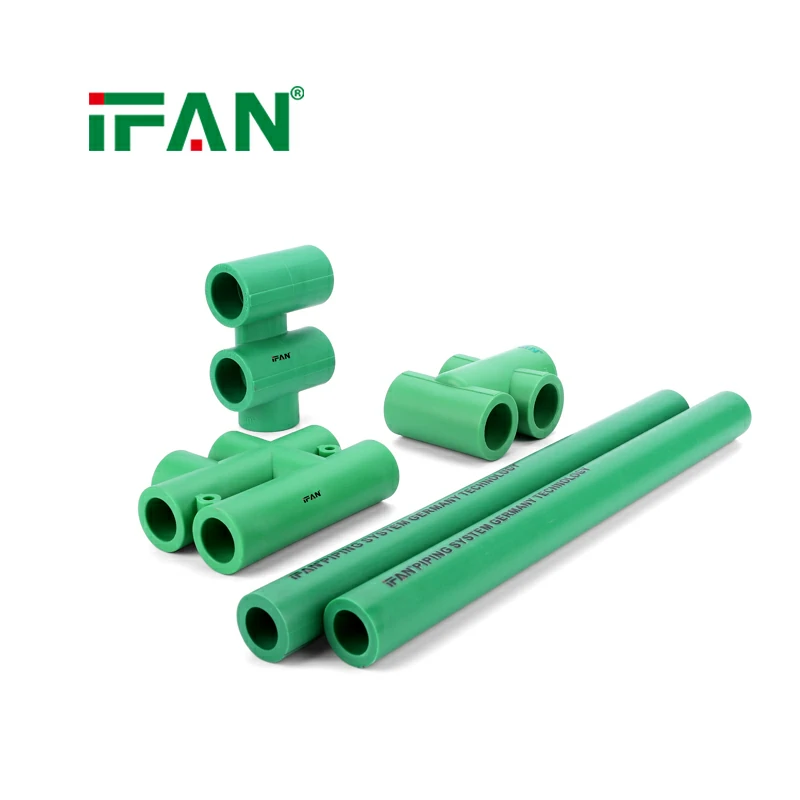
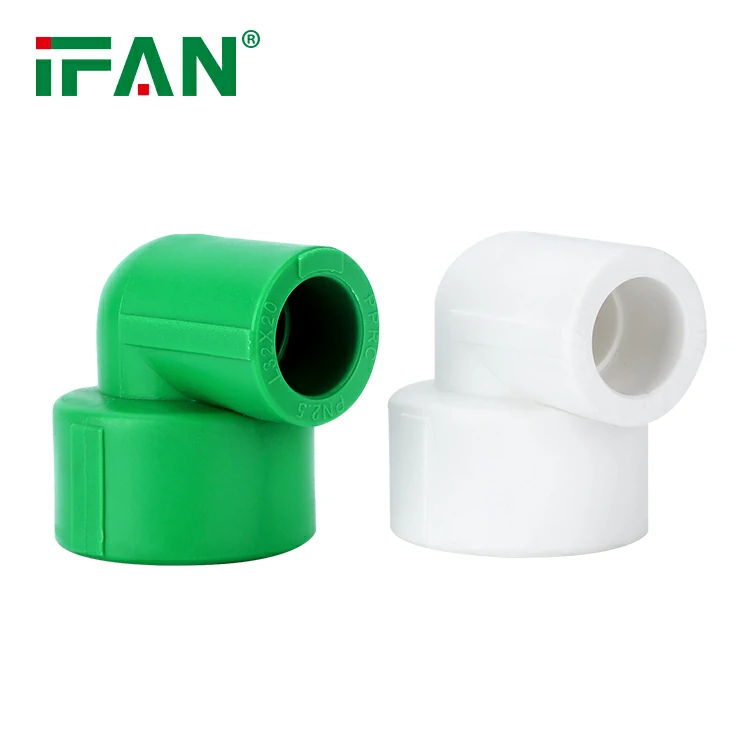
PPR fittings are specialized components used in plumbing systems to connect pipes, change the direction of water flow, and ensure leak-proof joints. Common types include elbows, couplings, reducers, tees, end caps, and valves. Made from polypropylene random copolymer, these fittings are known for their:
- High resistance to chemicals and pressure
- Long-term durability (50 years or more)
- Eco-friendly and non-toxic properties
- Ease of installation through heat fusion welding
In both domestic and international markets, PPR fittings are becoming the go-to solution for water supply systems, HVAC installations, and even compressed air systems.
Twin International Trade Shows Put Focus on Innovation
The Twin International Trade Shows – hosted in Dubai and Frankfurt this year – have opened their doors to thousands of participants from over 60 countries. For the plumbing and piping industry, these exhibitions mark a significant turning point, especially for those involved in the PPR fittings segment.
Key Highlights from the Events:
- Product Demonstrations: Live demonstrations of next-gen PPR fittings with built-in smart sensors for leak detection and temperature monitoring.
- Sustainable Solutions: Introduction of eco-friendly PPR fittings made from recycled materials without compromising durability.
- Networking Opportunities: A unique chance for businesses to connect with international suppliers, discuss distribution channels, and expand market reach.
- Technical Seminars: Industry experts delivering lectures on the future of PPR technology and its role in sustainable construction.
These shows are not only product exhibitions—they are also educational hubs and business accelerators for anyone involved in PPR fittings manufacturing or distribution.
Why PPR Fittings Are Gaining Global Attention
As construction norms shift towards sustainability and efficiency, PPR fittings offer a reliable solution. Here’s why:
- Durability and Performance: PPR systems can handle both hot and cold water applications without degradation.
- Cost-Effectiveness: Lower long-term maintenance and material costs make PPR fittings an economical choice.
- Eco-Friendly Manufacturing: Many brands now offer fittings made from recyclable PPR material.
- Compatibility: Suitable for integration with modern plumbing tools and smart home systems.
The trade shows are serving as a launchpad for the next phase of adoption, especially in Asia, Africa, and South America, where infrastructure development is booming.
Leading Brands Showcasing PPR Fittings
Multiple leading companies such as Wavin, Aquatherm, Nupi Industrie Italiane, and Bänninger Kunststoff-Produkte GmbH are displaying their latest lines of PPR fittings. They’ve introduced features like:
- Reinforced pressure resistance
- Color-coded fittings for easy identification
- Faster installation designs
- Smart PPR fittings with NFC tags for tracking
These innovations demonstrate the rapid evolution of PPR technology and its integration into smart construction.
Future Trends in PPR Fittings
Looking ahead, PPR fittings are likely to see several trends that will redefine the industry:
- Smart plumbing systems with IoT integration
- Green building certifications driving demand for recyclable fittings
- Automation in installation, reducing labor time
- Hybrid piping systems that combine PPR with metal or PE components for versatile applications
As the twin trade shows continue, the excitement around PPR fittings only grows. It’s clear that this market segment is no longer niche—it’s becoming a cornerstone of modern plumbing infrastructure.
Conclusion
The twin international trade shows have made it clear: PPR fittings are not just a trend—they’re a necessity for the future of plumbing systems. With global attention focused on sustainable infrastructure, efficient water management, and smart buildings, PPR fittings are positioned to play a vital role in shaping the plumbing industry of tomorrow. Whether you’re a supplier, installer, or developer, now is the time to understand and invest in PPR solutions.
Frequently Asked Questions (FAQ)
1. What does PPR stand for in PPR fittings?
PPR stands for Polypropylene Random Copolymer. It’s a type of plastic known for its durability, resistance to temperature, and suitability for water piping systems.
2. What are the main advantages of PPR fittings over traditional metal fittings?
PPR fittings are corrosion-resistant, lightweight, easier to install, and have a longer lifespan compared to metal fittings. They also have better insulation properties.
3. Can PPR fittings be used for both hot and cold water?
Yes, PPR fittings are designed to handle both hot and cold water applications, making them versatile for residential and commercial plumbing.
4. Are PPR fittings environmentally friendly?
Yes, PPR fittings are non-toxic, recyclable, and often manufactured using eco-friendly processes. Many manufacturers are now emphasizing green production practices.
5. How long do PPR fittings typically last?
When properly installed, PPR fittings can last more than 50 years under normal operating conditions.