Introduction
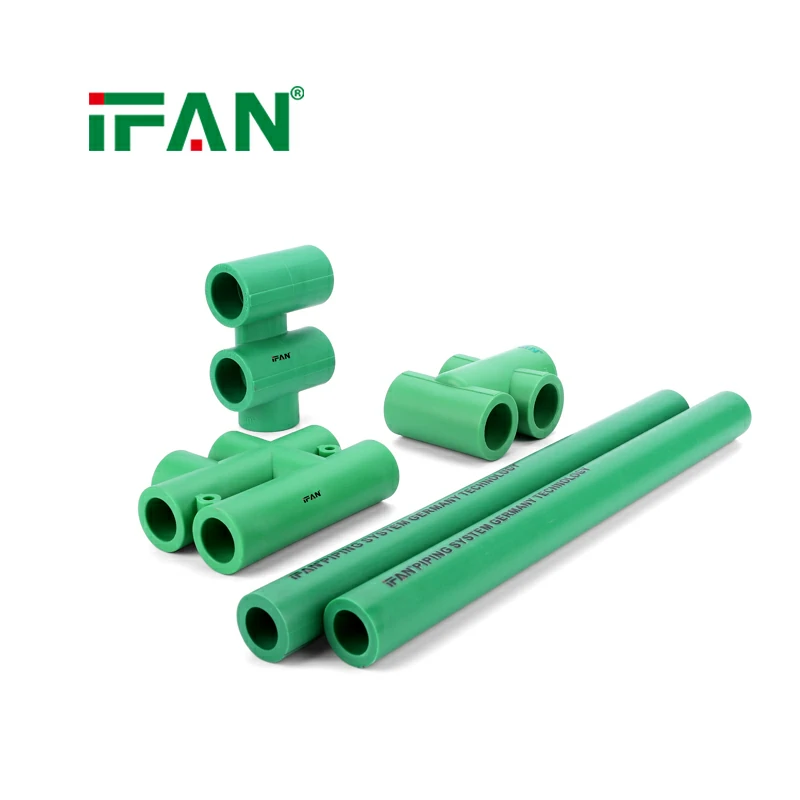
In the world of modern plumbing, the choice of materials dictates the system’s longevity, safety, and efficiency. Among the various options available, Polypropylene Random Copolymer (PPR) has emerged as a gold standard. However, the true strength of a PPR system lies not just in the pipes but in the comprehensive PPR pipe fitting solutions that bring it all together. These PPR fittings—the elbows, tees, couplings, and valves—are the critical components that ensure a seamless, reliable, and long-lasting network. This ultimate guide explores everything you need to know about PPR pipe fitting solutions, from their fundamental advantages to the technical details of installation, proving why they are the intelligent choice for residential, commercial, and industrial applications.
Why Choose PPR Fittings? The Core Advantages
Selecting PPR fittings is a decision for long-term performance and peace of mind. Their popularity is driven by a host of compelling benefits that outperform traditional materials like metal or PVC.
- Exceptional Durability: PPR fittings are highly resistant to chemical corrosion and scale build-up. They do not rust or corrode, unlike metal pipes, ensuring water quality remains pure and the system’s integrity lasts for over 50 years.
- Leak-Proof Joints: The unique heat-fusion welding technique used to join PPR fittings to pipes creates a monolithic, seamless connection. The joint is as strong as the pipe itself, virtually eliminating the risk of leaks that are common with threaded or glued fittings.
- High-Temperature Resistance: These fittings are ideal for both cold and hot-water systems, capable of handling continuous temperatures up to 70°C (158°F) and short-term peaks of 95°C (203°F), making them perfect for central heating and domestic hot water lines.
- Hygienic and Safe: Made from non-toxic, inert materials, PPR fittings ensure no harmful substances leach into the water supply. The smooth inner surface also prevents bacterial growth and mineral deposits.
- Cost-Effective: While the initial investment might be comparable to other materials, the long-term savings are significant due to minimal maintenance, repair, and replacement costs. The quick installation also reduces labor expenses.
A Comprehensive Range of PPR Fitting Solutions
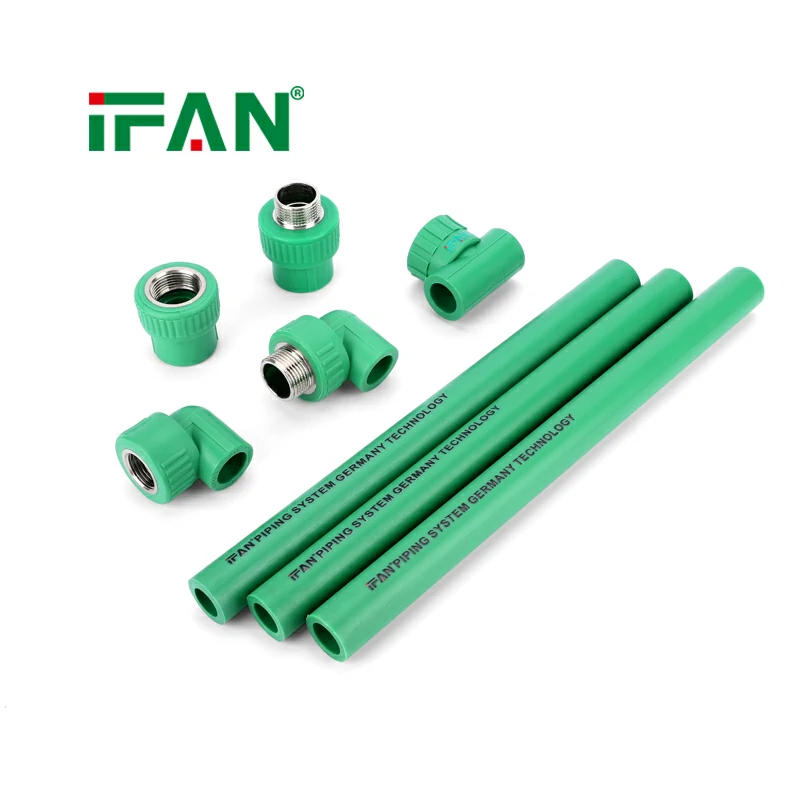
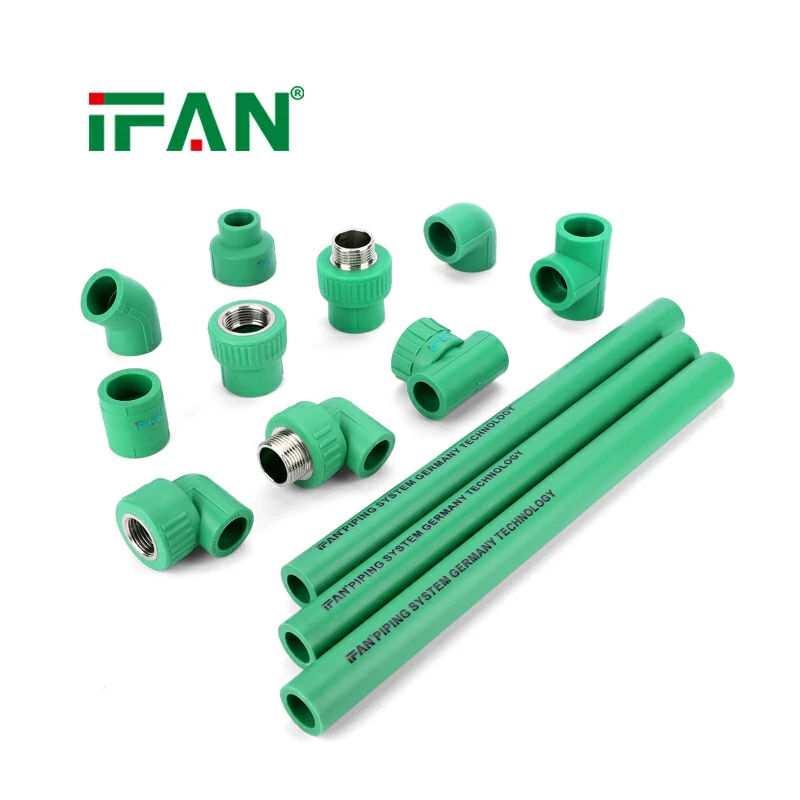
A complete PPR pipe fitting solution requires a full suite of components to handle any plumbing configuration. The range of available PPR fittings is extensive and designed for every possible need:
- Couplings and Elbows: For straight connections and directional changes (90° and 45°).
- Tees and Reducers: For branching lines off the main supply and connecting pipes of different diameters.
- Valves: Including ball valves and stop valves made entirely from PPR or with brass internals for precise flow control.
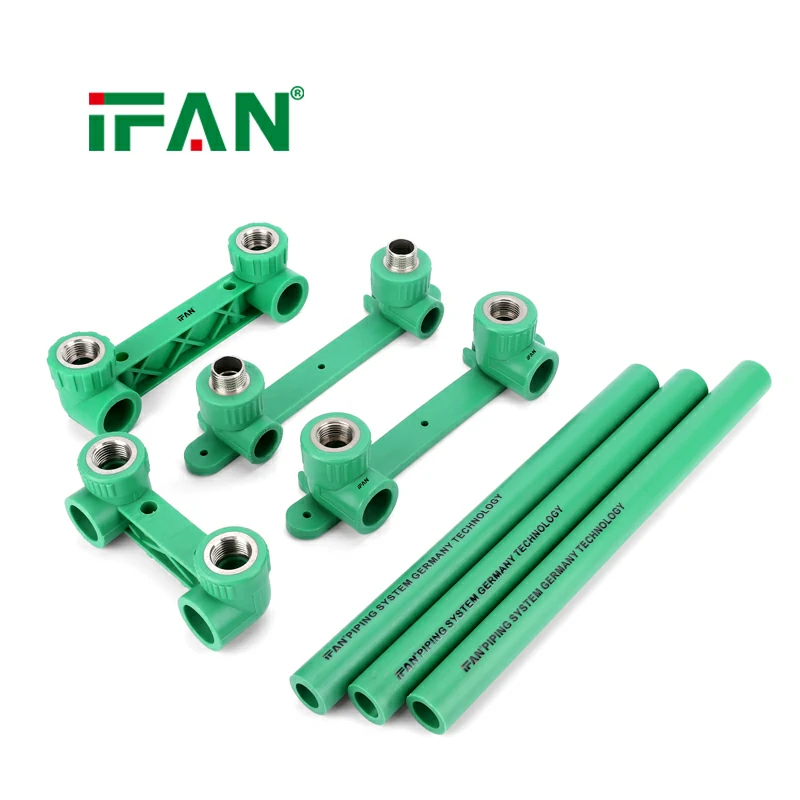
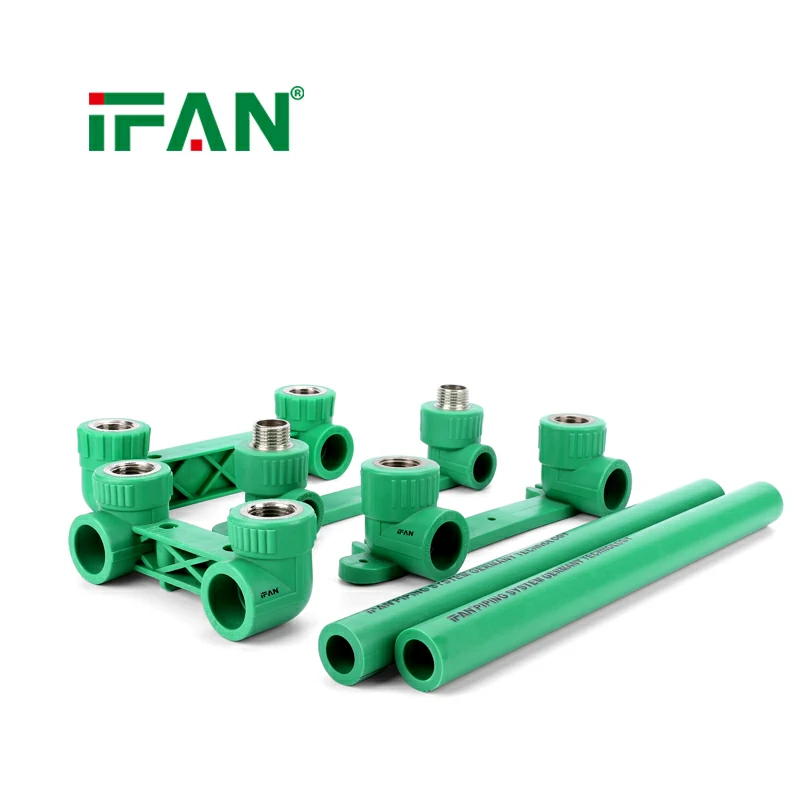
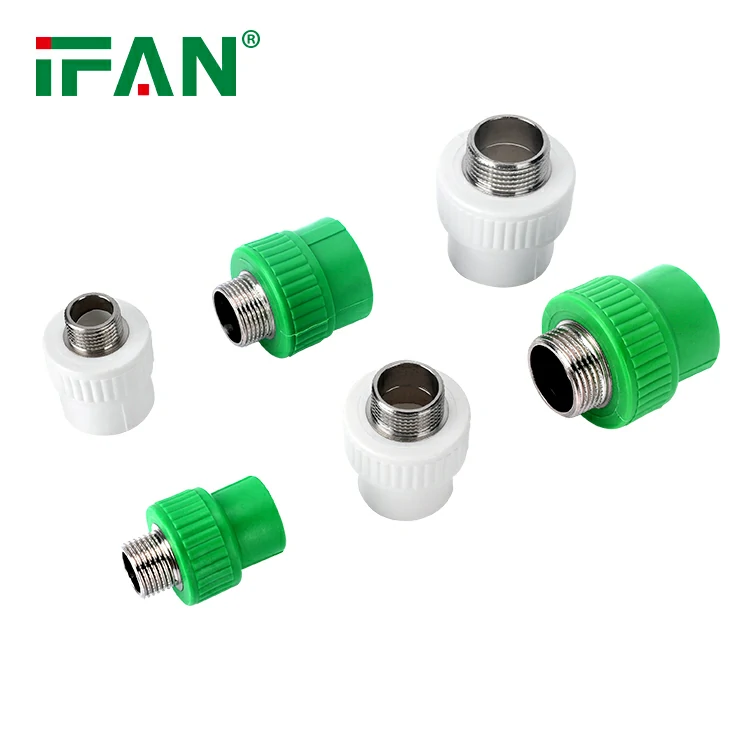
- Fittings for Appliances: Such as union fittings and threaded adapters (with male or female threads) for connecting to water heaters, taps, and other fixtures.
- Wall Mounts and Clamps: To securely fasten the piping system to walls and structures.
The Installation Process: Achieving a Perfect Seal
The superiority of PPR pipe fitting solutions is realized through a correct installation process. The heat-fusion technique is straightforward but requires precision.
- Cutting: Use a dedicated PPR pipe cutter to ensure a clean, square cut.
- Preparation: Clean the pipe end and fitting socket, and mark the insertion depth with a pencil.
- Heating: Use a thermostatically controlled welding machine with the correct-sized heating dies. Simultaneously heat the pipe end and the fitting socket.
- Connection: Quickly remove the parts from the heater, insert the pipe straight into the fitting up to the depth mark, and hold it firmly without twisting.
- Cooling: Allow the joint to cool naturally. This process creates a permanent, homogeneous bond that is incredibly strong.
This method ensures that the entire system, including all PPR fittings, becomes a single, integrated unit.
Applications: Where PPR Fitting Solutions Excel
The versatility of PPR fittings makes them suitable for a wide array of applications:
- Residential Plumbing: The primary choice for entire house hot and cold-water distribution systems in apartments and villas.
- Commercial Buildings: Ideal for hotels, hospitals, and office buildings where reliable and hygienic water supply is critical.
- Industrial Uses: For conveying certain chemicals, compressed air, and water for processes.
- HVAC Systems: Used in chilled water pipelines for air conditioning systems.
- Radiant Floor Heating: Their corrosion resistance makes them excellent for underfloor heating networks.
Selecting the Right PPR Fitting Solutions Provider
When choosing a supplier for your PPR fittings, consider the following:
- Quality Certifications: Ensure the products meet international standards like ISO 9001 and have relevant potable water certifications.
- Complete Range: The supplier should offer a comprehensive range of PPR fittings to avoid compatibility issues.
- Technical Support: A good provider offers technical guidance on installation and system design.
- Reputation: Choose a established brand known for consistency and reliability.
Conclusion
Investing in high-quality PPR pipe fitting solutions is an investment in the future of any building’s infrastructure. The combination of durability, safety, and ease of installation makes PPR fittings an unparalleled choice for modern plumbing. By understanding their advantages, the installation process, and the wide range of applications, homeowners, engineers, and contractors can make an informed decision that guarantees a efficient, leak-free, and long-lasting water supply system for decades to come. When it comes to reliable plumbing, the solution is clearly built upon a foundation of quality PPR fittings.
Frequently Asked Questions (FAQ)
1. What is the main difference between PPR and PVC fittings?
The key differences are temperature resistance and jointing. PPR can handle hot water (up to 95°C), while PVC is typically for cold water only. PPR uses heat fusion for a stronger, leak-proof joint, whereas PVC uses solvent cement.
2. Are PPR fittings suitable for drinking water?
Absolutely. High-quality PPR fittings are made from food-grade, non-toxic materials and are certified for potable water applications. Their smooth interior also helps maintain water purity.
3. How long does a PPR system last?
A professionally installed PPR plumbing system using quality PPR fittings has an expected service life of over 50 years under normal operating conditions, significantly outperforming metal systems.
4. Can I connect PPR fittings to existing metal pipes?
Yes, this is possible using special transition fittings. These PPR fittings have a PPR socket on one end for fusion welding and a threaded metal connection (brass or stainless steel) on the other end to connect to the existing metal pipe.
5. What tools do I need to install PPR fittings?
The essential tool is a socket fusion welding machine. You will also need a dedicated PPR pipe cutter, a measuring tape, and a marker. For a professional result, using the correct tools is non-negotiable.