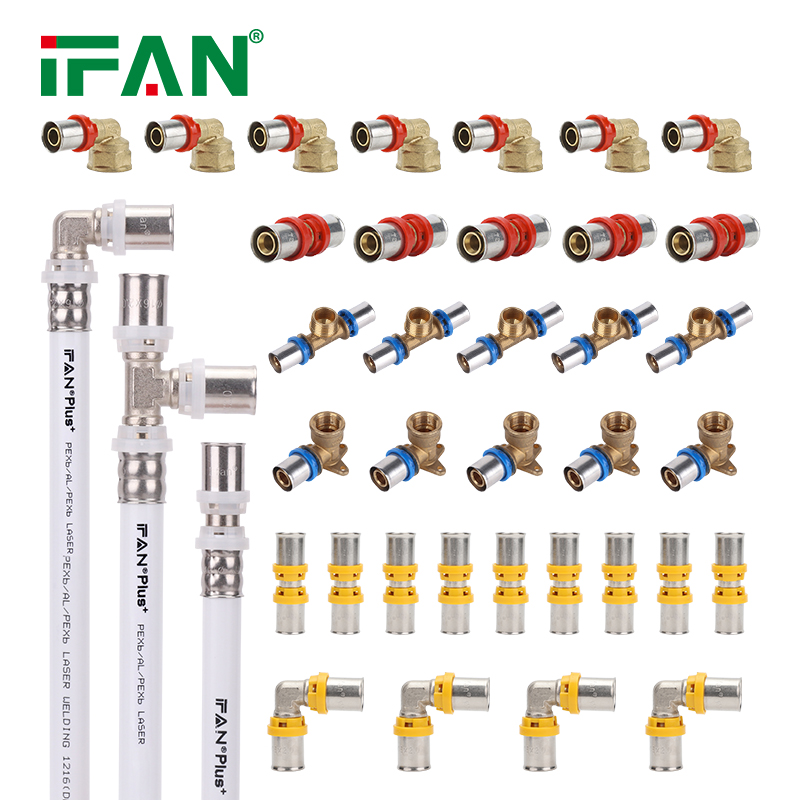
PERT Multilayer Composite Pipe is a hybrid pipeline solution that combines the advantages of PERT (Polyethylene of Raised Temperature Resistance) plastic with a metallic layer, widely used in heating systems, hot water supply, and industrial fluid transportation. Below is a detailed introduction covering its structure, performance benefits, applications, and installation/maintenance.
1. Structural Characteristics
PERT multilayer composite pipes typically consist of three layers:
- Inner & Outer Layers: Made of PERT material, offering excellent heat resistance, flexibility, and chemical corrosion resistance.
- Middle Layer: A metallic layer (e.g., aluminum) bonded to the PERT layers via specialized processes (e.g., laser welding), ensuring tight integration.
- Adhesive Layer: Specialized adhesive between the metallic and PERT layers prevents delamination.
Typical Structure Example:
- PERT/AL/PERT: The inner PERT layer transports fluids, the aluminum layer provides mechanical strength and oxygen barrier properties, and the outer PERT layer protects the aluminum and enhances weather resistance.
2. Performance Advantages
- High Temperature & Pressure Resistance
- The aluminum layer enhances compressive strength, allowing the pipe to withstand higher pressures (e.g., design pressure up to 10 bar) and temperatures (e.g., long-term service temperature up to 95°C), making it ideal for high-temperature radiator systems.
- Superior Oxygen Barrier
- The aluminum layer acts as a perfect oxygen barrier, preventing oxygen permeation, scaling, and corrosion of metal components (e.g., boilers, manifolds), extending system lifespan.
- Low Linear Expansion Coefficient
- The aluminum layer reduces the thermal expansion coefficient (e.g., as low as 0.026 mm/(m·K)), minimizing deformation caused by temperature changes, suitable for systems with large temperature fluctuations or instant hot water demand.
- Flexible & Easy to Install
- The PERT layers retain plastic pipe flexibility, enabling direct bending (small bending radius) and reducing the need for fittings, lowering installation costs and time.
- Chemical Corrosion Resistance
- PERT material resists common chemicals (e.g., acids, alkalis), making it suitable for various industrial fluid transport scenarios.
- Eco-Friendly & Recyclable
- PERT is recyclable, aligning with sustainability requirements.
3. Applications
- Heating Systems
- Radiator Heating: The aluminum layer’s high mechanical strength and low expansion make it ideal for high-temperature radiator systems.
- Underfloor Heating: PERT’s excellent low-temperature performance (brittle temperature as low as -70°C) suits low-temperature underfloor heating.
- Hot Water Supply
- Domestic Hot Water Pipes: The oxygen barrier prevents corrosion of metal fittings caused by dissolved oxygen in hot water, ensuring water quality safety.
- Industrial Fluid Transport
- Suitable for transporting hot water, chemical solutions, etc., especially in scenarios demanding high pipe strength and corrosion resistance.
4. Installation & Maintenance
- Connection Methods
- Thermal Fusion Welding: Melts the PERT layers using a fusion machine for a leak-proof joint.
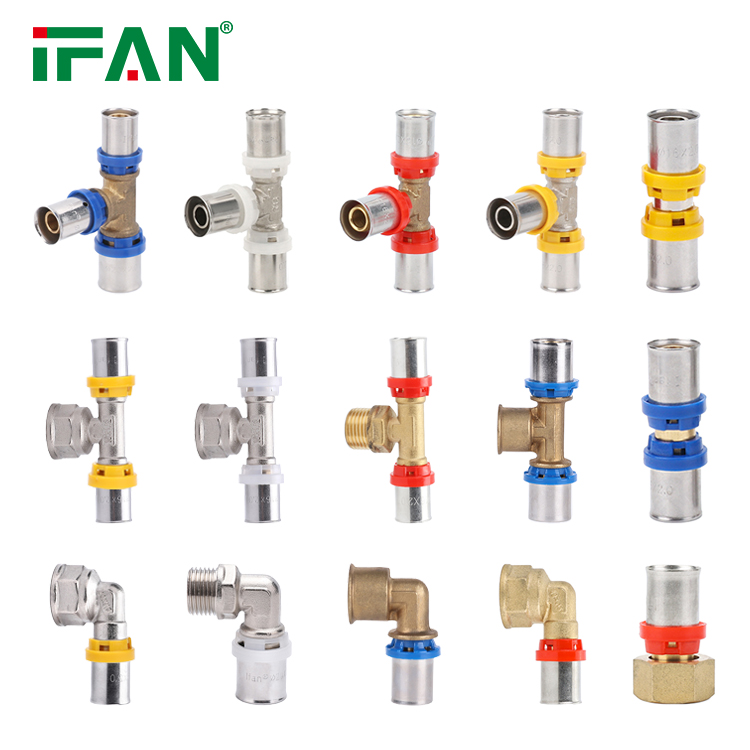
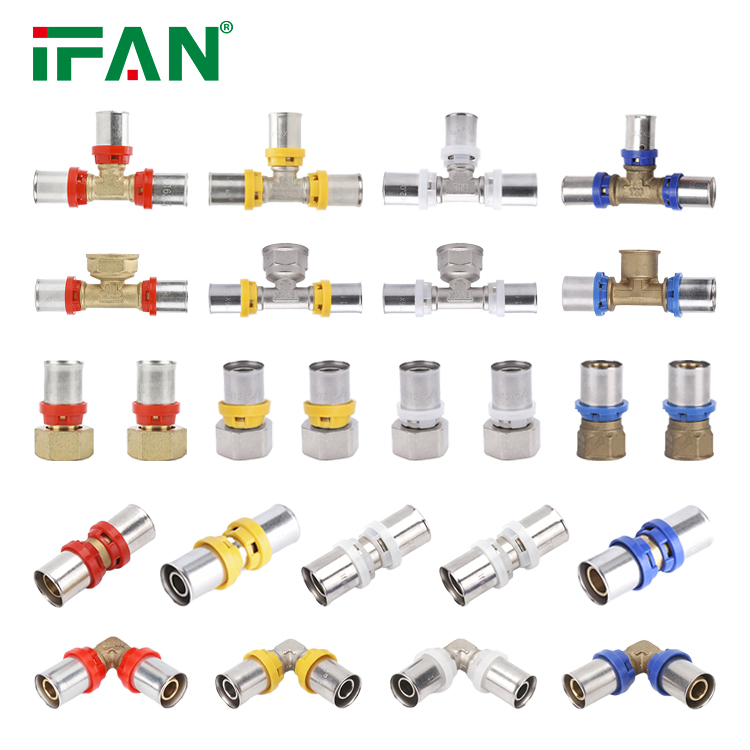
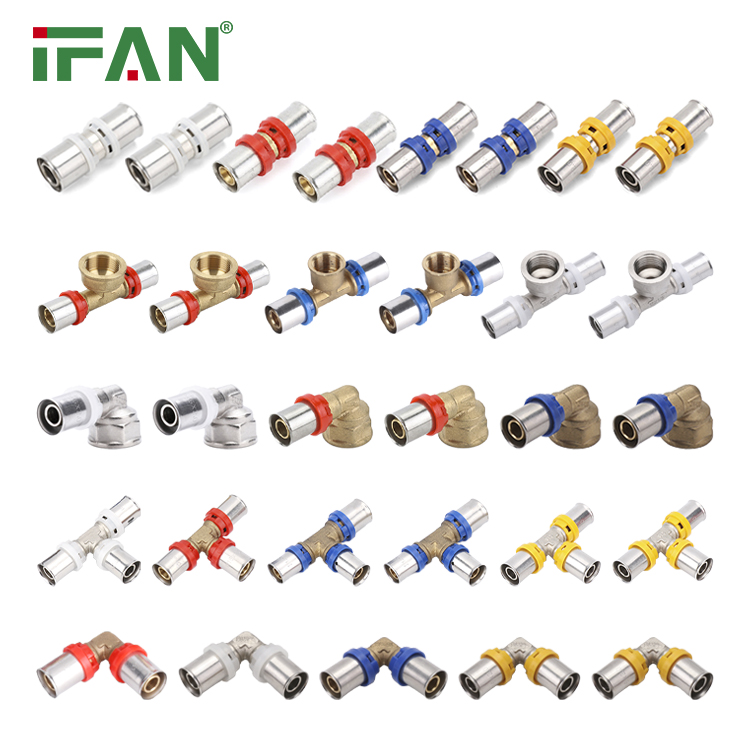
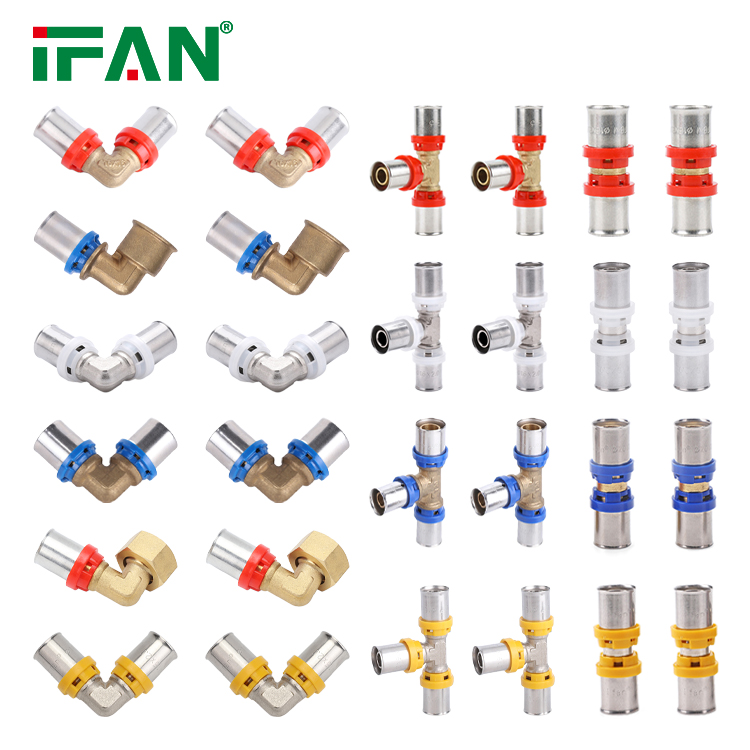
- Mechanical Connection: Uses specialized press fittings for quick and easy installation on-site.
- Installation Precautions
- Avoid Scratching the Aluminum Layer: Protect the pipe surface during handling and installation to prevent aluminum exposure, which could degrade oxygen barrier performance.
- Control Bending Radius: Follow minimum bending radius requirements (e.g., 5× pipe diameter) to avoid damage.
- Maintenance
- Regular Joint Inspections: Ensure thermal fusion or mechanical joints remain tight and leak-free.
- Avoid Prolonged High-Temperature Exposure: Extended exposure to high temperatures may accelerate PERT material aging.
5. Typical Product Examples
- turatec PE-RT Aluminum-Plastic Multilayer Composite Pipe
- Specifications: 16×2.0mm, 20×2.0mm, 26×3.0mm.
- Features: Ultra-low expansion coefficient (0.026 mm/(m·K)), suitable for large temperature-difference systems; flexible and easy to stretch, saving installation time.
- Wavin PE-RT Five-Layer Composite Pipe
- Structure: PERT-EVOH-PERT five-layer co-extrusion with an oxygen barrier layer (EVOH) in the middle.
- Advantages: Excellent oxygen barrier prevents scaling and metal corrosion; heat-resistant (max 95°C) and pressure-resistant (6 bar).
6. Market Trends
With rising demands for building energy efficiency and environmental protection, PERT multilayer composite pipes are becoming mainstream in heating and hot water systems due to their efficiency, durability, and eco-friendliness. Future advancements (e.g., higher-temperature-resistant PERT-II materials) will further expand their applications.