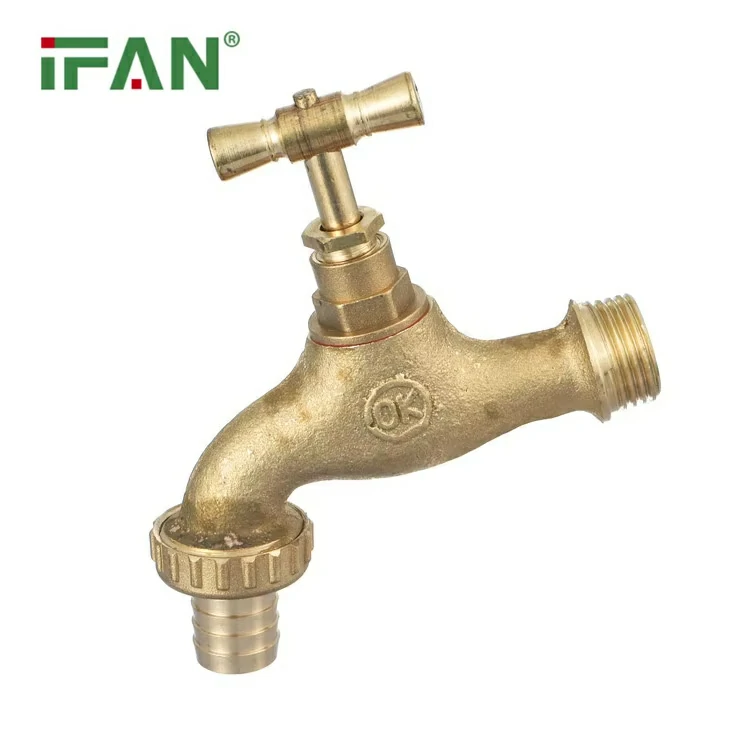
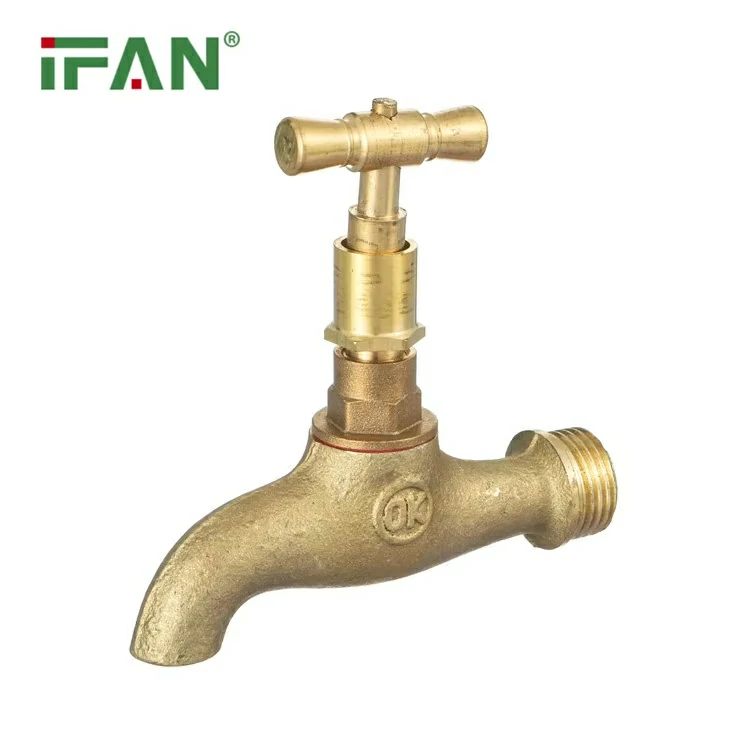
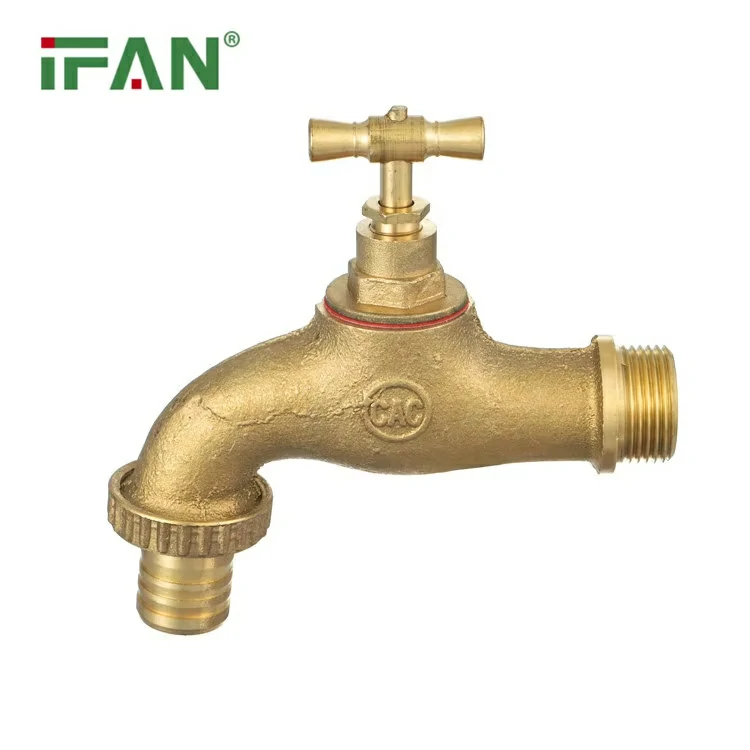
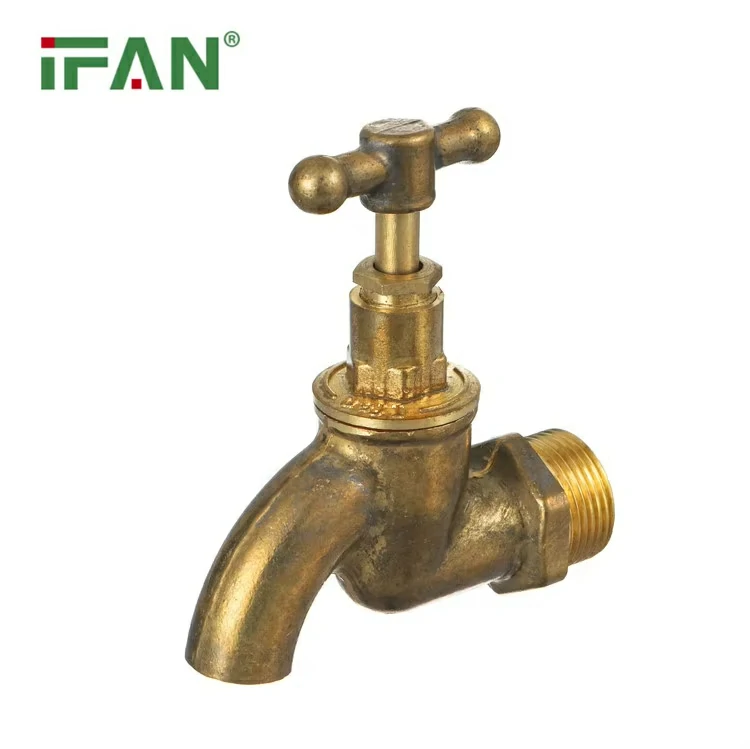
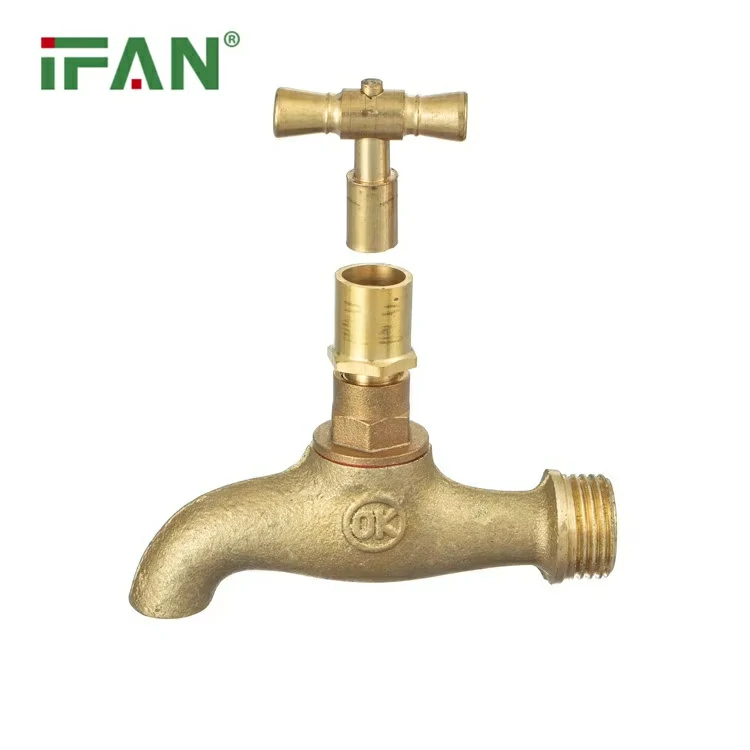
A brass check valve is a small but essential component in modern piping systems. It controls the direction of fluid flow and prevents unwanted backflow. You will find it in water supply lines, heating systems, and industrial pipelines. Understanding how it works helps improve system safety and efficiency.
What Is a Brass Check Valve
A brass check valve is a one-way valve made mainly from brass. It allows fluid to flow in one direction only. When flow reverses, the valve automatically closes. This prevents contamination, pressure loss, and equipment damage.
Brass is commonly used because it resists corrosion and handles medium pressure well. It is also durable and cost-effective for residential and commercial use.
Basic Working Principle
The operation of a brass check valve is simple but effective. It relies on pressure difference.
When fluid flows in the correct direction, pressure pushes the internal disc or ball open. This allows smooth passage through the valve.
When the flow stops or reverses, the pressure drops. A spring or gravity then forces the disc back into a closed position. This seals the passage and blocks reverse flow.
This automatic action requires no external control. That makes it reliable in many systems.
Main Internal Components
Although designs may vary, most brass check valves include similar parts:
- Valve body (brass housing)
- Disc, ball, or poppet
- Seat for sealing
- Spring (in spring-loaded models)
Each component plays a role in ensuring tight sealing and stable operation. The seat is especially important because it directly blocks reverse flow.
Types of Brass Check Valves
There are several common designs used in plumbing systems.
Swing Check Valve
This type uses a hinged disc. It opens when flow pushes it forward. It closes when flow reverses. It is simple and widely used in large pipelines.
Spring Check Valve
This version uses a spring to close the valve quickly. It reacts faster to flow changes. It is ideal for systems that need strong backflow prevention.
Ball Check Valve
A ball moves inside the valve body. Forward flow lifts the ball. Reverse flow pushes it back into the seat. It is common in small pipelines and pumps.
Where Brass Check Valves Are Used
Brass check valves are used in many systems. They are especially common in water-related applications.
- Household plumbing systems
- Water pumps and booster systems
- Heating and cooling systems
- Industrial fluid pipelines
- Irrigation systems
Their role is always the same: prevent reverse flow and protect equipment.
Advantages of Brass Material
Brass offers several practical benefits in valve construction.
First, it has strong corrosion resistance. This makes it suitable for water systems. Second, it provides good mechanical strength under pressure. Third, it is easy to machine, which improves precision.
Brass also performs well in both hot and cold water systems. This flexibility increases its application range.
Installation Considerations
Proper installation is important for performance.
Always install the valve in the correct flow direction. Most valves have an arrow marking on the body. If installed backward, the valve will block flow completely.
Keep the pipeline clean before installation. Dirt or debris can affect sealing performance. Also ensure the valve size matches the pipe diameter.
In vertical installations, check if the valve type supports upward or downward flow.
Common Problems and Maintenance
Although brass check valves are reliable, issues can still occur.
One common problem is debris blocking the disc. This may cause leakage or sticking. Regular cleaning helps prevent this.
Another issue is wear on the sealing seat. Over time, this can reduce tightness. In such cases, replacement may be necessary.
Spring fatigue can also occur in spring-loaded models. This reduces closing speed and efficiency.
Conclusion
A brass check valve is a simple yet critical device in fluid control systems. It works by allowing one-way flow and automatically stopping reverse movement. Its design relies on pressure differences and internal mechanical parts.
Because of its durability and corrosion resistance, brass remains a popular material choice. When installed correctly, a brass check valve improves system safety, prevents backflow, and extends equipment life.