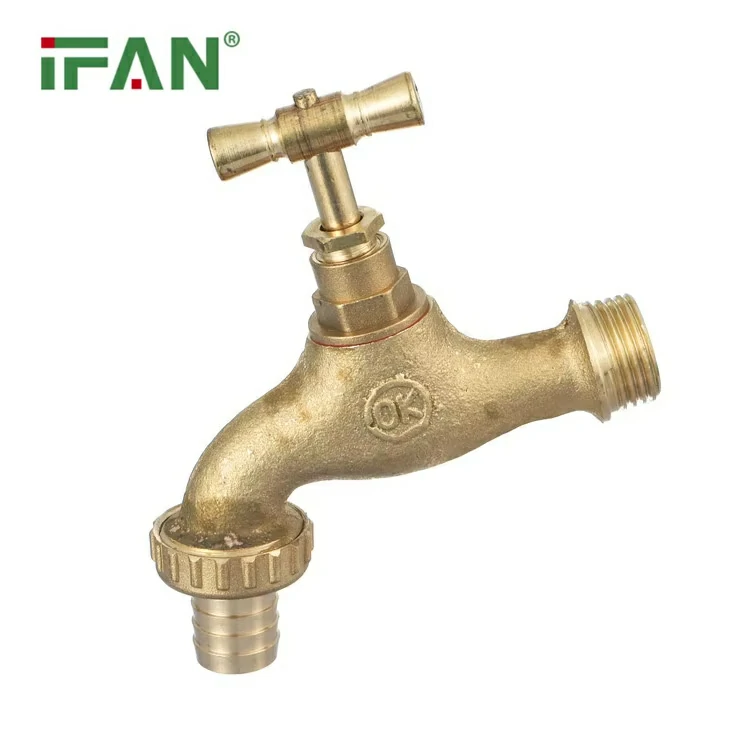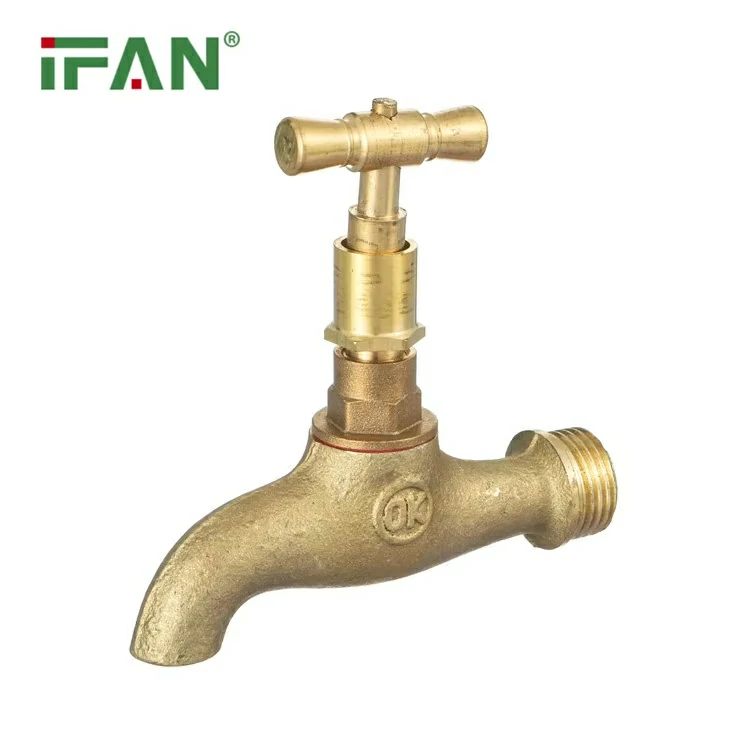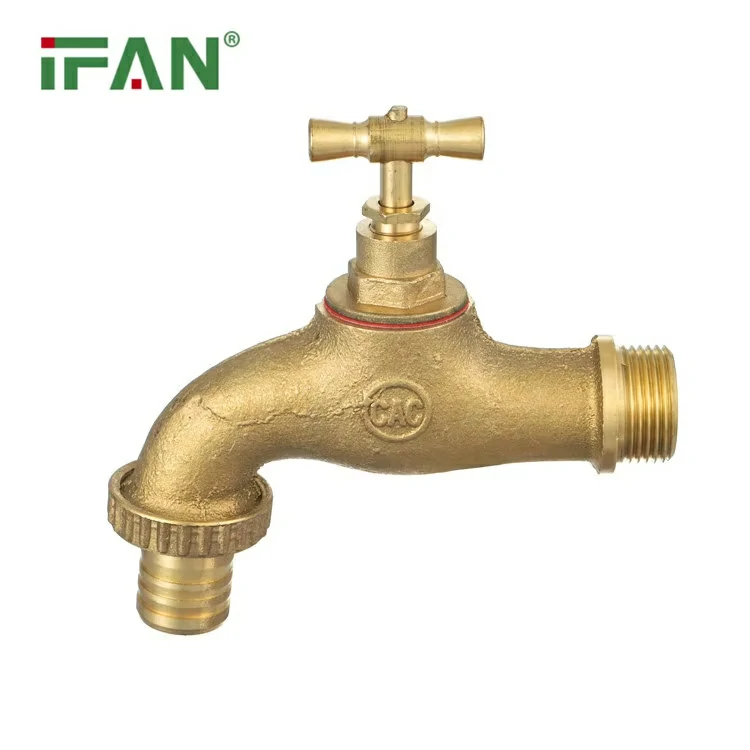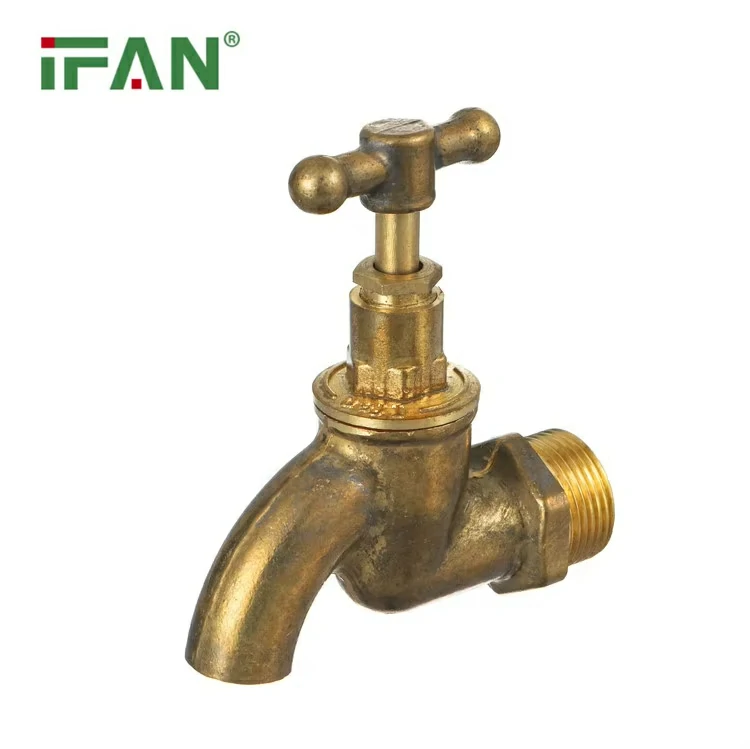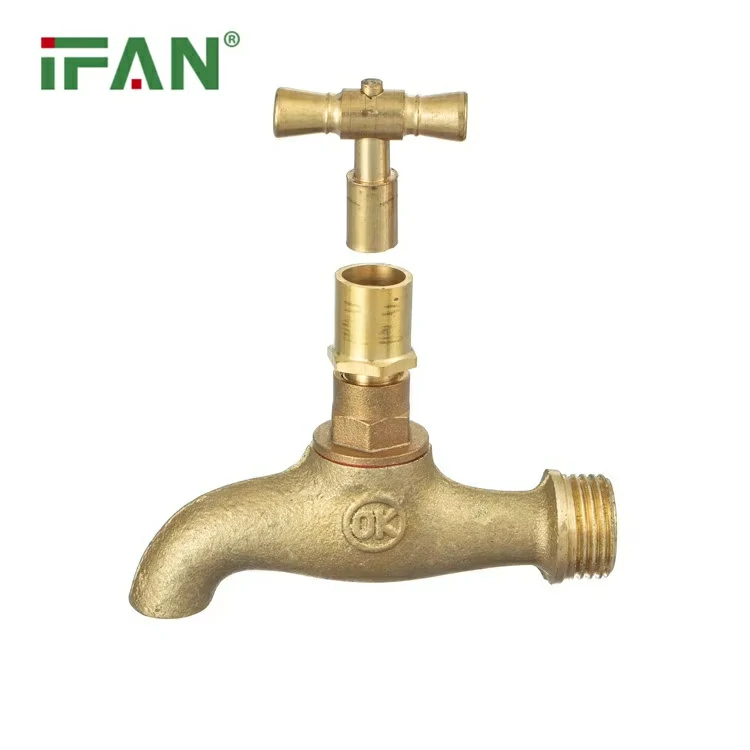
Clean and safe water systems depend heavily on the quality of internal plumbing components. One of the most important parts in a water distribution line is the gate valve. In recent years, the demand for lead free materials has increased sharply, especially in potable water applications. A lead free brass gate valve is now widely used in residential, commercial, and municipal systems.
This article explains how these valves work, why lead free brass matters, and where they are commonly applied.
What Is a Lead Free Brass Gate Valve?
A gate valve is a linear motion valve designed to fully open or fully close a flow path. It is not used for throttling. Instead, it provides either maximum flow or complete shutoff.
A lead free brass gate valve is made from brass that meets strict low-lead requirements. In potable water systems, the typical standard limits lead content to a very low percentage. This helps reduce contamination risk in drinking water.
Lead free brass is commonly produced using modified alloys such as DZR (dezincification resistant) brass. It improves safety and corrosion resistance.
Why Lead Free Matters in Potable Water Systems
Water safety regulations have become stricter over the past decade. Lead exposure, even at low levels, can create long-term health concerns. Because of this, plumbing codes in many countries now require lead free components in drinking water systems.
A lead free brass gate valve ensures that water flowing through the system does not pick up harmful metals. It is especially important in:
- Residential drinking water lines
- School and hospital plumbing systems
- Municipal water distribution networks
Using certified lead free valves helps meet compliance standards such as NSF/ANSI 61 and NSF/ANSI 372.
How a Brass Gate Valve Works
The structure of a gate valve is simple but effective. Inside the valve body, a flat or wedge-shaped gate moves up and down. When the valve handle is turned, the gate rises and opens the passage. Water flows with minimal resistance.
When the handle is turned in the opposite direction, the gate lowers and blocks the flow completely.
This design provides a straight-through flow path when open. It reduces pressure loss in the system. It also makes the valve suitable for main water lines.
Q=Av
The flow behavior can be simplified by the relationship above. Flow rate increases when the opening area is fully unobstructed.
Key Advantages of Lead Free Brass Gate Valves
Lead free brass gate valves are widely chosen because they combine safety with performance. Their main advantages include:
1. Safe for Drinking Water
They meet strict regulatory requirements for potable water use. This ensures safe delivery of drinking water without contamination risks.
2. High Durability
Brass is strong and resistant to mechanical stress. It performs well in long-term installations.
3. Corrosion Resistance
Lead free brass alloys reduce dezincification. This improves service life in wet environments.
4. Full Flow Capability
When fully open, the valve creates minimal pressure drop. This improves system efficiency.
5. Easy Maintenance
The simple internal structure allows easier servicing compared to more complex valve types.
Common Applications
Lead free brass gate valves are used in many water systems. Typical applications include:
- Household plumbing shutoff points
- Water meter isolation lines
- Commercial building water systems
- Irrigation supply lines for treated water
They are also used in retrofit projects where old lead-containing fittings are being replaced.
Installation Considerations
Proper installation is essential for performance and safety. Here are a few key points:
- Install in the correct flow direction if marked
- Avoid over-tightening threaded connections
- Ensure compatibility with pipe material
- Test system pressure after installation
Gate valves should always be used in fully open or fully closed positions. Partially open operation can cause wear over time.
Maintenance Tips
Although lead free brass gate valves are durable, routine inspection is still recommended. Check for:
- External leaks around the stem
- Smooth operation of the handle
- Signs of corrosion or scaling
If the valve becomes stiff, light lubrication of the stem may help restore movement.
Conclusion
A lead free brass gate valve for potable water use is a critical component in modern plumbing systems. It ensures safe water delivery while maintaining reliable flow control.
Its combination of durability, compliance with safety standards, and efficient full-bore design makes it suitable for a wide range of applications. As water quality regulations continue to tighten, lead free valve technology will remain an essential part of plumbing infrastructure.