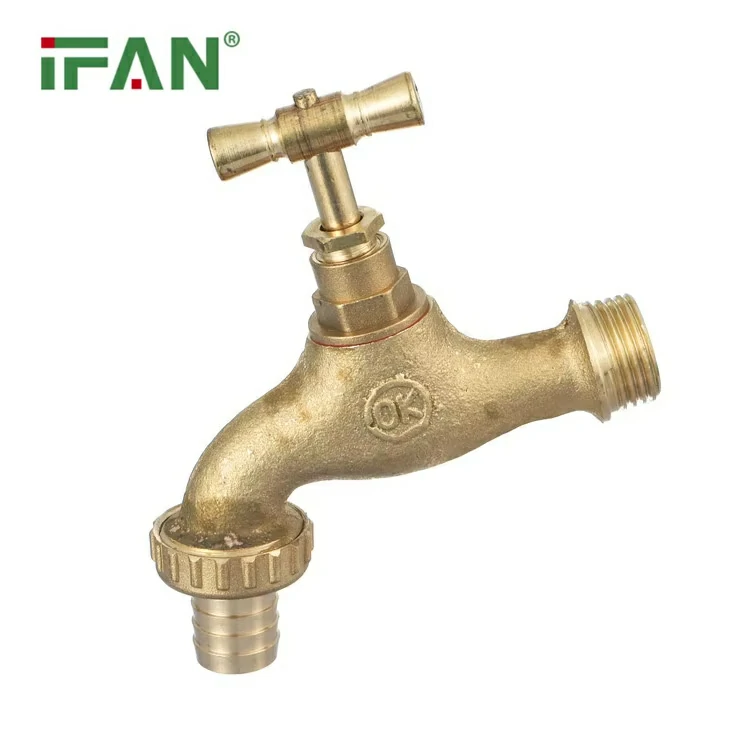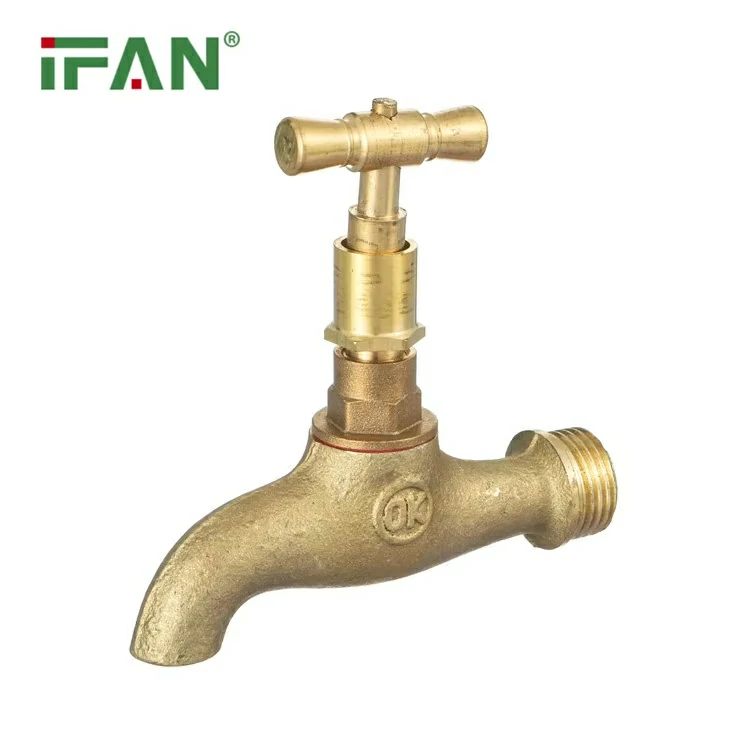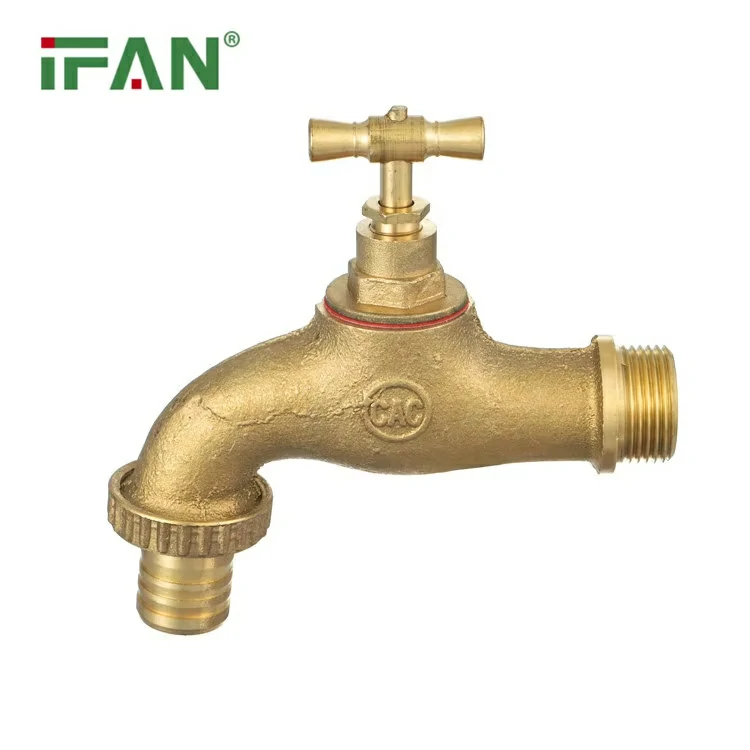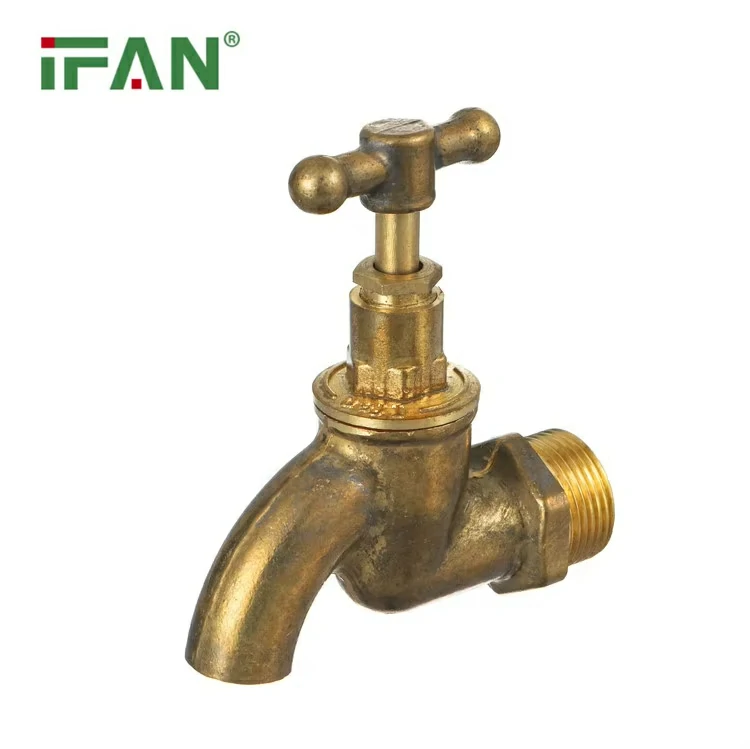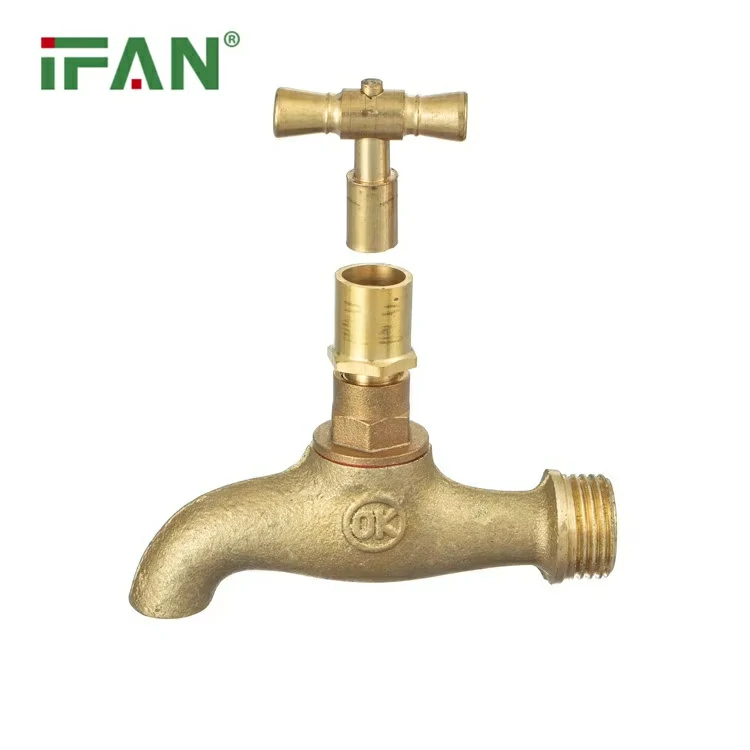
High pressure systems require components that can withstand demanding operating conditions without failure. Among these components, the brass gate valve plays a critical role in controlling fluid flow in plumbing, industrial pipelines, and water distribution networks. Understanding its specifications is essential for selecting the right product for safe and efficient operation.
What Is a High Pressure Brass Gate Valve
A high pressure brass gate valve is a linear motion valve designed to start or stop fluid flow. It uses a wedge-shaped gate that moves perpendicular to the flow direction. When fully open, it provides minimal flow resistance, which makes it suitable for pipelines that require full, unobstructed flow.
Brass is commonly used because it offers excellent corrosion resistance and mechanical strength. It performs well in both hot and cold water systems and maintains structural stability under pressure.
Material Composition and Standards
The body of a high pressure brass gate valve is typically made from forged brass or forged brass alloy. Common compositions include copper, zinc, and trace elements that enhance durability.
Many manufacturers follow international standards such as ASTM B62 or EN 12165 for brass materials. These standards ensure consistent mechanical properties and long-term performance.
Key material specifications often include:
- Body material: Forged brass (DZR brass for anti-dezincification)
- Stem material: Brass or stainless steel
- Seal material: PTFE or EPDM
- Pressure rating: Commonly PN16 to PN40, depending on design
DZR brass is especially important in environments with aggressive water chemistry. It reduces the risk of material degradation over time.
Pressure and Temperature Ratings
High pressure brass gate valves are designed to handle demanding conditions. Pressure ratings vary depending on size and structure, but typical ranges include PN16, PN25, and PN40. PN40 valves are commonly used in industrial applications where higher stress resistance is required.
Temperature resistance is another important factor. Most brass gate valves operate efficiently between -20°C and 120°C. Some reinforced models can handle slightly higher temperatures depending on seal materials.
These ratings ensure the valve maintains integrity without deformation or leakage during operation.
Design and Construction Features
The internal structure of a high pressure brass gate valve is designed for durability and tight sealing. A rising stem design is often used in visible installations, allowing operators to easily identify the valve position.
Non-rising stem designs are preferred in compact systems where vertical space is limited. Both designs offer reliable sealing performance when properly installed.
Important structural features include:
- Full port or standard port options
- Threaded or compression end connections
- Precision-machined wedge gate for tight shutoff
- Reinforced bonnet to withstand internal pressure
A well-designed brass gate valve minimizes pressure drop and reduces wear on internal components.
Applications in Plumbing and Industry
High pressure brass gate valves are widely used in residential, commercial, and industrial systems. They are commonly installed in water supply lines, HVAC systems, and irrigation networks.
In industrial settings, they are used for controlling non-corrosive fluids such as oil, steam (low pressure), and treated water. Their ability to provide a secure shutoff makes them ideal for isolation points in complex piping systems.
Typical applications include:
- Building water distribution systems
- Pumping stations and boiler lines
- Fire protection pipelines
- Agricultural irrigation systems
Their versatility is one of the reasons brass gate valves remain a standard choice in fluid control engineering.
Installation and Maintenance Requirements
Proper installation is essential for achieving full performance. The valve should be installed in a clean pipeline free from debris. Threaded connections must be sealed using appropriate sealing tape or compound to prevent leakage.
Maintenance is generally minimal. Periodic inspection ensures that the stem operates smoothly and the sealing surfaces remain intact. In high usage systems, occasional lubrication of the stem may improve performance and extend service life.
Signs of wear include leakage at the stem or difficulty in turning the handle. These issues should be addressed promptly to avoid system inefficiency.
Conclusion
High pressure brass gate valves are essential components in modern piping systems. Their strength, corrosion resistance, and reliable sealing performance make them suitable for a wide range of applications.
By understanding material composition, pressure ratings, and structural design, users can select the right valve for their system requirements. Proper installation and maintenance further ensure long-term stability and efficient fluid control.