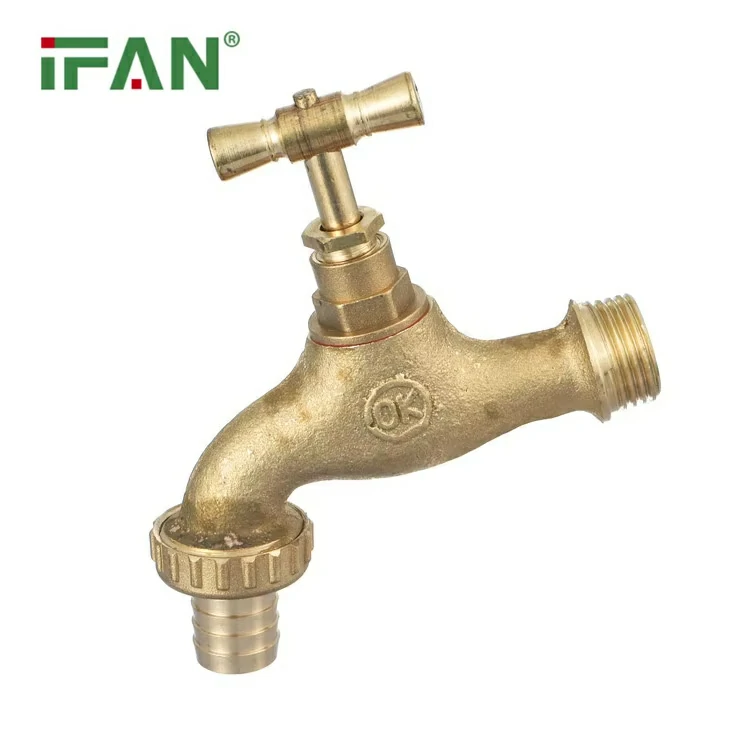
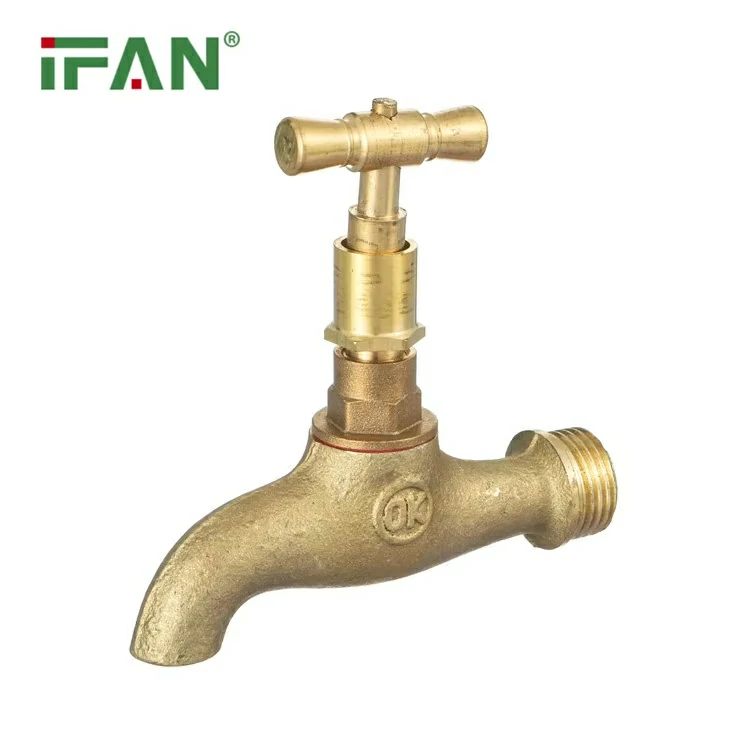
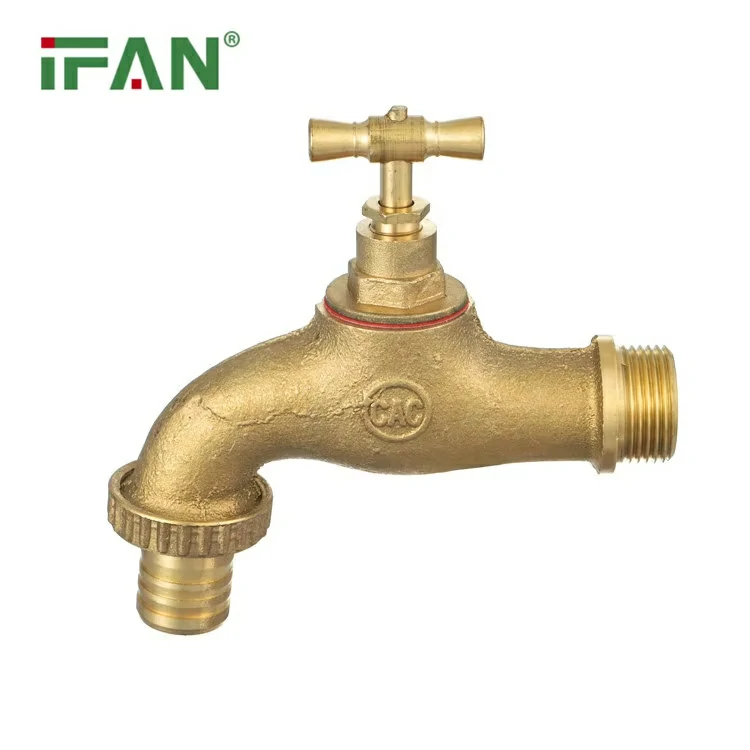
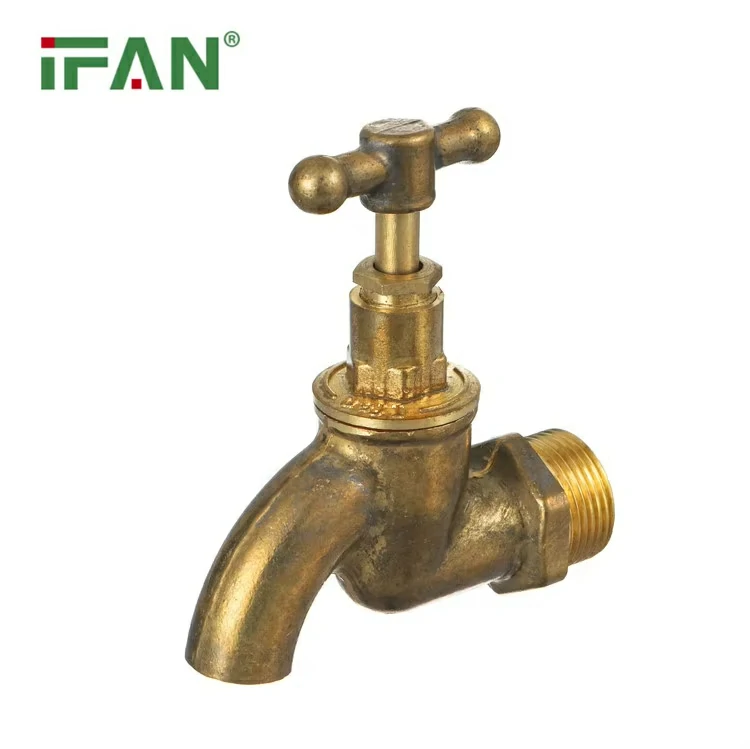
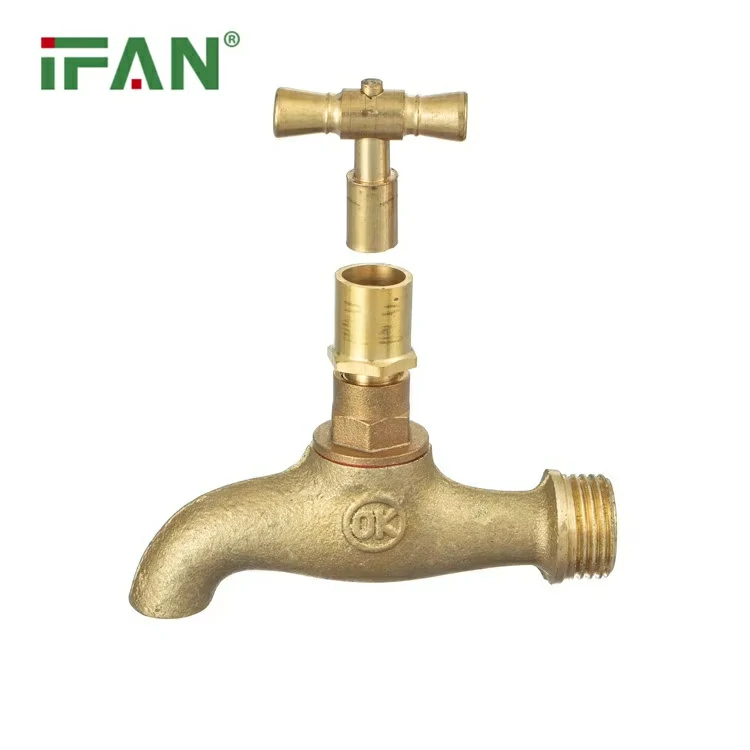
In plumbing systems, valve selection directly affects flow control, durability, and maintenance costs. Two of the most commonly used types are the brass gate valve and the ball valve. They may look similar at first glance, but their internal structure and performance are quite different. Understanding these differences helps you choose the right valve for residential, commercial, or industrial piping systems.
What Is a Brass Gate Valve?
A brass gate valve is designed to start or stop the flow of liquid by lifting or lowering a metal gate inside the valve body. When fully open, the gate is completely out of the flow path. This allows fluid to pass with minimal restriction.
Gate valves are not designed for frequent operation. They work best in fully open or fully closed positions. Partial opening can cause vibration and wear on the gate surface.
Brass is commonly used as the body material because it resists corrosion and handles moderate pressure well. This makes it suitable for water supply lines and general plumbing systems.
What Is a Ball Valve?
A ball valve uses a rotating spherical ball with a hole in the center to control flow. When the hole aligns with the pipe, fluid passes through freely. When rotated 90 degrees, the flow stops completely.
Ball valves are known for quick operation. A simple quarter-turn handle is enough to open or close the valve. This makes them highly efficient in systems where fast shut-off is required.
Brass ball valves are widely used due to their durability, tight sealing, and long service life. They are common in both residential and industrial applications.
Key Differences Between Brass Gate Valve and Ball Valve
Although both valves regulate flow, their working mechanisms are fundamentally different.
1. Operation Style
Gate valves require multiple turns of the handle to open or close. This makes operation slower but allows precise control in some systems.
Ball valves operate with a simple 90-degree turn. This provides fast and reliable shut-off, especially in emergency situations.
2. Flow Control Ability
Gate valves are better for full flow or complete shut-off. They are not ideal for regulating flow because partial opening can damage the gate.
Ball valves are also mainly used for on/off control. However, they provide a more stable and consistent seal even after long-term use.
3. Pressure Drop
When fully open, gate valves create very low pressure drop because the gate is completely removed from the flow path.
Ball valves also offer low pressure drop. The internal bore is usually the same size as the pipe, allowing smooth flow.
4. Durability and Wear
Gate valves can suffer from seat wear if used frequently. The rising stem mechanism also requires more maintenance over time.
Ball valves are generally more durable in frequent-use systems. The rotating ball design reduces friction and mechanical wear.
5. Installation Space
Gate valves are usually taller due to the rising stem design. This requires more vertical space in installation areas.
Ball valves are more compact. They can fit into tight spaces without affecting performance.
6. Cost Consideration
Gate valves are often less expensive in basic models. However, maintenance costs can increase if they are used frequently.
Ball valves may cost slightly more initially. But they offer lower maintenance and longer service life in many applications.
Which One Should You Choose?
The choice depends on the system requirements. If you need a valve for infrequent operation and full open flow, a brass gate valve is suitable. It works well in main water supply lines where adjustment is not required often.
If you need quick shut-off, reliable sealing, and frequent operation, a ball valve is the better option. It is widely used in modern plumbing systems because of its simplicity and efficiency.
Conclusion
Both brass gate valves and ball valves play important roles in plumbing systems. The key difference lies in their design and operation method. Gate valves focus on full flow control with slow operation. Ball valves offer fast switching and better convenience.
Choosing the right valve improves system performance and reduces long-term maintenance issues. Understanding these differences helps ensure a more efficient and reliable piping system.