Why Green PPR Pipe Fittings Are Popular in Modern Homes
Green PPR pipe fittings have become a preferred choice for residential plumbing systems around the world. Homeowners, contractors, and plumbing engineers value them for their durability, safety, and long service life. As modern buildings demand reliable water supply systems, PPR fittings continue to replace traditional metal and plastic alternatives.
PPR stands for Polypropylene Random Copolymer. This material is designed to handle both hot and cold water applications. Unlike metal pipes, it does not rust or corrode. It also resists chemical damage, making it suitable for various residential water systems.
The green color is widely recognized in the plumbing industry. Although color does not affect performance, green PPR pipe fittings are often associated with clean water supply systems. They are commonly used in apartments, villas, schools, hospitals, and commercial buildings.
Choosing high-quality PPR fittings helps reduce maintenance costs and improves the overall reliability of the plumbing network.
Benefits of Green PPR Pipe Fittings
Green PPR pipe fittings offer many advantages that make them suitable for residential plumbing.
Long Service Life
PPR fittings are designed to last for decades under normal operating conditions. High-quality products can provide a service life of more than 50 years when installed correctly. This reduces replacement costs and minimizes maintenance work.
Corrosion Resistance
Metal pipes often suffer from rust and scale buildup over time. Green PPR pipe fittings eliminate this problem because polypropylene does not corrode. Clean pipe walls also help maintain strong water flow throughout the system.
Excellent Heat Resistance
Residential plumbing systems require materials that can safely transport hot water. PPR fittings perform well at high temperatures and maintain stable mechanical properties. This makes them suitable for domestic hot water systems as well as cold water distribution.
Leak-Free Connections
PPR pipe fittings use heat fusion welding. During installation, the pipe and fitting become one continuous piece after fusion. This creates a strong connection that greatly reduces the risk of leakage.
Safe for Drinking Water
Quality PPR materials are non-toxic and odorless. They do not release harmful substances into drinking water. This helps maintain water quality and supports healthier living environments.
Common Types of Green PPR Pipe Fittings
Residential plumbing systems require different fitting designs to create complete pipe networks.
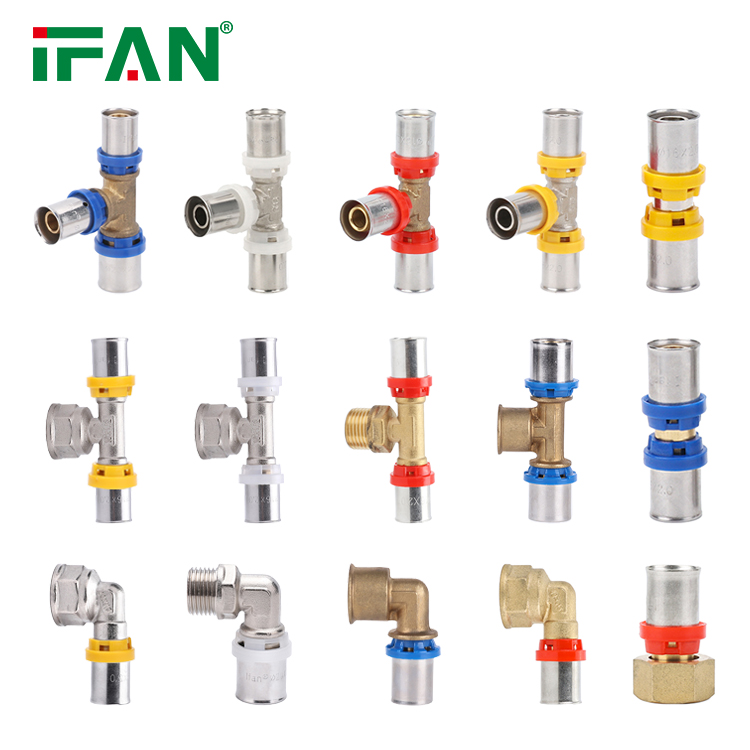
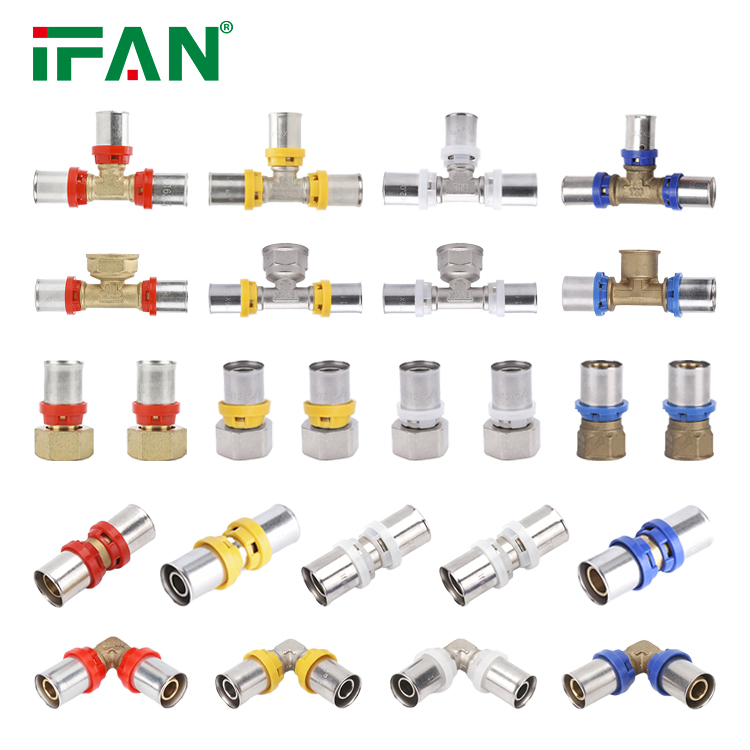
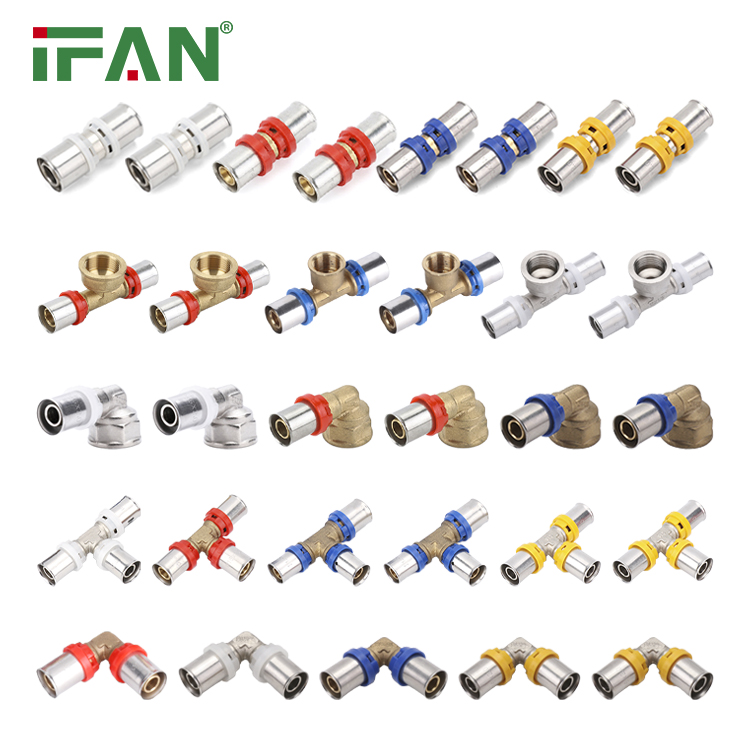
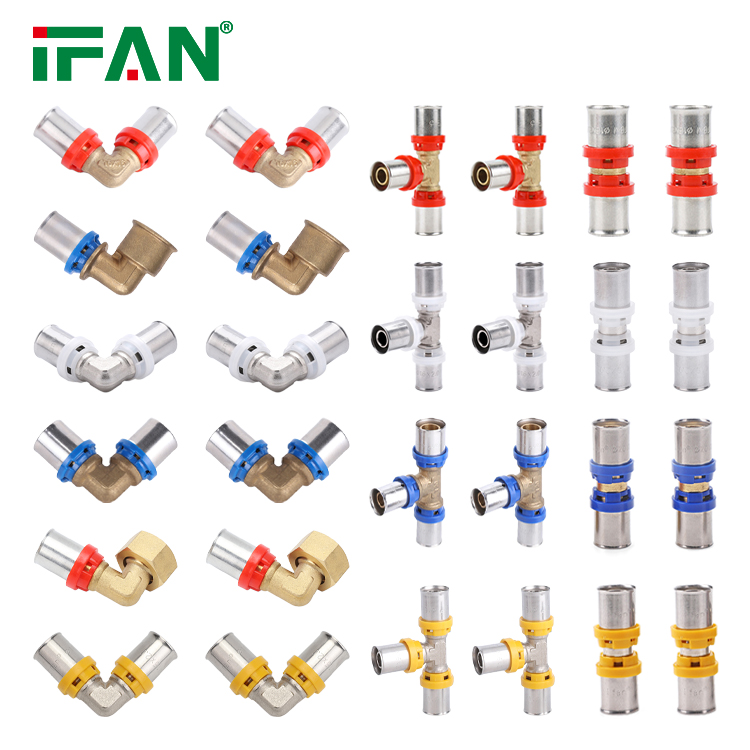
PPR Elbows
Elbows change the direction of water flow. They are available in 45-degree and 90-degree versions to meet different installation requirements.
PPR Tees
Tees allow one pipeline to branch into two directions. They are widely used in kitchens, bathrooms, and utility rooms.
PPR Couplings
Couplings connect two straight sections of PPR pipe. They are among the most commonly used fittings in residential plumbing.
PPR Reducers
Reducers connect pipes with different diameters. They help maintain proper water pressure across the plumbing system.
PPR End Caps
End caps seal the end of unused pipes during installation or future expansion projects.
Threaded PPR Fittings
Some plumbing installations require connections to metal valves or faucets. Threaded PPR fittings combine polypropylene bodies with brass inserts to provide secure transitions between different materials.
Applications in Residential Plumbing
Green PPR pipe fittings are used in nearly every area of a home.
They supply drinking water to kitchens and bathrooms. They deliver hot water from water heaters to showers and sinks. They also serve laundry rooms, outdoor faucets, and floor heating systems.
Many builders choose PPR because it performs well under continuous water pressure. It also produces less flow noise than traditional metal pipes, creating a quieter home environment.
For newly constructed houses, PPR systems offer simple installation and lower maintenance costs. During renovation projects, they provide an efficient upgrade from aging galvanized steel or copper piping.
Installation Tips for Better Performance
Proper installation is essential for maximizing the lifespan of green PPR pipe fittings.
Always use professional heat fusion equipment. Ensure the heating temperature and fusion time follow manufacturer recommendations. Keep pipe ends clean before welding to prevent contamination.
Avoid excessive bending during installation. Use appropriate fittings whenever direction changes are required.
Support long pipe runs with suitable pipe clamps. Proper support reduces stress on the plumbing system and improves long-term stability.
Pressure testing should be completed before walls or floors are closed. This confirms that every connection is secure before the building is occupied.
How to Choose High-Quality Green PPR Pipe Fittings
Not all PPR fittings offer the same level of quality. Buyers should evaluate several important factors before making a purchase.
Choose products manufactured from premium raw materials. Certified materials usually provide better strength and longer service life.
Check whether the fittings comply with international quality standards such as ISO, DIN, or other recognized certifications. Certified products generally deliver more consistent performance.
Inspect the surface of each fitting. High-quality fittings have smooth finishes without cracks, bubbles, or visible defects.
Reliable manufacturers also perform pressure testing, dimensional inspection, and raw material verification during production. Strong quality control helps ensure every fitting meets customer expectations.
Why Professional Contractors Prefer PPR Systems
Professional plumbers often recommend green PPR pipe fittings because they simplify installation while improving system reliability.
Heat fusion joints eliminate many common leakage problems found in threaded or glued connections. The lightweight material is also easier to transport and install, reducing labor time on construction sites.
PPR systems require very little maintenance after installation. Since corrosion is not an issue, homeowners spend less money on repairs throughout the life of the building.
Energy efficiency is another advantage. The low thermal conductivity of polypropylene helps reduce heat loss in hot water systems, improving overall energy performance.
IFAN: A Reliable Manufacturer of Green PPR Pipe Fittings
When selecting a trusted supplier, product quality and manufacturing experience matter. IFAN has become a recognized manufacturer of PPR piping systems for customers across global markets.
IFAN offers a complete range of green PPR pipe fittings, including elbows, tees, couplings, reducers, valves, and threaded fittings. The company uses advanced production equipment, strict quality management, and carefully selected raw materials to ensure consistent product performance.
With years of manufacturing experience, IFAN supports OEM and ODM services while providing customized solutions for wholesalers, distributors, contractors, and engineering projects. Its products are widely exported and trusted in residential, commercial, and industrial plumbing applications.
Conclusion
Green PPR pipe fittings are an excellent solution for modern residential plumbing systems. Their corrosion resistance, long service life, leak-free fusion joints, and safe drinking water performance make them a dependable choice for homeowners and professionals alike.
Whether building a new home or upgrading an existing plumbing system, investing in high-quality PPR fittings can reduce maintenance costs and improve long-term reliability. Working with an experienced manufacturer such as IFAN ensures access to durable products, consistent quality, and professional support for projects of every size. By choosing the right green PPR pipe fittings, homeowners can build efficient water supply systems that perform reliably for decades.