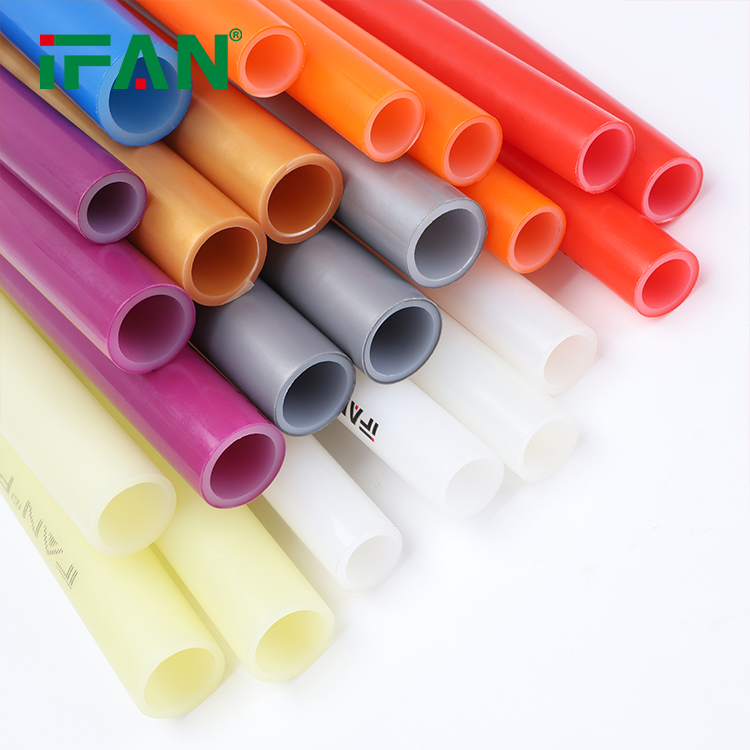
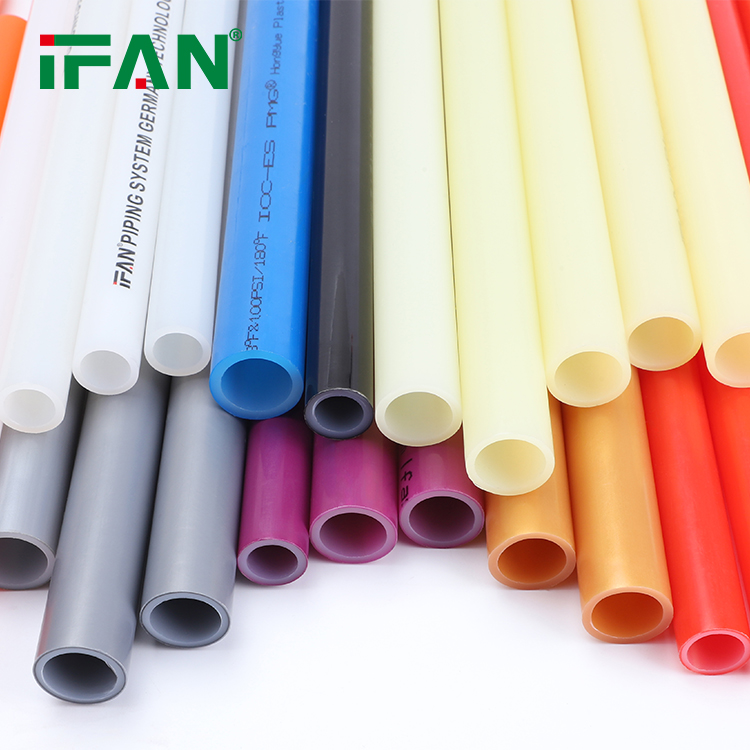
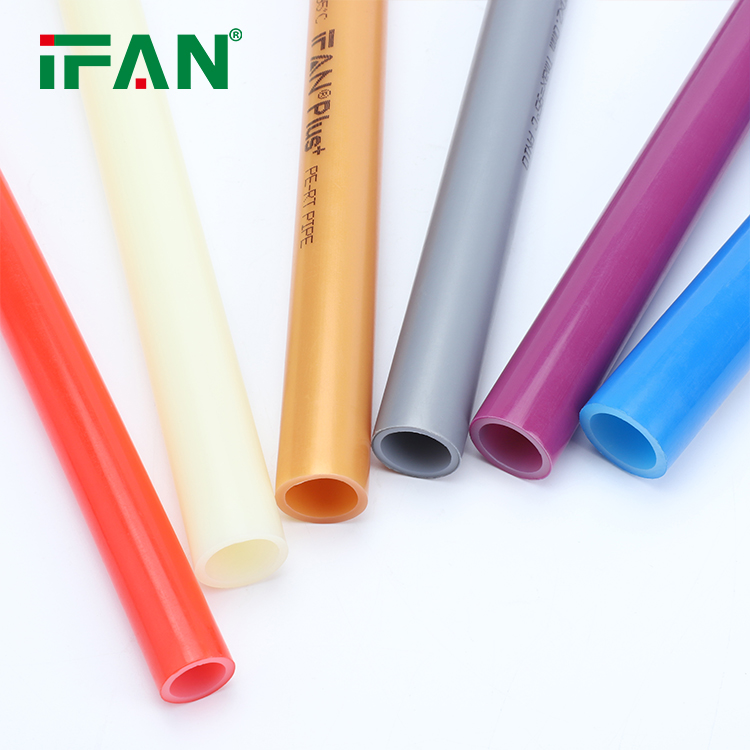
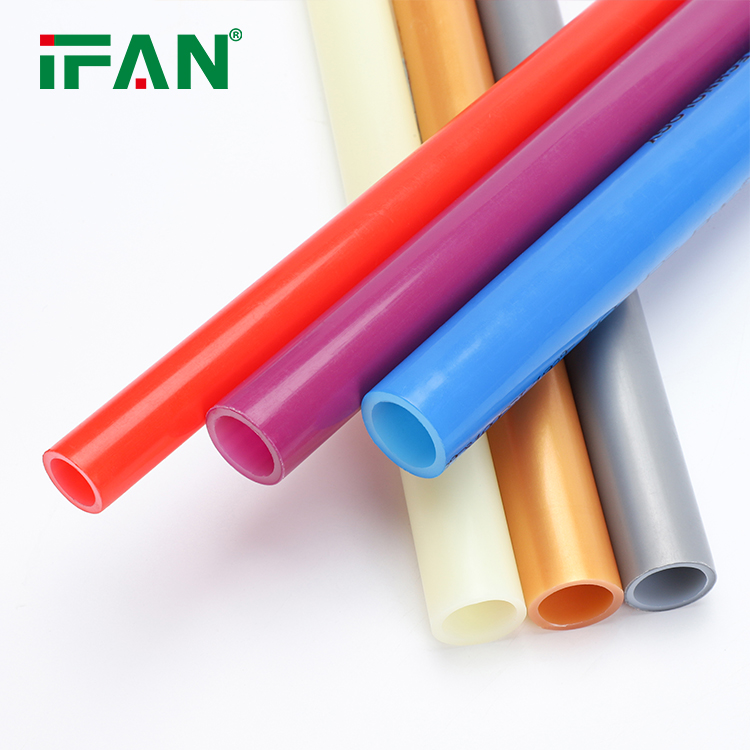
Choosing the correct PEX pipe diameter is essential for a reliable plumbing system. Pipe size affects water flow, pressure performance, installation cost, and the comfort of everyday use. A pipe that is too small may restrict flow, while an unnecessarily large pipe can increase material costs.
For contractors, wholesalers, and project buyers, selecting the right diameter starts with understanding the application. IFAN offers plumbing pipes and fittings for different project requirements, so buyers should consider pipe dimensions, connection compatibility, and system specifications together.
1. Understand Common PEX Pipe Sizes
PEX pipes are available in different nominal sizes. Common sizes used in plumbing systems include 3/8 inch, 1/2 inch, 3/4 inch, and 1 inch, although availability varies by market and product range. Metric sizing is also widely used in many regions.
Remember that nominal pipe size does not always equal the actual outside or inside diameter. Wall thickness and the applicable sizing standard affect the pipe’s dimensions. Always check the manufacturer’s technical data before selecting fittings or planning an installation.
Smaller pipes may be used for certain fixture connections, while larger pipes may serve main supply lines or branches supplying several fixtures. These are general examples, not universal rules.
When sourcing PEX pipe from IFAN, confirm the available dimensions, applicable standards, and matching fittings for your intended plumbing system.
2. Choose the Size Based on the Application
The right pipe diameter depends on how the system will be used.
Single fixture connections: Smaller pipe sizes may be suitable for individual fixtures when the design flow and pressure requirements allow. The distance from the supply line also matters.
Branch lines: A branch supplying several fixtures may require a larger diameter than a line serving one fixture. The expected demand and the likelihood of simultaneous use should be considered.
Main water supply lines: Main lines usually need to accommodate the combined demand of multiple branches. Their size should be calculated according to the building layout, required flow, available pressure, and applicable plumbing code.
Underfloor heating: PEX pipe used for underfloor heating must be selected according to the heating system design. Pipe diameter, circuit length, heat output, and pressure loss all affect performance. Do not apply domestic water supply sizing rules directly to a heating circuit.
IFAN plumbing products can be evaluated for different applications, but the selected size should always match the system design and the product’s approved use.

3. Consider Water Flow and Pressure Loss
Pipe diameter directly influences how easily water can move through a system. A smaller internal diameter generally creates greater resistance at the same flow rate. Long pipe runs, multiple fittings, and bends can increase pressure loss.
If the pipe is undersized, users may experience reduced flow when several taps or appliances operate at the same time. However, choosing the largest available pipe is not automatically the best solution. Larger pipes cost more and hold a greater volume of water.
To select the correct diameter, consider:
- The expected flow rate for each fixture or appliance.
- The number of fixtures that may operate simultaneously.
- The total pipe length and routing.
- The available supply pressure.
- Pressure loss through fittings, valves, and other components.
For larger residential buildings and commercial projects, a qualified plumbing designer may need to calculate the required diameter rather than relying on a simple size chart.
4. Check Compatibility With PEX Fittings
Correct pipe sizing is only part of the selection process. PEX pipes must be paired with fittings designed for the specific pipe dimensions and connection system.
For example, press, crimp, and expansion connections use different installation requirements. A fitting or tool designed for one system should not be assumed to work with another. The pipe material, outside diameter, wall thickness, fitting design, and installation tool must all be compatible.
IFAN supplies plumbing pipes and fittings for different project needs. Before ordering, buyers should confirm the required pipe size and connection method with IFAN, especially when purchasing components from different product ranges.
Correct compatibility helps reduce the risk of leaks, poor connections, and avoidable installation problems.
5. Account for Temperature and Intended Use
PEX pipe size should not be selected on diameter alone. The product must also meet the operating conditions of the system.
For hot and cold water supply, check the pipe’s approved temperature and pressure ratings. For heating applications, confirm that the pipe is designed for the relevant system and operating conditions.
Also review local plumbing regulations and any required approvals for potable water. If the pipe will be installed in a location exposed to sunlight, chemicals, or physical damage, check the manufacturer’s protection and installation requirements.
When comparing IFAN PEX pipes, review the technical specifications alongside the size options. This helps ensure that the selected product suits both the required diameter and the actual operating environment.
6. Common Mistakes When Selecting PEX Pipe Size
A few common mistakes can lead to unnecessary costs or poor system performance.
- Choosing by diameter alone: Pipe length, flow demand, and pressure loss are equally important.
- Confusing nominal size with actual dimensions: Always verify the applicable sizing standard.
- Ignoring simultaneous demand: Several fixtures may operate at once, especially in larger homes.
- Mixing incompatible components: Pipe, fittings, and tools must be approved for the same connection system.
- Using water supply rules for heating circuits: Underfloor heating requires sizing based on the heating design.
Avoiding these mistakes makes it easier to specify the correct PEX pipe and plan a reliable installation.
Why Consider IFAN PEX Pipes and Fittings?
For distributors, contractors, and project purchasers, choosing a supplier involves more than finding a suitable diameter. Product availability, technical documentation, compatible fittings, and consistent specifications are also important.
IFAN offers plumbing products for residential and commercial applications. Buyers can evaluate IFAN PEX pipes and fittings according to their project dimensions, intended use, and connection requirements.
Before placing a bulk order, confirm the available sizes, material specifications, relevant standards, and matching connection components. Providing a clear project specification helps the supplier identify suitable options and reduces the chance of ordering the wrong products.
Final Thoughts
Selecting the correct PEX pipe diameter requires more than following a basic size chart. You need to consider water demand, pipe length, available pressure, fitting compatibility, and the intended application.
Smaller sizes may suit certain fixture connections, while larger diameters may be needed for main lines or higher flow demands. Heating circuits require their own system-based calculations.
By checking technical data and applicable plumbing codes, you can choose a pipe size that meets your project’s requirements. IFAN PEX pipes and compatible fittings are worth evaluating as part of a complete plumbing solution designed for reliable operation.