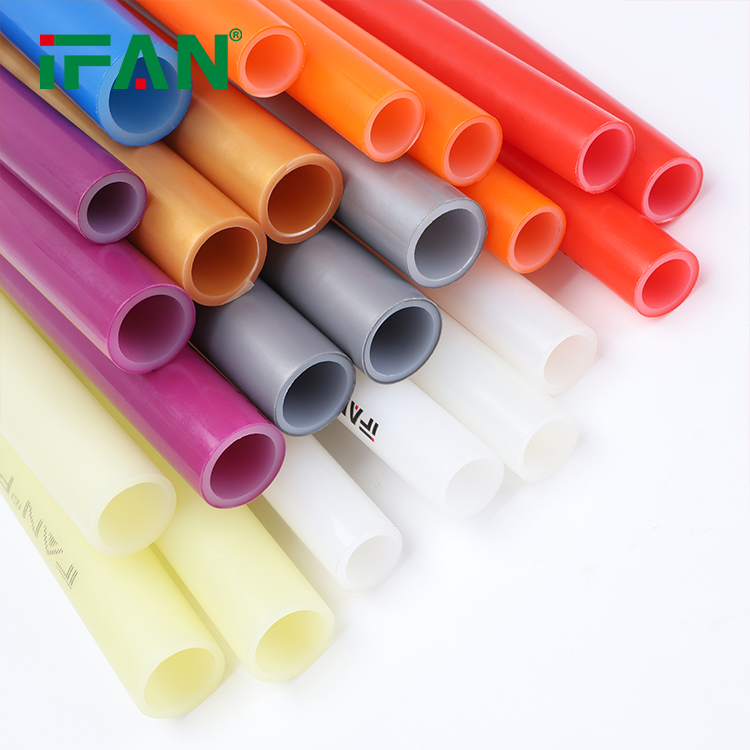
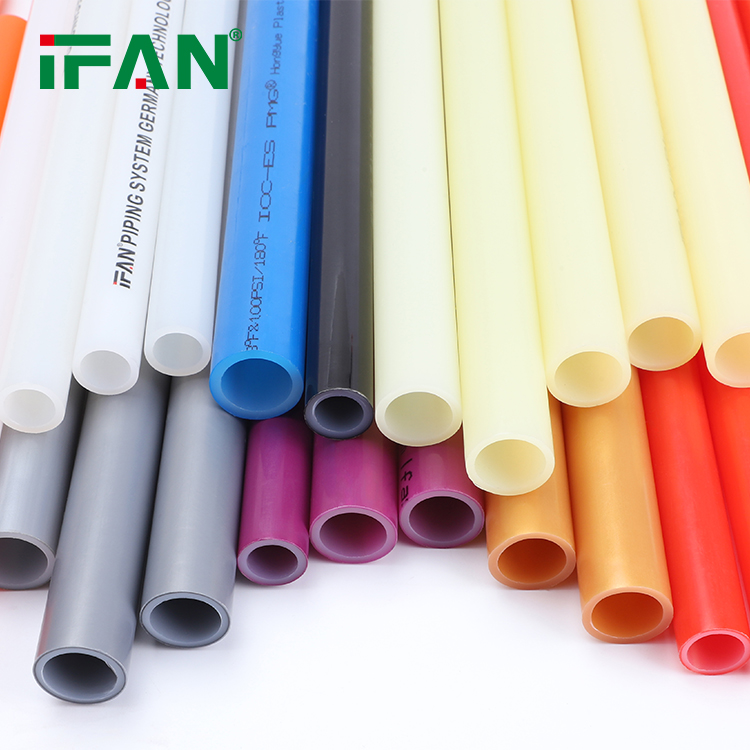
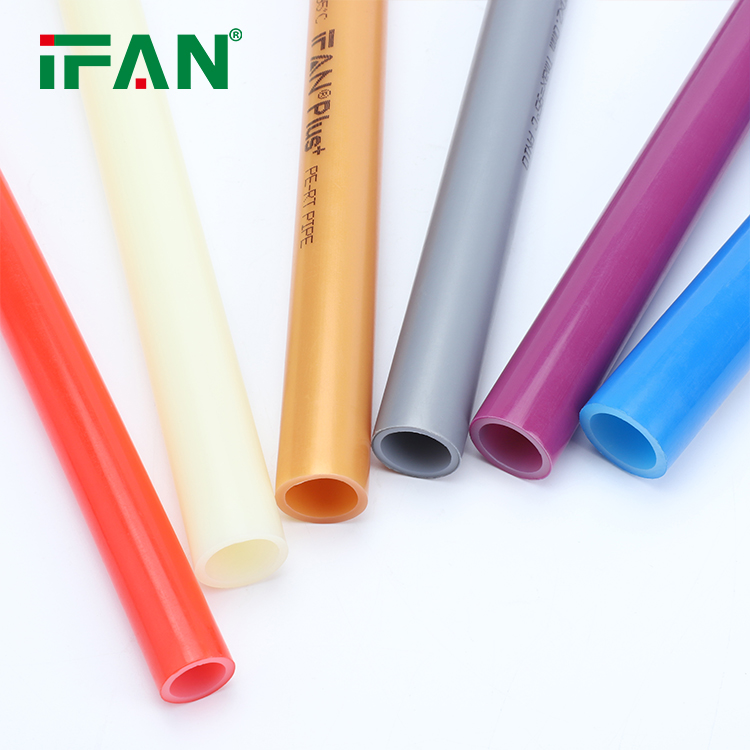
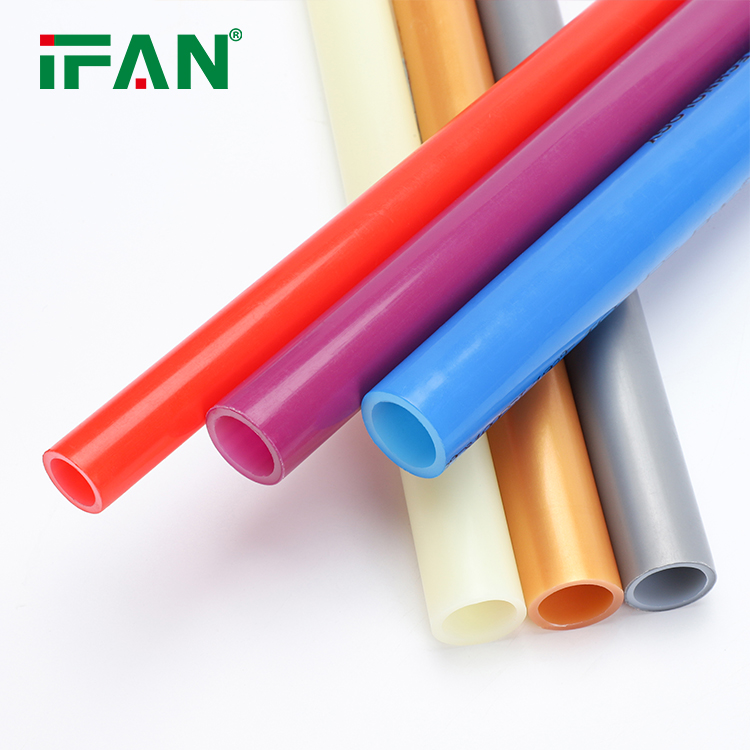
Underfloor heating provides comfortable heat distribution through pipes installed beneath the floor. Choosing the right PEX pipe is essential for efficient heat transfer, reliable operation, and long-term system performance. However, not every PEX pipe is designed for underfloor heating, so buyers need to check product specifications before making a purchase.
For heating contractors, distributors, wholesalers, and project developers, the right choice depends on pipe dimensions, temperature and pressure ratings, circuit design, and installation requirements. IFAN offers plumbing products for different applications, making it worthwhile to evaluate suitable pipe and fitting options based on the needs of each heating project.
1. Choose PEX Pipe Designed for Underfloor Heating
PEX pipe is widely used in hydronic underfloor heating systems, where warm water circulates through pipes embedded in or installed beneath the floor. The pipe must withstand the system’s expected operating temperature and pressure.
Before purchasing, confirm that the product is specifically suitable for underfloor heating. Check its technical data, applicable standards, and manufacturer-approved operating conditions.
PEX-A, PEX-B, and PEX-C differ in their manufacturing methods and material characteristics. Their flexibility and handling properties may vary, but the pipe type alone does not determine whether it is suitable for a heating system. Product ratings and system compatibility are more important.
When evaluating IFAN PEX pipe for underfloor heating, ask for the relevant specifications and confirm that the selected product meets the project’s design requirements.
2. Select the Correct Pipe Diameter
Pipe diameter affects water flow, pressure loss, and the overall performance of an underfloor heating circuit. Common metric sizes include 16 mm, 17 mm, and 20 mm, although the appropriate options depend on the system design and local market.
A smaller diameter may suit certain compact circuits, while a larger diameter may be appropriate for other layouts. However, the correct size cannot be selected by floor area alone.
Consider these factors before deciding:
- Required heat output and water flow.
- Circuit length and pipe spacing.
- Available pump pressure and allowable pressure loss.
- Manifold capacity and connection specifications.
- The heating system designer’s recommendations.
An incorrectly sized pipe can make balancing the system more difficult or affect heat distribution. For larger projects, use a proper heating design calculation rather than relying on a general size chart.
IFAN pipe dimensions should be checked against the manifold, fittings, and installation plan before ordering.
3. Check Temperature and Pressure Ratings
Underfloor heating typically operates differently from high-temperature radiator systems. Even so, the pipe must be rated for the actual temperature and pressure conditions specified by the heating design.
Review the manufacturer’s operating limits and the applicable product standards. Also consider the system’s maximum design temperature, pressure, and any special operating conditions.
Do not assume that every PEX pipe intended for domestic water supply is automatically suitable for underfloor heating. Likewise, do not exceed the product’s specified limits simply because the system normally operates at a lower temperature.
For IFAN products, request the technical documentation for the exact pipe model you plan to use. This helps confirm suitability before installation and bulk purchasing.
4. Look for an Oxygen Barrier
An oxygen barrier is an important feature to consider in hydronic underfloor heating systems. Oxygen can gradually diffuse through certain plastic pipes and enter the heating water. In systems containing ferrous components, this may contribute to corrosion.
An oxygen-barrier layer, often made with EVOH, helps limit oxygen diffusion. Some multilayer pipes use an aluminum layer to provide this barrier. The appropriate design depends on the heating system and its specifications.
Before buying, check whether the pipe meets the oxygen-diffusion requirements specified for your project. Relevant documentation may include compliance with DIN 4726 or another applicable standard.
When sourcing underfloor heating pipes from IFAN, ask about available oxygen-barrier options and request the technical documents for the exact model. This is particularly important for systems connected to metal boilers, pumps, or other components that may be vulnerable to corrosion.
5. Calculate Circuit Length and Pipe Spacing
Pipe spacing and circuit length affect heat distribution and hydraulic performance. Pipes installed closer together may provide more uniform heat across certain areas, but the best spacing depends on the room’s heat demand, floor construction, and heating design.
Circuit length also matters. Longer loops generally create greater pressure loss, so the designer must balance pipe diameter, flow rate, and circuit layout.
Before ordering, confirm:
- The total floor area requiring heating.
- The planned pipe spacing and layout.
- The number of circuits and manifold outlets.
- The recommended maximum circuit length for the selected pipe size.
- The required pipe coil length and quantity.
Do not estimate the total quantity from floor area alone. Pipe spacing, connection runs, room geometry, and circuit design all affect the final requirement.
IFAN can be considered when sourcing pipe for residential or commercial underfloor heating projects. Providing a clear project specification helps buyers check the required pipe dimensions, coil quantities, and compatible manifold connections before placing a wholesale order.
6. Check Installation Quality and Long-Term Reliability
Underfloor heating pipes are often concealed beneath screed or flooring. Repairing a damaged pipe after the floor is finished can be disruptive and expensive. Product quality and installation control therefore deserve careful attention.
Inspect the pipe for visible damage and verify its markings and specifications before installation. Follow the manufacturer’s instructions for bending, fixing, connection, and pressure testing. Avoid sharp bends, accidental kinks, and damage during construction.
The system should be pressure-tested according to the applicable installation procedure before the floor is covered. Installers should also follow the heating designer’s requirements for commissioning and operation.
When evaluating IFAN PEX pipes, review the relevant quality documents and confirm the manufacturer’s recommended installation procedures. Consistent specifications and careful installation help support reliable system performance.
Why Consider IFAN for Underfloor Heating Projects?
For wholesalers, distributors, contractors, and project buyers, selecting a pipe manufacturer involves more than comparing the price per meter. Product specifications, available dimensions, oxygen-barrier options, technical documentation, and supply arrangements all matter.
IFAN offers plumbing products for different project requirements. Buyers planning underfloor heating installations can discuss the required pipe type, diameter, operating conditions, and project quantities to determine whether the available products are suitable.
Before confirming an order, ask IFAN to verify the exact model specifications, applicable standards, matching fittings, and delivery arrangements. For large projects, requesting samples and reviewing technical documents before bulk purchasing can help reduce procurement risks.
Final Thoughts
Choosing the right PEX pipe for underfloor heating requires careful consideration of pipe type, diameter, temperature and pressure ratings, oxygen protection, and circuit design. The correct choice depends on the heating system rather than one feature alone.
Before purchasing, confirm that the pipe is approved for underfloor heating and compatible with the manifold and connection system. Check the technical specifications and follow the installation design to help achieve consistent heat distribution and dependable operation.
IFAN PEX pipes and compatible plumbing products are worth evaluating for underfloor heating projects when their specifications match the system’s requirements.