Choosing the right pipe is an important step in any underfloor heating project. PEX and PE-RT are both widely used in hydronic floor heating systems. However, they differ in material structure, installation characteristics, and connection methods.
For buyers, the best choice depends on project requirements, installation practices, budget, and local standards. Understanding these differences helps distributors, contractors, and project managers select suitable pipes with greater confidence.
1. What Is the Difference Between PEX and PE-RT?
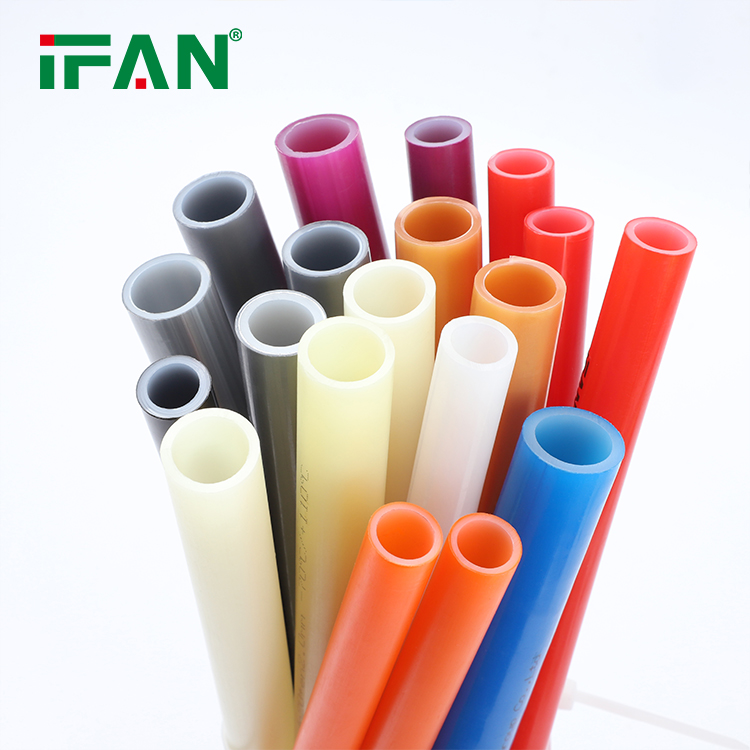
PEX stands for cross-linked polyethylene. Its polymer structure is modified through a cross-linking process. This gives PEX useful resistance to heat and pressure when manufactured and specified for the intended application.
PE-RT means polyethylene of raised temperature resistance. Unlike PEX, it is not cross-linked. Its material structure is designed to provide suitable performance in elevated-temperature water systems.
Both materials can be suitable for underfloor heating. The important point is to choose a pipe grade designed for the expected operating temperature and pressure.
2. Flexibility and Installation
Flexibility matters because underfloor heating pipes must follow planned routes across the floor. Installers need to create smooth bends while avoiding kinks and damage.
PE-RT pipe is often appreciated for its flexible handling and convenient installation. It can be a practical choice for projects involving many heating circuits or large floor areas.
PEX is also flexible, but its handling characteristics depend on the PEX type and product design. Some PEX pipes have stronger shape memory and tend to spring back after bending. Installers may need suitable clips or fixing rails to maintain the planned layout.
For buyers, it is worth considering not only the pipe price but also installation time, fixing materials, and the experience of local contractors.
3. Temperature and Pressure Performance
Underfloor heating generally operates at lower water temperatures than many conventional radiator systems. Both PEX and PE-RT can serve these applications when their technical ratings match the system design.
However, buyers should not assume every pipe has the same performance limits. Temperature resistance and allowable pressure vary by material grade, pipe dimensions, wall thickness, and product specification.
Before placing a bulk order, check the manufacturer’s technical data. Confirm the continuous operating temperature, pressure rating, and applicable product standard. If the system has unusual operating conditions, consult the heating designer before choosing the pipe.
4. Oxygen Barrier: An Important Buying Consideration
The material name alone does not tell buyers whether a pipe has an oxygen barrier. Some PEX and PE-RT pipes include an EVOH layer designed to limit oxygen diffusion.
This feature can be important in closed-loop hydronic heating systems containing metal components, such as pumps, boilers, valves, or manifolds. Reducing oxygen entry helps protect these components from corrosion.
When comparing PEX and PE-RT underfloor heating pipes, check whether the project specification requires an oxygen-barrier version. Confirm the relevant standard and test documentation for the destination market.
5. Cost and Long-Term Value
PE-RT is often a cost-effective option for standard underfloor heating projects. Its handling characteristics and material cost may help buyers manage budgets across large residential developments or commercial installations.
PEX may be preferred when a project calls for particular performance characteristics, an established PEX connection system, or additional temperature and pressure capacity. The right choice depends on the specific product rather than the material name alone.
For wholesalers and distributors, a lower purchase price is only one part of the calculation. Product consistency, packaging, available coil lengths, delivery schedules, technical support, and after-sales service can also affect total project cost.
6. How to Choose the Right Pipe for Your Project
Before purchasing PEX or PE-RT pipe, buyers should check several key points:
- Project requirements: Confirm the design temperature, working pressure, and heating layout.
- Pipe specifications: Verify diameter, wall thickness, applicable standards, and barrier construction.
- Connection compatibility: Use fittings and tools approved for the exact pipe system. Do not assume all PEX and PE-RT connections are interchangeable.
- Installation conditions: Consider bend requirements, fixing methods, coil handling, and installer experience.
- Quality documentation: Request technical data sheets and relevant test reports or certifications for the target market.
A suitable pipe must work as part of the complete heating system. Correct installation and pressure testing before the floor is covered are also essential.
7. Why Consider IFAN for Underfloor Heating Projects?
For buyers sourcing underfloor heating pipe, IFAN can be one option to evaluate when comparing product specifications and supply requirements. Before selecting PEX or PE-RT, discuss the project application, required sizes, operating conditions, and oxygen-barrier needs with the supplier.
Buyers should also confirm available product standards, technical documents, packaging options, and order quantities. These details help ensure that the selected pipe meets the project’s requirements and supports consistent procurement.
Whether you are purchasing for a residential development, a commercial building, or distribution, compare the actual specifications and supply terms rather than relying on material names alone.
Final Thoughts
PEX and PE-RT can both be suitable for underfloor heating, provided the selected pipe meets the system’s technical requirements. PE-RT is often attractive for its flexible handling and cost considerations. PEX may suit projects that prioritize particular performance characteristics or established connection systems.
For buyers, the most reliable decision comes from comparing operating ratings, oxygen-barrier requirements, installation methods, standards, and total project cost. With the right specifications and compatible fittings, either material can be a practical choice for a well-designed underfloor heating system.