The Critical Difference Between Speed and Reliability
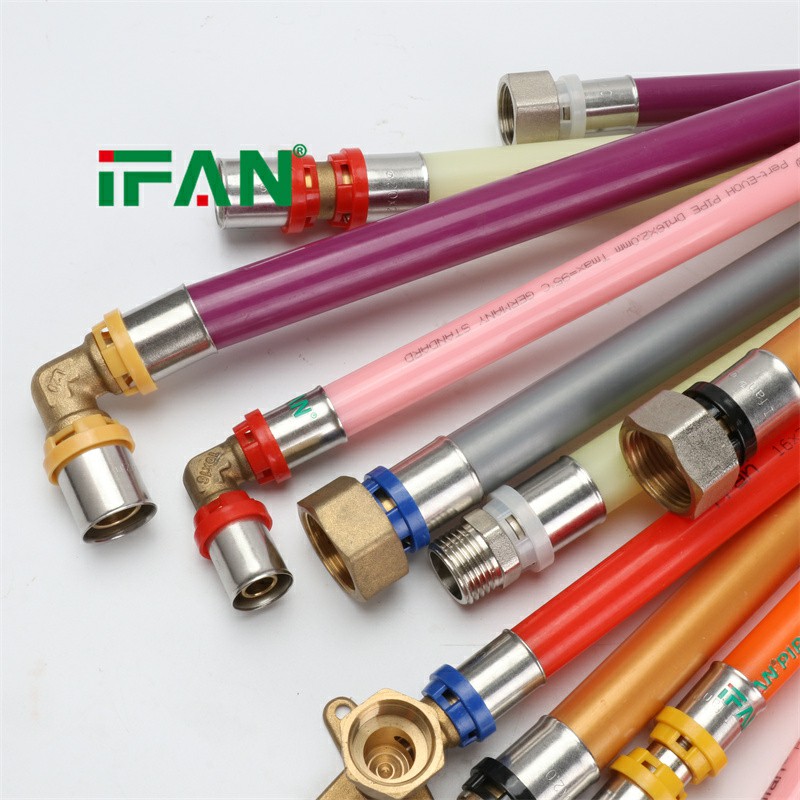
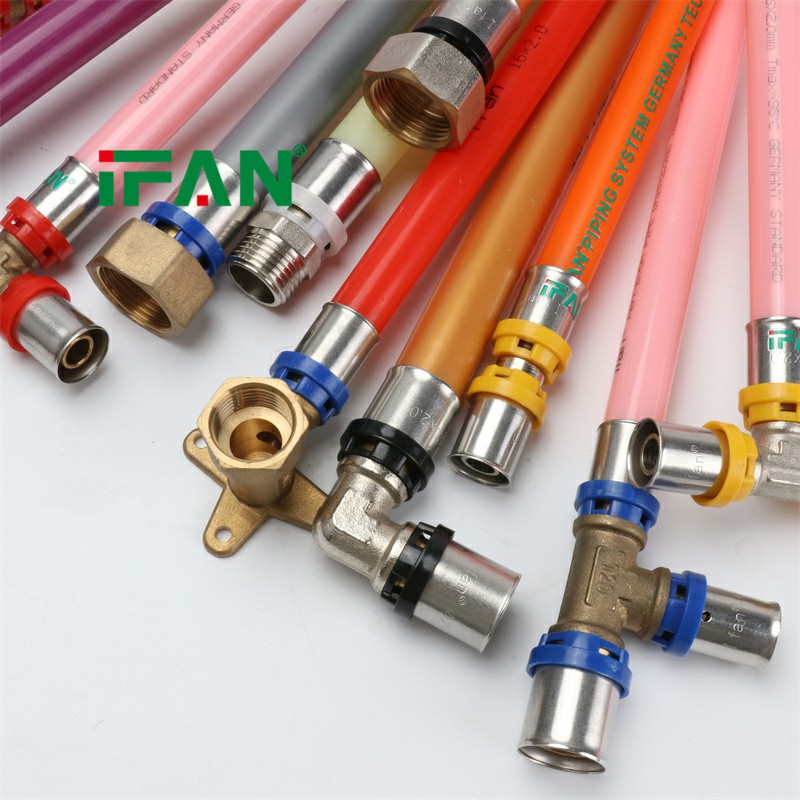
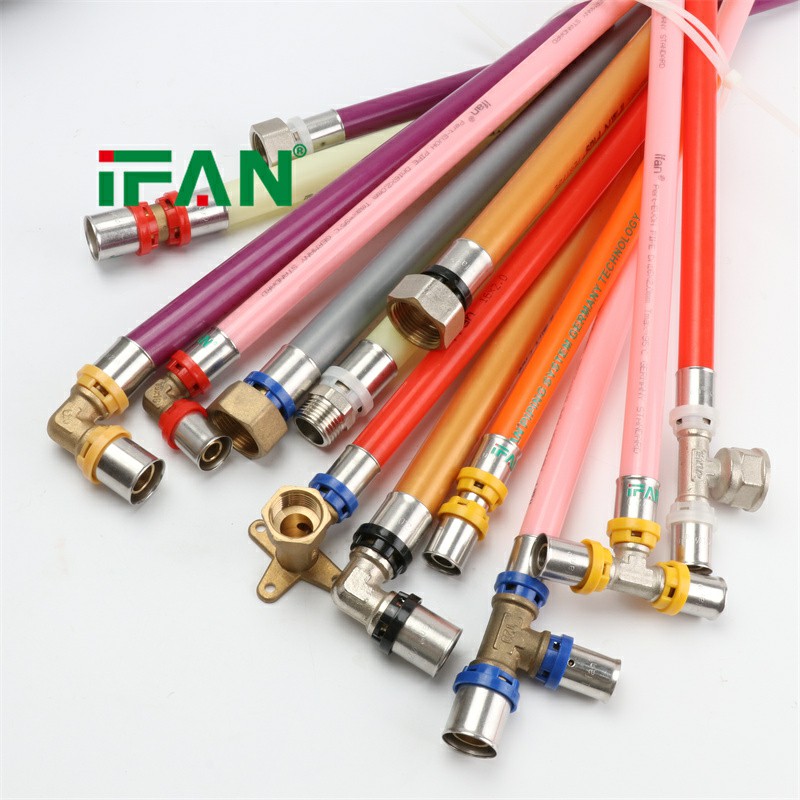
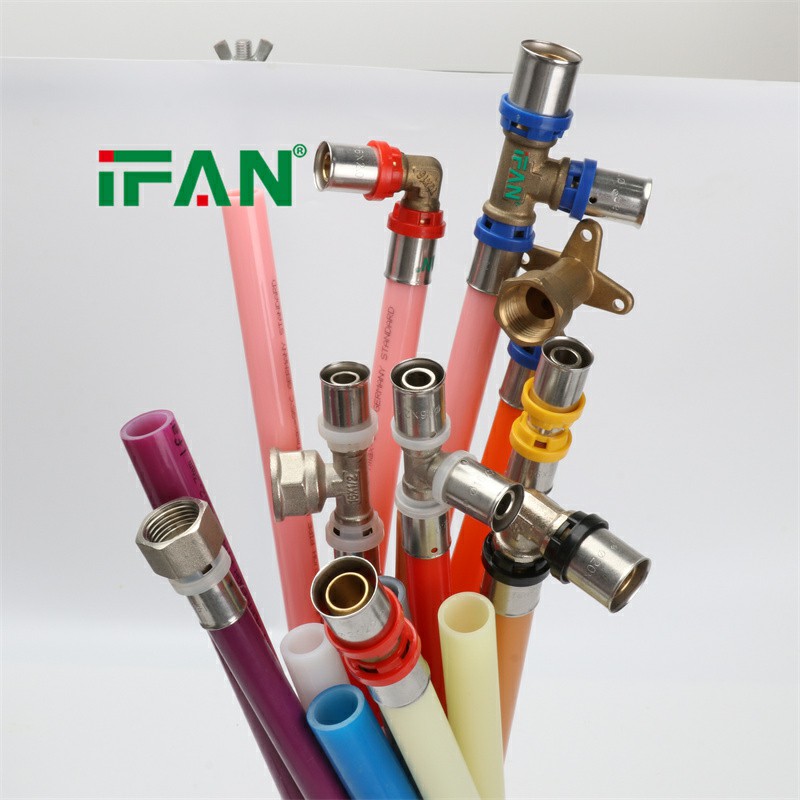
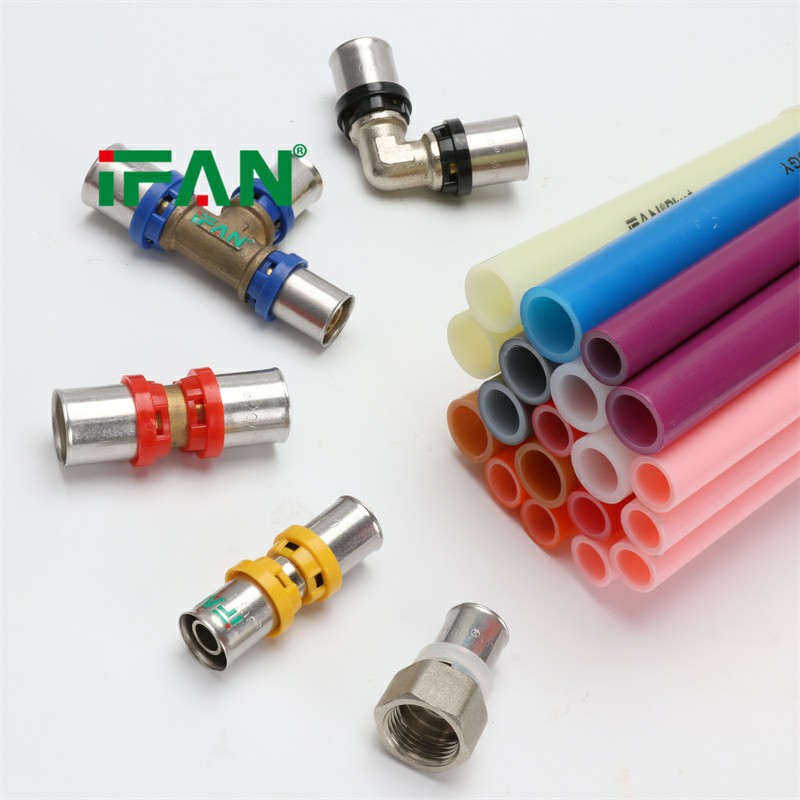
Press fittings have revolutionized modern plumbing by allowing contractors to make secure connections in seconds. The absence of open flames and soldering materials makes the process cleaner and safer. However, the very speed and simplicity of the press system can sometimes lead to complacency. Even a premium product like IFAN PEX Press Fittings is only as reliable as its installation. A single misstep in the preparation or pressing process can create a hidden weakness that leads to severe water damage months or years down the line. Understanding the most common installation errors is the first step toward ensuring a permanent, leak-proof system.
Failing to Use a Calibrated Press Tool
The most catastrophic mistake is using the wrong tool or failing to maintain the press tool. PEX press fittings are engineered to specific compression dimensions. The stainless steel sleeve must be compressed with immense, uniform force to achieve the required mechanical grip and activate the O-ring seal.
If an installer uses a tool that has not been calibrated or applies the jaws improperly, the sleeve will not deform correctly. An under-pressed joint may hold during the initial pressure test but fail later as thermal cycling loosens the unsecured pipe. Always verify that the press tool is calibrated, matches the specific fitting size, and is applied squarely to the fitting before initiating the press cycle.
Skipping the Visual Verification
Because a press tool completes the cycle in seconds, it is easy to lose track of which joints have been pressed and which have not. This is why the visual indent mark on the stainless steel sleeve is a critical safety feature.
A common mistake is failing to check this indent immediately after pressing. If the tool misfires, or if the installer accidentally skips a joint, the visual mark will be missing. Relying on memory or waiting until the end of the day to inspect the system is dangerous. Installers should physically mark off each joint or check the indent immediately after the tool is removed to ensure no unpressed connections are left in the system.
Damaging the O-Ring During Insertion
The internal O-ring is the primary watertight barrier. If it is compromised, a leak is inevitable. The most frequent cause of O-ring damage is a poorly prepared pipe end. If the PEX pipe is cut with a dull blade, it will have a burr or an uneven edge. When this rough edge is forced over the O-ring, it can cut or slice the rubber.
Installers must always use a sharp, dedicated PEX cutting tool to ensure a clean, square cut. After cutting, the pipe should be inserted smoothly and fully into the fitting. Twisting or forcing the pipe can also roll the O-ring out of its groove, leading to a failed seal.
Incomplete Insertion and Depth Issues
PEX press fittings are designed with an insertion depth guide. The pipe must be pushed fully into the fitting until it reaches this mark. A common error is failing to insert the pipe deep enough.
If the pipe is not fully seated, the stainless steel sleeve will compress an empty space rather than the solid brass body. This results in a weak mechanical grip and an incomplete seal. The installer might feel resistance if the pipe is slightly oval or if there is debris in the fitting, but they must ensure the pipe is pushed past the O-ring and fully onto the barbed body. Using a depth gauge or marking the pipe prior to insertion helps eliminate this error.
Failing to Understand the Fitting Specifications
Not all press fittings are the same. Using a pressing tool that is not approved for IFAN PEX Press Fittings, or mixing components from different manufacturers, can void warranties and cause joint failures.
It is essential to use the exact tool and jaw profile specified by IFAN. Furthermore, installing press fittings in environments where the ambient temperature is outside the manufacturer’s recommended range, or where the pipe may be exposed to UV degradation, can shorten the system’s lifespan.
Quality Assurance and Sourcing
To ensure the best results, it is highly recommended to perform a trial press on a piece of scrap pipe before starting a large project. This confirms that the tool, the fitting, and the pipe are all compatible. IFAN provides free samples for evaluation, allowing contractors to practice the press action and verify the visual indent on the sleeve. For plumbing systems that require absolute reliability, following these installation best practices is the key to unlocking the true performance of IFAN PEX Press Fittings.