What tools are needed to install pex fiititng?

Here are the basic tools that you will need to install PEX fittings:

1.PEX tubing cutter

A PEX tubing cutter is used to cut the PEX tubing to the desiredlength. A clean and straight cut is necessary for a proper seal.

2.Crimping tool

A crimping tool is used to compress the copper crimp ring onto the PEX tubing and fitting to create a secure seal.

3.Copper crimp rings

Copper crimp rings are used to secure the PEX tubing to the fitting. The size of the crimp ring should match the size of the fitting being used.

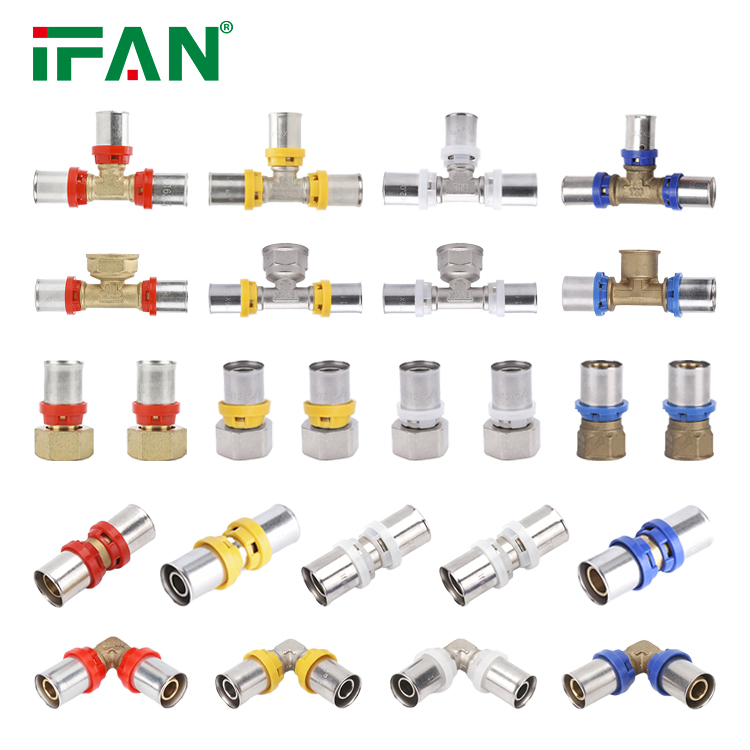
4.PEX fitting

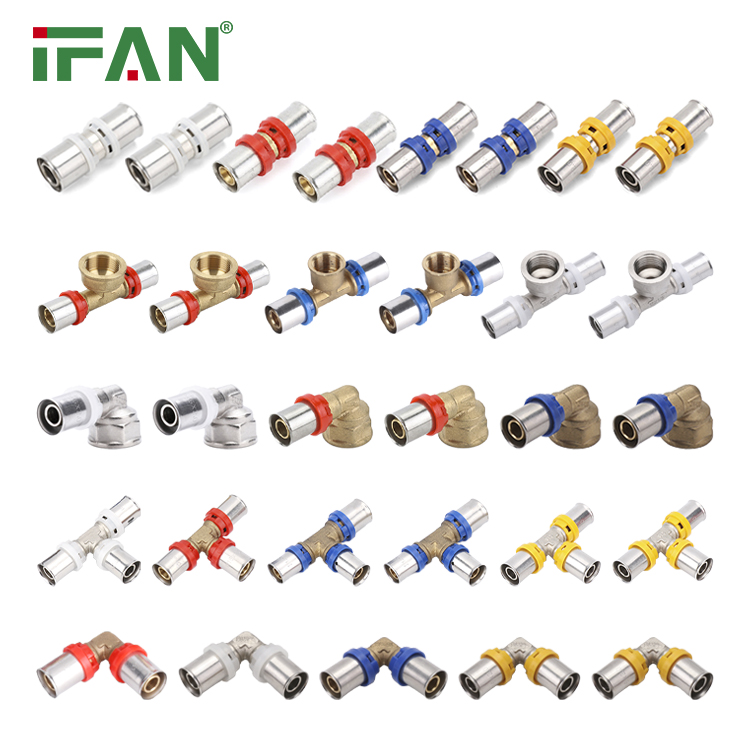
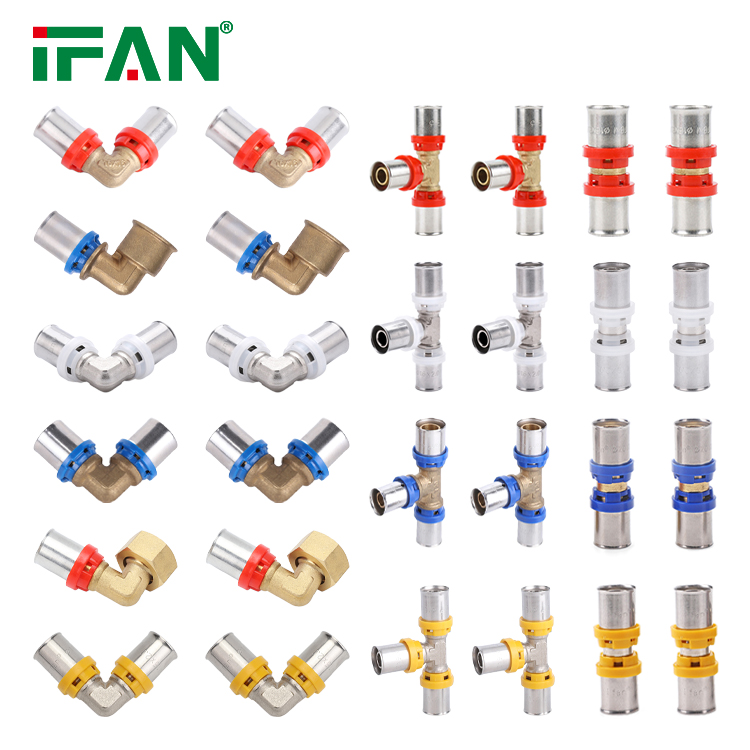
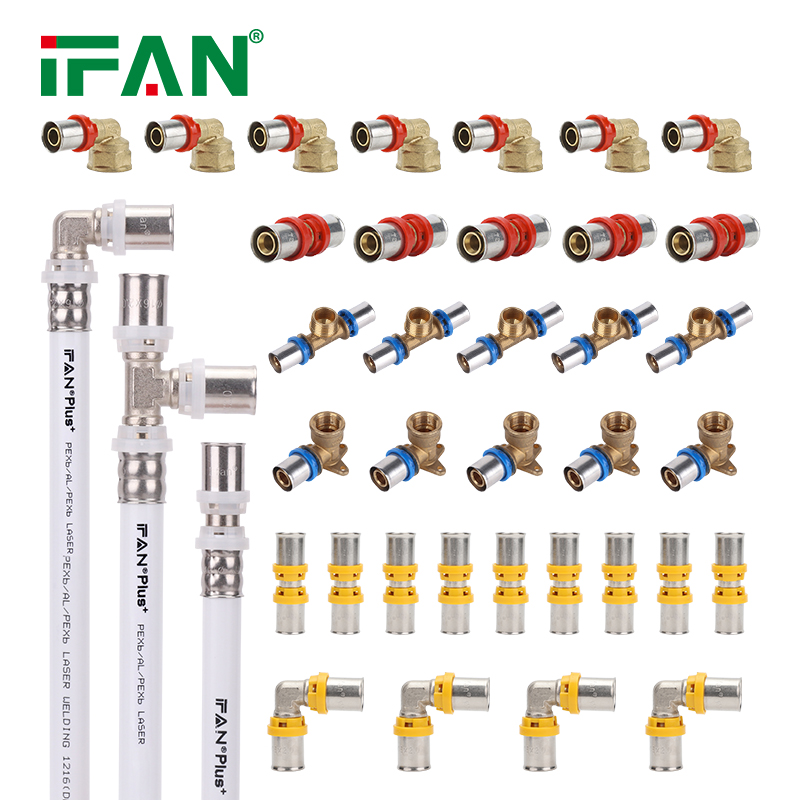
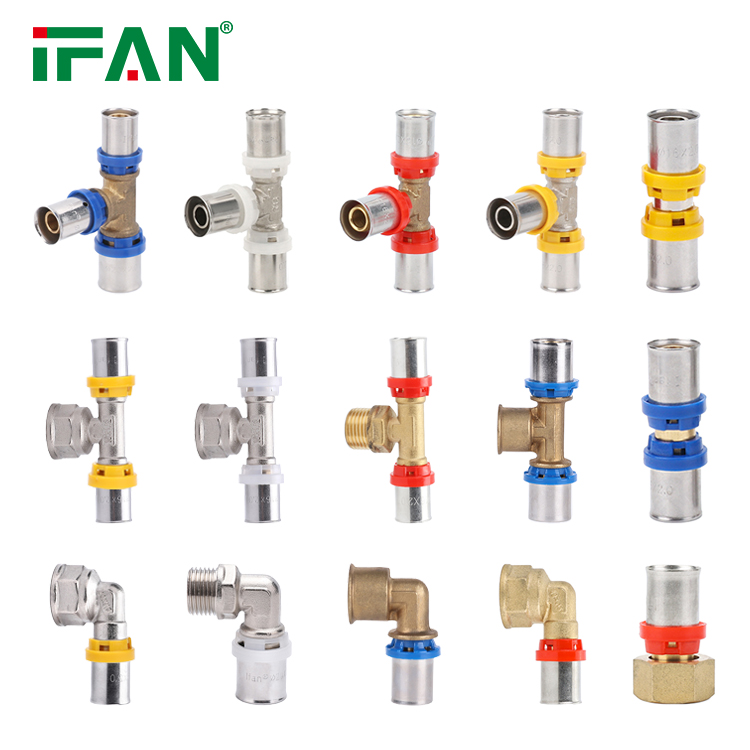
PEX fittings are available in various types and sizes. Make sure to choose the right fitting for your specific application.

5.Deburring tool

A deburring tool is used to remove any rough edges or burrs from the cut end of the PEX tubing, which helps ensure a proper seal.

6.Measuring tape

A measuring tape is used to measure the length of PEX tubing needed for the installation.

7.Marker or pencil

A marker or pencil is used to mark the length of PEX tubing to be cut.

8.Safety glasses

Safety glasses should be worn to protect your eyes from any debris that may be generated during the installation process.

Note: Some PEX fittings come with a pre-assembled crimp ring, eliminating the need for a separate copper crimp ring and crimping tool. Be sure to check the manufacturer’s instructions for the specific tools required for your PEX fitting.
Share:

Facebook
Twitter
Pinterest
LinkedIn

Leave a Comment

Your email address will not be published. Required fields are marked *

On Key

Related Posts

PPR Copper Composite Pipes for Hot/Cold Water — Why IFAN’s Version Hits Different

What Exactly Is This Pipe? A PPR copper composite pipe is basically “copper inside, PPR outside.” The inner layer is seamless pure copper that water touches directly, while the outer layer is PPR material bonded through hot-melt technology. You get copper’s antibacterial benefits without paying full copper prices or dealing with copper installation headaches. IFAN

Leak Proof Seals with Copper Insert PPR: IFAN Actually Holds Up

Let me be real with you — after years of working with pipe systems, the thing I fear most is leaking copper insert PPR fittings. Think about it: plastic and metal are not natural partners. They expand and contract at completely different rates, and over time the joint loosens up. Water seeps out slowly. By

Grey PPR Push Fittings vs Traditional Welding

Grey PPR Push Fittings vs Traditional Hot Melt Welding – Which One Actually Wins? 1. Bottom Line First: Push Fittings Aren’t a “Backup” Anymore — They’re an Upgrade After years in the piping industry, one thing is crystal clear: more and more projects are switching from hot melt welding to push fittings. It’s not that

Get Free Quote NOW