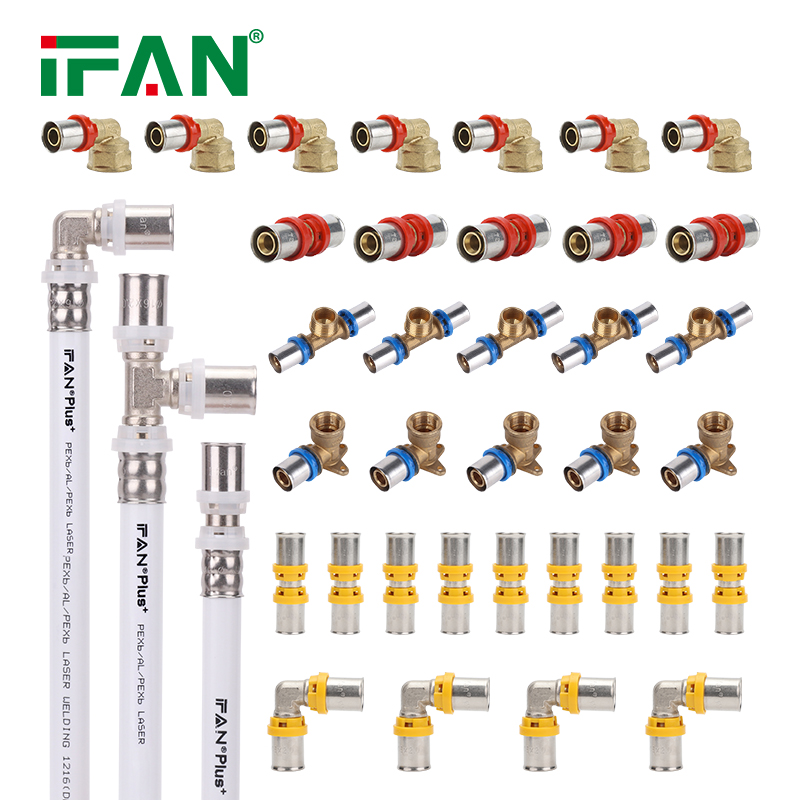
Gluing a PVC pipe involves using a specialized adhesive or cement that chemically bonds the pipe and fittings together. Here are the steps to follow:
- Cut the PVC pipe to the desired length using a saw. Use a deburring tool or sandpaper to remove any rough edges or burrs.
- Clean the surfaces of the pipe and fitting thoroughly with a cleaner specifically designed for PVC materials. This will ensure that there is no dirt, grease, or oil that could interfere with the bonding process.
- Apply the PVC cement to both the pipe and fitting surfaces evenly and quickly. Make sure to apply enough cement to coat the entire surface area where the pipe will be inserted into the fitting.
- Insert the pipe into the fitting while twisting it slightly to spread the cement evenly. Hold the joint together firmly for at least 30 seconds to allow the cement to set.
- Wipe away any excess cement using a clean cloth and allow the joint to dry for at least an hour before using it.
It’s important to follow the manufacturer’s instructions on the cement label carefully as each product may have specific requirements for application and curing times. Additionally, it’s important to wear gloves and eye protection while working with PVC cement.
What type of adhesive is best for gluing PVC pipes together?
The best adhesive for gluing PVC pipes together is PVC cement. PVC cement is a solvent-based adhesive that chemically bonds the two pieces of PVC together. It works by softening the surface of the PVC, allowing the molecules to intermingle and fuse together as the solvent evaporates. The bond created by PVC cement is strong, durable, and resistant to chemicals and water. It’s important to follow the manufacturer’s instructions carefully when using PVC cement, including cleaning and priming the surfaces to be bonded before applying the adhesive. It’s also important to use appropriate safety precautions, such as wearing gloves and working in a well-ventilated area.
Can I use PVC glue to repair a cracked PVC pipe?
Yes, you can use PVC glue to repair a cracked PVC pipe, but it depends on the extent of the damage and the size of the crack. If the crack is small, then applying PVC glue to the affected area may be enough to seal the crack. However, if the crack is large or the pipe is severely damaged, then PVC glue alone may not be sufficient.
It is also important to note that PVC glue is designed to bond two pieces of PVC together, not to fill gaps or holes. So, if the crack is too big, patching up the hole with epoxy putty or using a rubber patch may be a better option.
Regardless of the method used, it is crucial to ensure that the pipe is completely dry and clean before attempting any repairs. Additionally, it is advisable to seek professional help if you are unsure about how to proceed or if the damage is extensive.