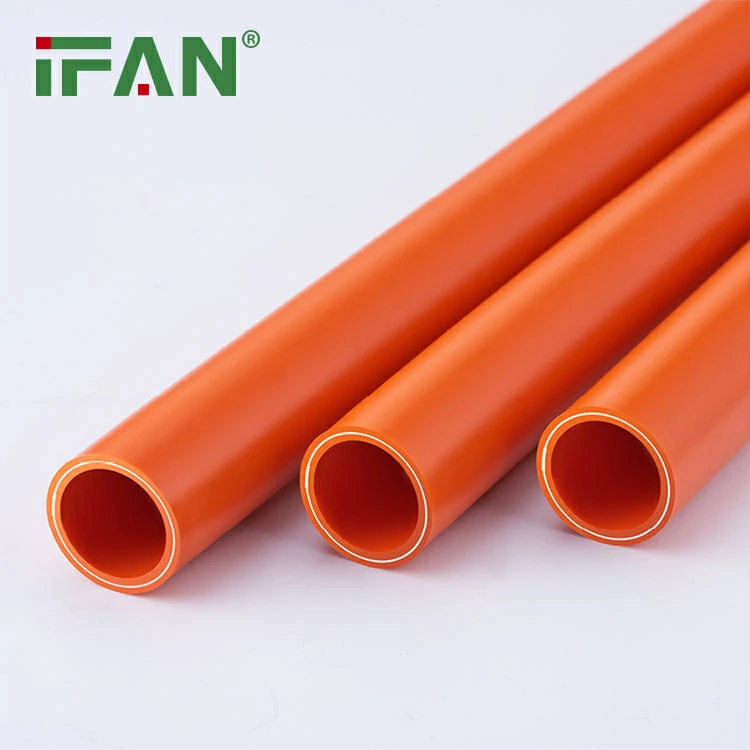
Plastic Polypropylene Homopolymer (PPH) piping systems are commonly used in ventilation installations due to their lightweight, chemical resistance, and cost-effectiveness. PPH fittings form an integral part of these systems, providing reliable, durable, and flexible connections between piping components. In this article, we examine the main characteristics of PPH fittings and their applications in ventilation systems.
Chemical Resistance
One of the key benefits of PPH fittings is their excellent chemical resistance. In a ventilation system, the fittings are exposed to various gases and contaminants that can cause corrosion and deterioration. However, PPH fittings are highly resistant to a broad range of chemicals, including acids, alkalis, solvents, and organic compounds. As a result, they do not degrade over time and maintain their structural integrity and functional performance even in harsh environments. This makes PPH fittings ideal for use in chemical manufacturing, pharmaceuticals, and other industrial settings where chemical exposure is high.
High Temperature Resistance
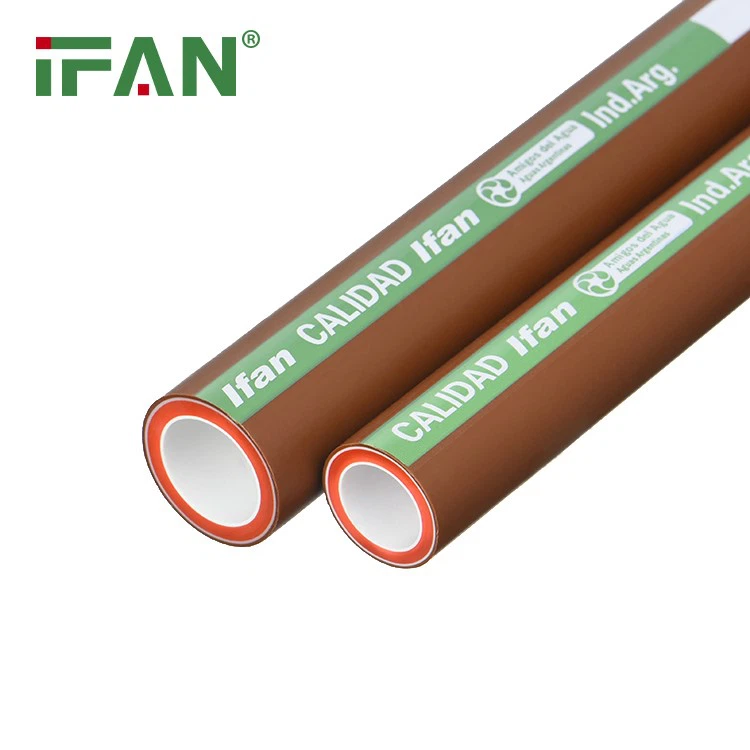
PPH fittings also exhibit exceptional thermal resistance. They can withstand temperatures of up to 80°C without deformation or mechanical failure. This feature is particularly useful in ventilation systems that require high-temperature resistance to prevent heat buildup and system failure. For instance, in commercial kitchens and laboratories, PPH fittings are commonly used to connect exhaust hoods and ducts that carry hot air and fumes.
Cost-Effectiveness
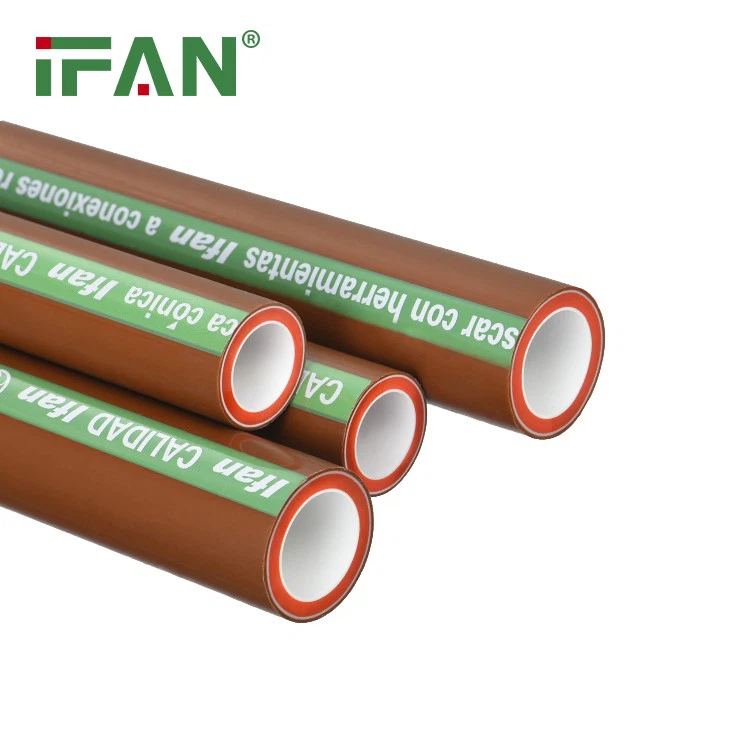
Compared to other materials such as stainless steel or copper, PPH fittings offer a cost-effective solution for ventilation systems. They are relatively inexpensive to manufacture and install, reducing the overall system cost. Additionally, PPH fittings require minimal maintenance and repair, ensuring a low total cost of ownership over the system’s lifecycle.
Applications Of PPH Fittings In Ventilation Systems
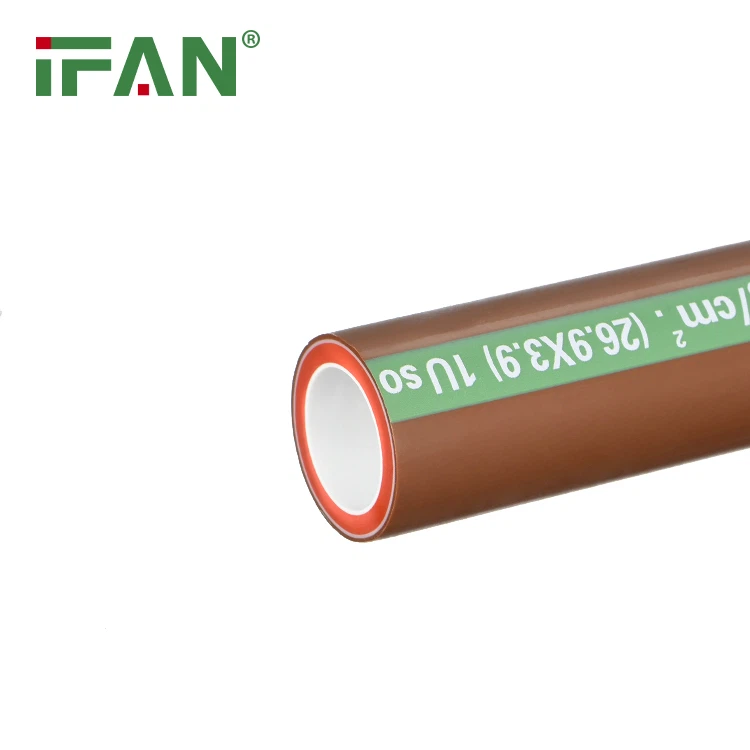
PPH fittings are versatile components that have a wide range of applications in ventilation systems. Some of the common uses of PPH fittings in ventilation include the following:
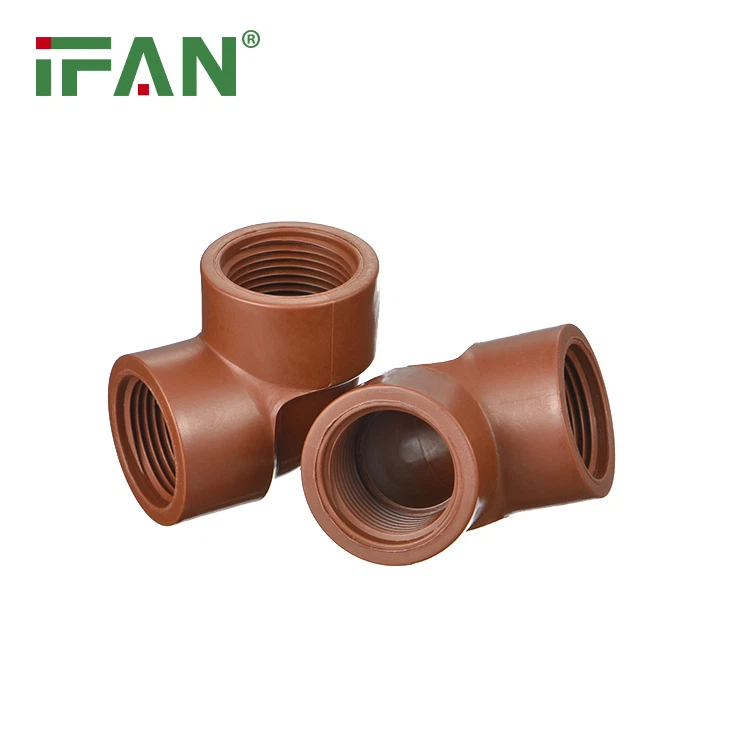
– Connecting ducts: PPH fittings are used to connect ventilation ducts, ensuring a tight and reliable seal. They are available in a range of shapes and sizes, such as elbows, tees, couplings, and reducers.
– Connecting exhaust hoods: In commercial kitchens and laboratories, PPH fittings are used to connect exhaust hoods to ducts, ensuring efficient and safe extraction of fumes, smoke, and heat. PPH fittings provide high-temperature resistance and chemical resistance necessary for such applications.
– Connecting air handling units: PPH fittings are used to connect air handling units to ducts, ensuring a smooth and economical airflow. These fittings help to minimize pressure drops and increase system efficiency.
– Connecting filters: In ventilation systems that require air filtration, PPH fittings are used to connect filters to ductwork. These fittings provide a leak-proof seal and ensure efficient air filtration.
– Connecting ventilation fans: PPH fittings are used to connect ventilation fans to ductwork, ensuring a smooth and efficient airflow. These fittings help to reduce noise levels and vibrations.
Conclusion
PPH fittings are key components in ventilation systems, providing reliable and durable connections between piping components. Their chemical resistance, high-temperature resistance, flexibility, durability, and cost-effectiveness make them a popular choice in various industrial and commercial applications. When properly installed and maintained, PPH fittings can ensure long-lasting, efficient, and safe ventilation systems.