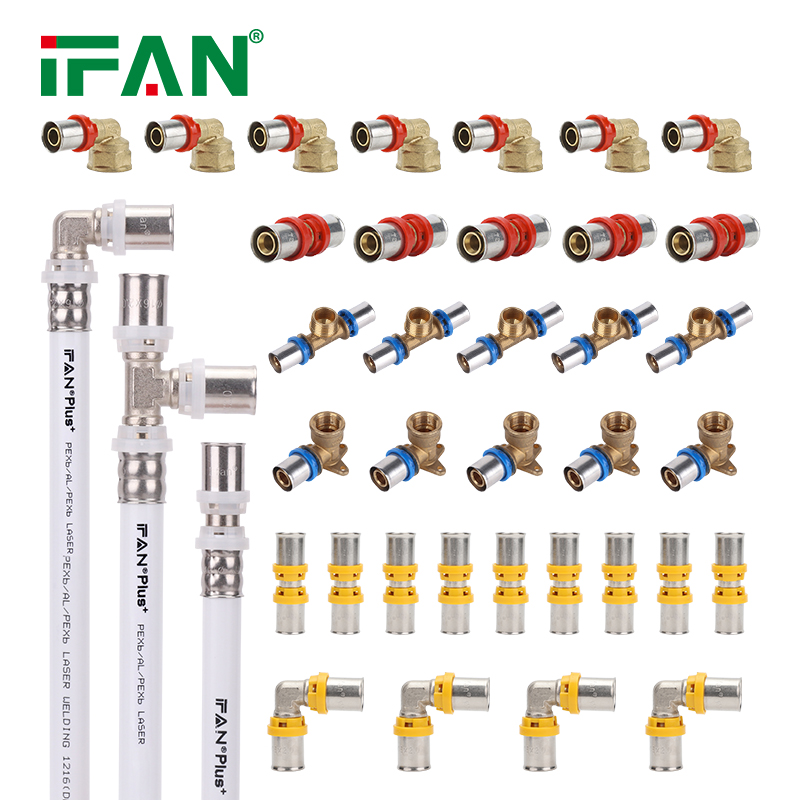
Pressure is an essential factor to consider in any plastic pipe system. It plays a significant role in determining the durability and overall functionality of the system. Understanding and effectively managing the pressure within your plastic pipe system is crucial for maintaining its integrity and preventing potential issues.
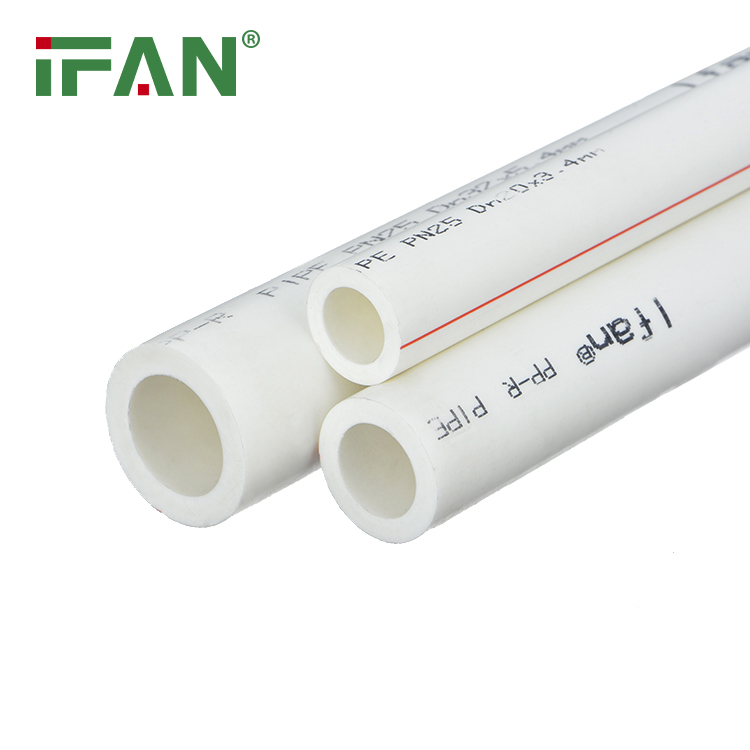
In a plastic pipe system, pressure refers to the force exerted by the fluid flowing through the pipes. It is measured in units such as pounds per square inch (psi) or bars. The pressure within a system can vary depending on various factors such as the type of fluid, the diameter and thickness of the pipes, as well as the design and layout of the system.
One of the primary purposes of having a plastic pipe system is to transport fluids under certain pressure conditions. Whether it is water, gas, or chemicals, the pressure within the pipes needs to be carefully managed to ensure smooth and efficient flow. Insufficient pressure can lead to inadequate flow rates, while excessive pressure can cause leaks, bursts, or even the failure of the entire system.
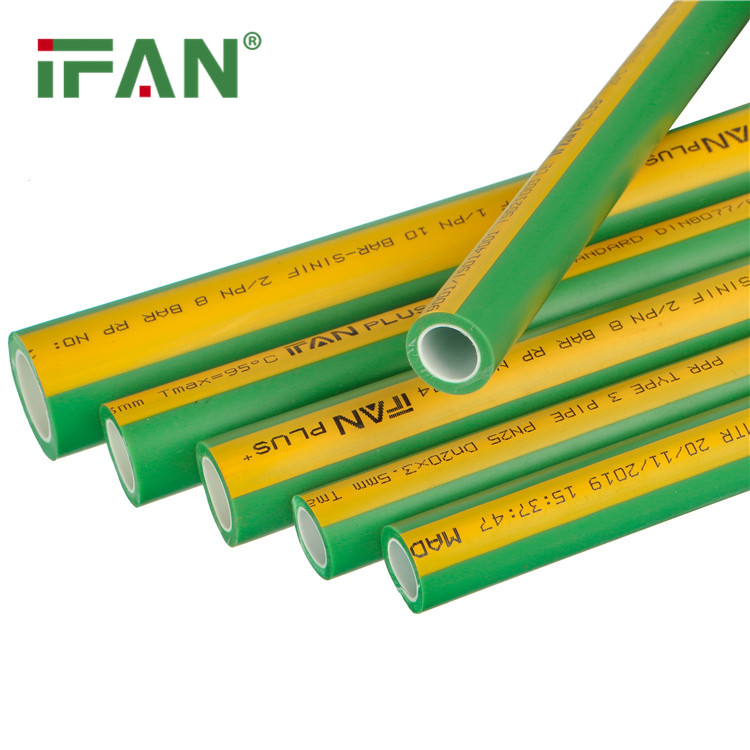
Determining the required pressure for your plastic pipe system involves considering several factors. Firstly, the type of fluid being transported is crucial. Different fluids have different pressure requirements to ensure proper flow. For example, a water supply system may require higher pressure compared to a drainage system.
The diameter and thickness of the pipes also play a significant role in determining the pressure capabilities of the system. Thicker pipes can withstand higher pressure, while narrower pipes have lower pressure capacity. It is essential to select the appropriate pipe dimensions based on the desired pressure levels to ensure the system’s long-term functionality.
The design and layout of the plastic pipe system are also critical factors to consider. Proper design and planning can help optimize the pressure distribution throughout the system. Factors such as the proximity of valves, fittings, and bends can impact the pressure at different points along the pipeline. It is important to ensure that the system is designed in a way that minimizes pressure drops and maintains a consistent pressure profile.
Regular monitoring and maintenance of the pressure within your plastic pipe system are vital to its longevity. Periodic pressure tests can help identify any potential problems, such as leaks or blockages, and allow for timely repairs or adjustments. It is also crucial to adhere to specific pressure limits recommended by the pipe manufacturers to avoid overloading the pipes and compromising their structural integrity.
In conclusion
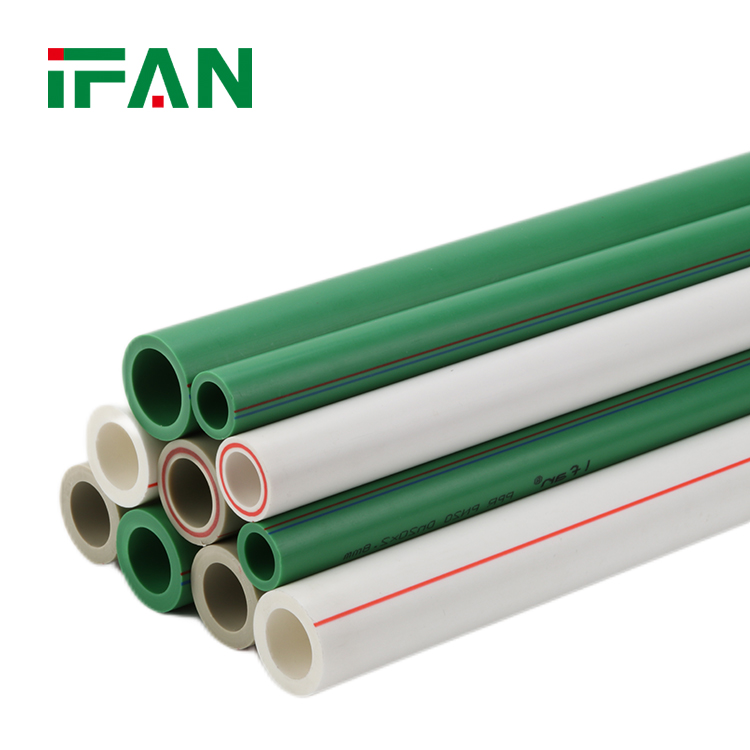
Pressure is an integral aspect of any plastic pipe system. Proper management and understanding of the pressure within the system are crucial for ensuring its functionality and durability. By considering factors such as the type of fluid, pipe dimensions, and system design, you can effectively determine and maintain the appropriate pressure levels within your plastic pipe system. Regular monitoring and maintenance further contribute to the system’s longevity and efficiency. Remember, to keep your plastic pipe system running smoothly, always keep the pressure under control.