Stainless steel hoses have become increasingly popular over the years owing to their numerous benefits. Unlike conventional hoses, stainless steel hoses are made from high-quality materials that offer unparalleled durability, resistance to corrosion and longevity. They are designed for use in a wide range of applications across various industries, including but not limited to food and beverage, chemical, pharmaceutical, automotive, and aerospace. Here are some of the key benefits of a stainless steel hose.
- Durability
One of the most significant benefits of a stainless steel hose is its durability. These hoses are built to last, and they can withstand harsh conditions such as high temperatures, aggressive chemicals, and even heavy impacts. Stainless steel is a tough material that resists wear and tear, and it can protect the hose from damage caused by corrosion, abrasion, and vibration.
- Corrosion resistance
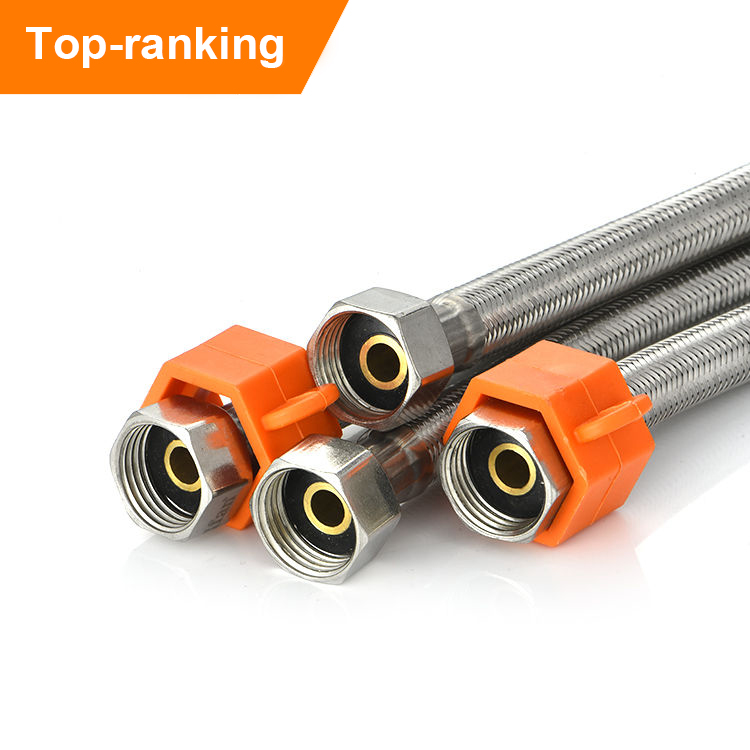
Stainless steel is a highly resistant material that can withstand corrosion caused by harsh environments. Stainless steel hoses are ideal for use in situations where fluids and gases are transferred in corrosive environments, such as in chemical plants and oil refineries. They are also ideal for food and beverage industries where hygiene is a paramount concern.
- High-temperature resistance
Stainless steel hoses can withstand high temperatures, making them ideal for use in high-temperature applications. The material can withstand temperatures of up to 750 degrees Celsius, which makes them ideal for use in environments that require high heat resistance, such as the metallurgical and aerospace industries.
- Flexibility
Stainless steel hoses are designed to be flexible, which makes them easy to install and use. They can bend and twist easily without kinking or losing their structural integrity. Additionally, they are more resistant to fatiguing and repetitive flexing than their counterparts, which makes them more durable and long-lasting.
- Safety
Stainless steel hoses are widely considered to be safe by industry standards. They are designed to handle a wide range of fluids and gases at high pressures, without the risk of rupturing or leaking. They are also ideal for use in high-pressure applications, such as hydraulic lines and gas lines.
- Cleanliness
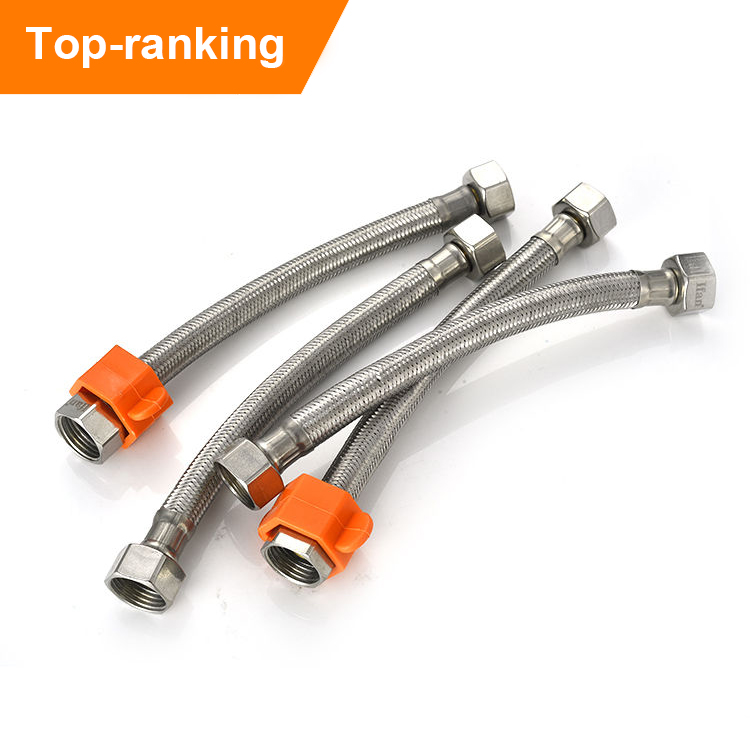
Stainless steel hoses are ideal for use in applications that require a high level of sanitation. They are easy to clean, and the smooth surface of the material ensures that bacteria and other pathogens cannot accumulate on their surface. This makes it easier to maintain hygiene levels in sensitive industries such as food and beverage and pharmaceuticals.
- Cost-effective
While stainless steel hoses may seem expensive upfront, they offer a clear cost advantage in the long run. They are highly durable and can last up to ten times longer than other types of hoses, which means that their replacement costs are significantly reduced. Additionally, their resistance to damage and wear and tear means that maintenance costs are low.
- Customization
Stainless steel hoses can be customized to meet specific application requirements. This means that they can be tailored to meet unique industry applications and can be made to fit specific equipment or machinery. Customization can help to improve efficiency and functionality while reducing downtime and maintenance costs.
In conclusion
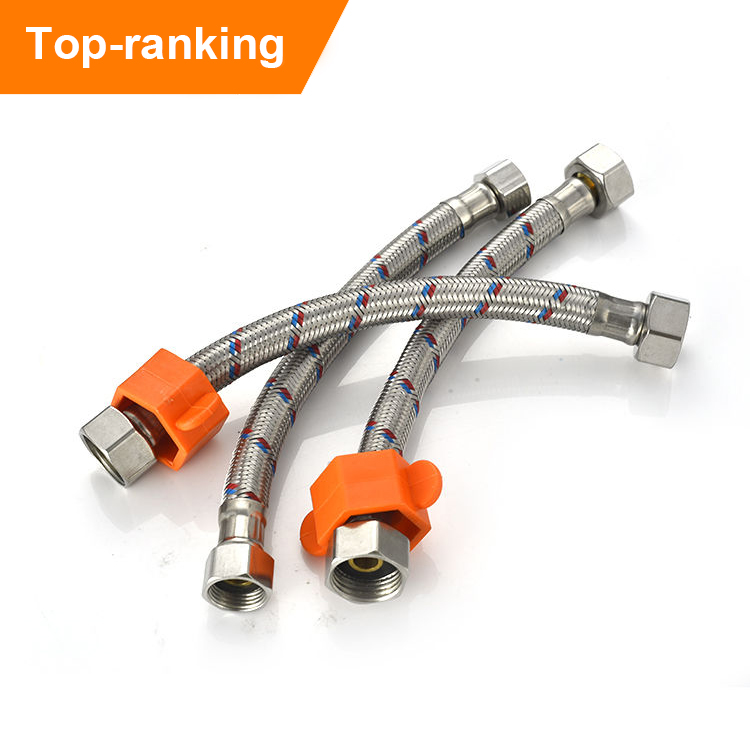
Stainless steel hoses offer a wide range of benefits across various industries. From durability and resistance to harsh conditions to high temperature and pressure resistance, stainless steel hoses offer a superior performance compared to other types of hoses. They are also easy to maintain, cost-effective, and customizable to meet specific application requirements. As industries continue to evolve, the need for reliable and durable hoses is more critical than ever. Stainless steel hoses provide an ideal solution to meet this need, owing to their numerous benefits.