The Impact of PPR Fiberglass Pipes on Water Quality
Introduction
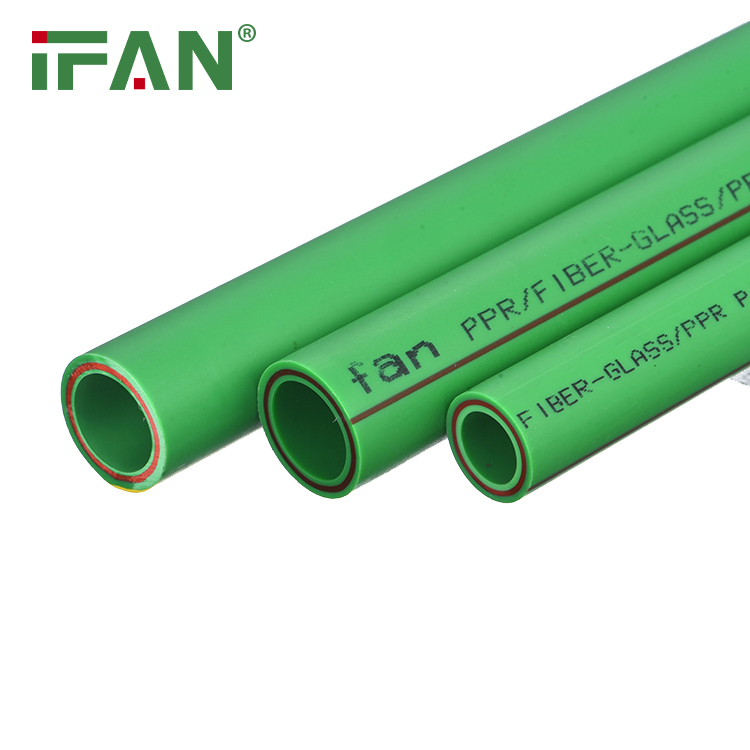
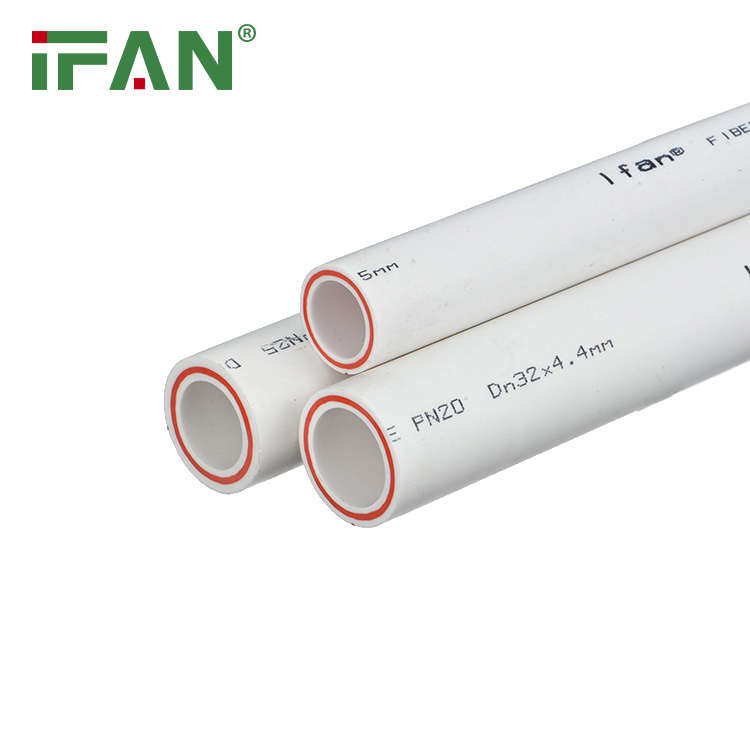
PPR (Polypropylene Random Copolymer) fiberglass pipes have become increasingly popular in the water distribution industry due to their numerous advantages and positive impact on water quality. In this article, we will explore the key reasons why PPR fiberglass pipes are instrumental in maintaining and improving water quality. Let’s break down each section into separate headings.
1. Non-Toxic Material
PPR fiberglass pipes are made from non-toxic materials, making them an excellent choice for transporting potable water. Unlike some other piping materials, these pipes do not leach harmful chemicals or contaminants into the water. This ensures that the water remains clean and safe for consumption, promoting high water quality and protecting public health.
2. Resistance to Corrosion and Scaling
PPR fiberglass pipes exhibit high resistance to corrosion and scaling, two common issues that can degrade water quality. Corrosion and scaling in pipes can introduce impurities and contaminants into the water supply, affecting its taste, odor, and overall quality. The corrosion and scaling resistance of PPR fiberglass pipes ensure that the water flowing through them remains free from such impurities, contributing to superior water quality.
3. Smooth Inner Surface
One of the notable features of PPR fiberglass pipes is their exceptionally smooth inner surface. This smoothness minimizes friction and turbulence within the pipes, reducing the likelihood of sediment accumulation, biofilm formation, and bacterial growth. By preventing the build-up of contaminants, PPR fiberglass pipes help maintain the excellent quality of water flowing through the distribution system.
4. Thermal Stability
PPR fiberglass pipes exhibit excellent thermal stability, making them suitable for the transportation of water at varying temperatures. These pipes can withstand temperature fluctuations without compromising water quality. By maintaining their structural integrity under different temperature conditions, PPR fiberglass pipes ensure that the water remains unaffected by the pipe material, preventing any degradation or release of harmful substances that could contaminate the water supply.
5. Easy Maintenance and Cleaning
Maintaining clean and safe water requires regular maintenance and cleaning of the distribution system. PPR fiberglass pipes offer advantages in this regard as well. Their smooth inner surface allows for easy removal of accumulated debris, sediments, or biofilms. Additionally, the absence of corrosion and scaling simplifies the cleaning process, ensuring that the water remains uncontaminated and of excellent quality.
6. Long Lifespan
PPR fiberglass pipes have a long lifespan compared to many other piping materials. This durability significantly reduces the need for frequent replacements, minimizing disruptions in the water supply and potential contamination during installation or repair processes. The prolonged lifespan of PPR fiberglass pipes contributes to the sustained quality of the water supply, ensuring its safety and reliability over an extended period.
Conclusion
In conclusion, PPR fiberglass pipes have a significant positive impact on water quality. Their non-toxic material, resistance to corrosion and scaling, smooth inner surface, thermal stability, easy maintenance and cleaning, and long lifespan collectively contribute to the preservation and improvement of water quality. By using PPR fiberglass pipes, water distribution systems can provide clean and safe water, free from contaminants and pollutants, ensuring the well-being of communities and promoting high standards of water quality.