PPR Fittings vs. Traditional Plumbing Materials: A Comparison
Introduction
When it comes to plumbing systems, the choice of materials is crucial. PPR fittings and traditional plumbing materials each have their own set of characteristics and advantages. In this article, we will compare PPR fittings with traditional plumbing materials, highlighting their differences and helping you make an informed decision. Let’s explore this comparison in detail.
1. Durability and Longevity
Traditional plumbing materials, such as copper or galvanized steel, are known for their durability. However, PPR fittings offer comparable or even superior durability. Made from polypropylene random copolymer, PPR fittings are resistant to corrosion, chemicals, and extreme temperatures. They are less prone to rust and scale buildup, ensuring a longer lifespan and minimizing maintenance requirements.
2. Installation Ease and Flexibility
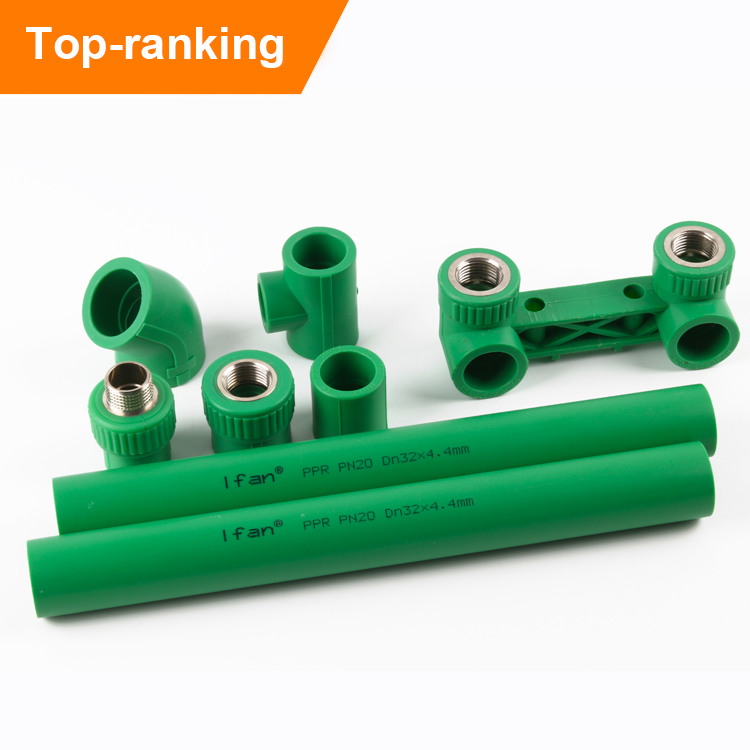
One of the significant advantages of PPR fittings over traditional materials is their ease of installation. PPR fittings are lightweight, making them easy to handle and manipulate during the installation process. They can be easily cut and joined using heat fusion, eliminating the need for complex soldering or threading techniques required with traditional materials. Moreover, PPR fittings offer flexibility, allowing for easy adaptability and modification during plumbing system changes or renovations.
3. Leak-Proof Joints
Leakage is a common concern in plumbing systems. Traditional plumbing materials often require additional sealing methods, such as soldering or threading, to ensure leak-proof joints. In contrast, PPR fittings provide inherently leak-proof joints. Through heat fusion, the PPR pipe and fitting are fused together, creating a strong and seamless connection that is resistant to leaks. This eliminates the risk of potential leaks at joints and reduces the need for extra sealing measures.
4. Cost Effectiveness
Cost is an important consideration for any plumbing project. While traditional materials may have lower initial costs, PPR fittings offer long-term cost savings. Due to their durability and resistance to corrosion, PPR fittings have significantly reduced maintenance and repair requirements. They do not experience issues like rust, scale buildup, or degradation over time, resulting in minimal expenses for replacements or repairs.
5. Chemical Resistance and Water Quality
Traditional plumbing materials, such as copper, may interact with certain water conditions, affecting water quality. Copper pipes can leach copper into the water, leading to metallic taste and potential health concerns. PPR fittings, on the other hand, are chemically inert and do not affect water quality. They provide a safe and reliable plumbing solution, ensuring clean and uncontaminated water supply.
6. Thermal Insulation and Energy Efficiency
PPR fittings offer excellent thermal insulation properties, which can contribute to energy efficiency in plumbing systems. Compared to traditional materials, PPR fittings help minimize heat loss during hot water distribution, reducing energy consumption and lowering utility bills. The superior thermal insulation properties of PPR fittings make them a preferred choice for energy-conscious plumbing installations.
Conclusion
When comparing PPR fittings with traditional plumbing materials, it becomes clear that PPR fittings offer numerous advantages. They provide comparable or superior durability, ease of installation, leak-proof joints, cost-effectiveness, chemical resistance, and thermal insulation properties. While traditional materials have their merits, PPR fittings offer a modern and reliable plumbing solution that meets the demands of today’s plumbing systems. Consider the specific requirements of your plumbing project and make an informed decision based on the benefits and characteristics offered by PPR fittings.