Maintenance Tips for Brass Fittings
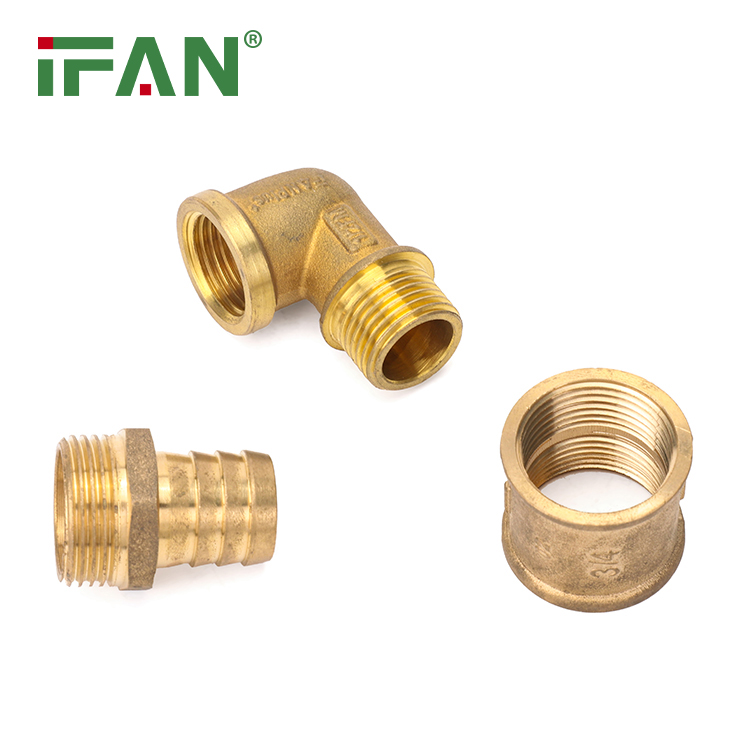
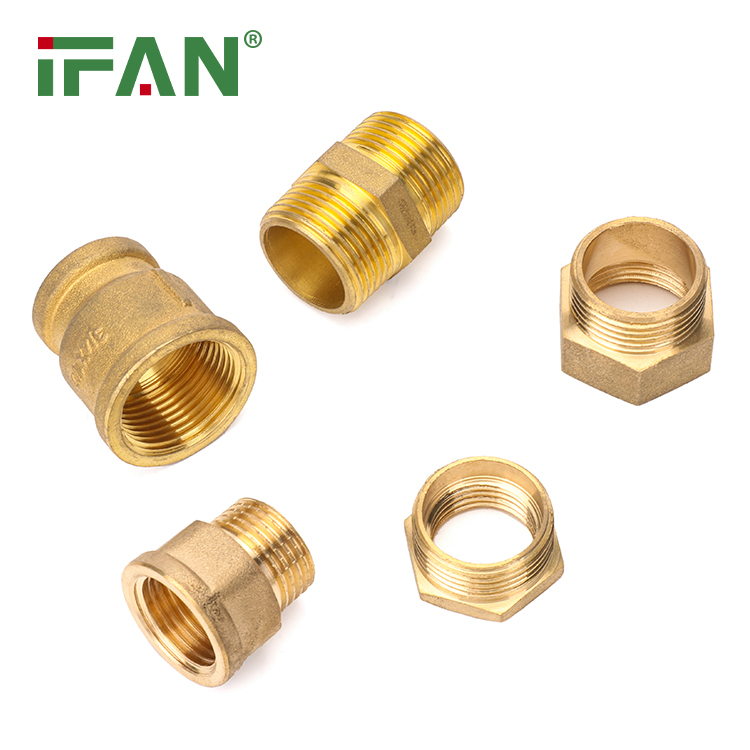
Brass fittings are widely used in plumbing and electrical applications due to their durability and corrosion resistance. To ensure the longevity and optimal performance of brass fittings, proper maintenance is essential. Here are some maintenance tips divided into subheadings:
1. Regular Cleaning
Regular cleaning is crucial to prevent the buildup of dirt, grime, and oxidation on brass fittings. To clean brass fittings, use a mild soap or dish detergent mixed with warm water. Gently scrub the fittings with a soft cloth or sponge to remove any debris or stains. Avoid using abrasive cleaners or harsh chemicals as they can damage the brass surface.
2. Polishing
Over time, brass fittings may develop a tarnished appearance. Polishing the fittings can restore their shine and luster. Use a commercial brass cleaner or create a homemade solution using vinegar and salt. Apply the cleaner onto a soft cloth and gently rub the fittings in a circular motion. Rinse with water and dry thoroughly to avoid water spots.
3. Lubrication
To prevent brass fittings from sticking or seizing, it is recommended to apply a lubricant. Use a specialized brass lubricant or a silicone-based lubricant. Apply a small amount of lubricant to the fittings, ensuring even coverage. This helps reduce friction and allows for easy disassembly if required.
4. Avoid Harsh Environments
Brass fittings are susceptible to damage in harsh environments. Avoid exposing them to extreme temperatures, direct sunlight, excessive moisture, or chemicals. Extreme heat can cause brass to soften or deform, while excessive moisture or exposure to chemicals can lead to corrosion or tarnishing. Protect brass fittings by installing them in appropriate locations and using protective coatings if necessary.
5. Inspect for Leaks and Damage
Regularly inspect brass fittings for any signs of leaks or damage. Check for water drips, corrosion, loose connections, or cracks. Promptly address any issues by tightening connections, replacing damaged fittings, or applying sealants if needed. Early detection and repair can prevent further damage and ensure the longevity of the fittings.
Conclusion
By following these maintenance tips, you can enhance the lifespan and performance of brass fittings. Regular cleaning, polishing, lubrication, avoiding harsh environments, and conducting routine inspections will help keep your brass fittings in optimal condition. Proper maintenance ensures the reliability and functionality of brass fittings in various plumbing and electrical systems.