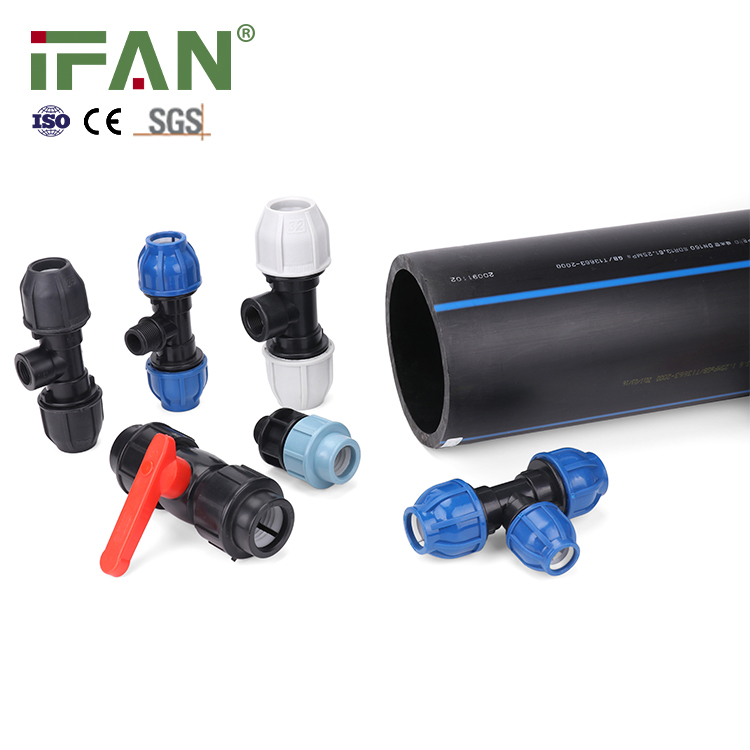
Efficient and Cost-Effective HDPE Fittings for Your Business
In today’s fast-paced business world, efficiency is the key to success. To stay competitive, businesses need to find innovative ways to cut costs while still delivering high quality products and services. One area where businesses can achieve efficiency and cost-effectiveness is in their choice of HDPE fittings.
HDPE (high-density polyethylene) fittings are widely used by businesses in various industries, such as construction, water treatment, and agriculture. One of the main advantages of HDPE fittings is their durability and strength, making them ideal for use in harsh environments and for demanding applications. Additionally, HDPE fittings are lightweight and easy to install, which reduces labor costs and installation time.
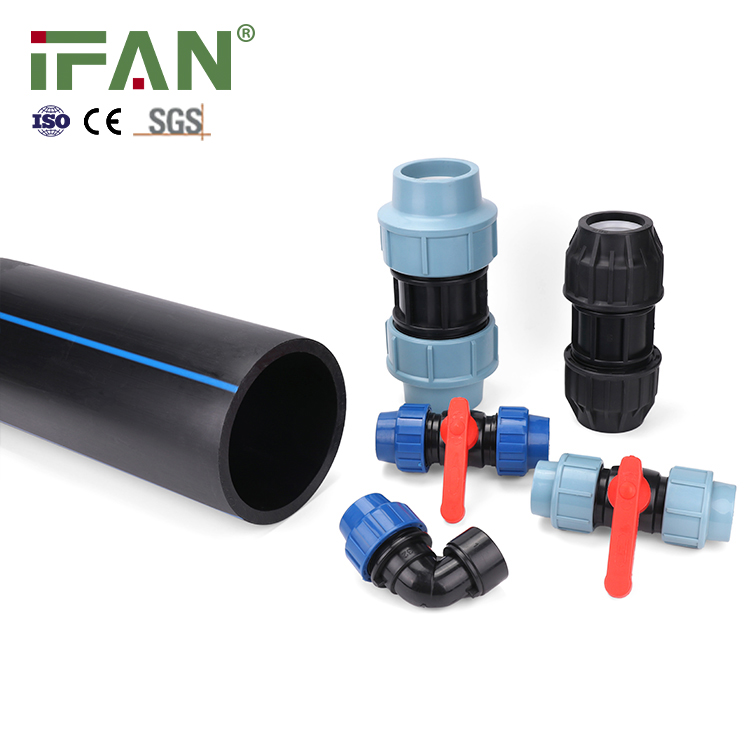
Another important aspect of HDPE fittings is their cost-effectiveness. Compared to other materials, such as PVC or metal, HDPE fittings are often less expensive and require less maintenance over the long term. This is because HDPE fittings are resistant to corrosion, chemicals, and UV radiation, which means they can last for many years without needing to be replaced. This results in lower replacement and repair costs over the lifetime of the fittings.
Efficiency is also a critical factor when it comes to HDPE fittings. Because they are lightweight and easy to install, HDPE fittings can be quickly and easily installed, reducing labor costs and installation time. Additionally, HDPE fittings can be produced in larger diameters than many other materials, reducing the number of fittings needed for a particular project. This not only saves money but also reduces the risk of leaks and other problems that can arise from having too many fittings.
At the end of the day, choosing efficient and cost-effective HDPE fittings is an excellent way to keep your business competitive. With their durability, strength, and resistance to environmental factors, along with their ease of installation and long lifespan, HDPE fittings can help your business stay ahead of the game while reducing costs and improving efficiency. So, why not consider HDPE fittings for your next project and enjoy the many benefits they have to offer?