As society becomes more conscious of the impact we have on our planet, industries across the board are making changes to become more eco-friendly. The plumbing industry is no exception, and we’re seeing an exciting new development in the form of plastic bibcocks. In this article, we’ll explore what plastic bibcocks are, why they’re innovative, and how they can benefit the environment.
What are plastic bibcocks?
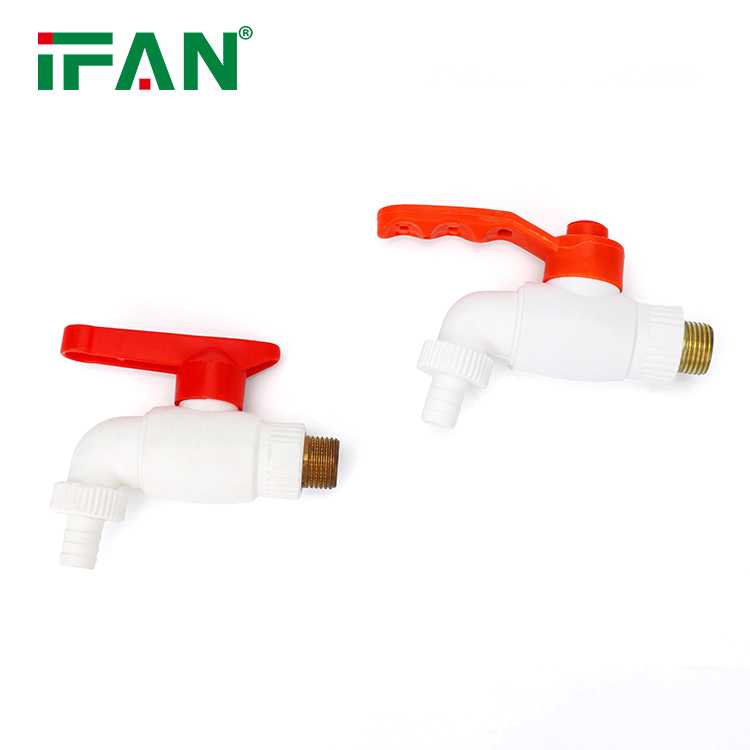
First, let’s define what a bibcock is. A bibcock is a type of valve used in plumbing that controls the flow of water. It features a simple design that consists of a spout and a handle or knob to turn the water on and off. Traditionally, bibcocks have been made of metal, such as brass or stainless steel.
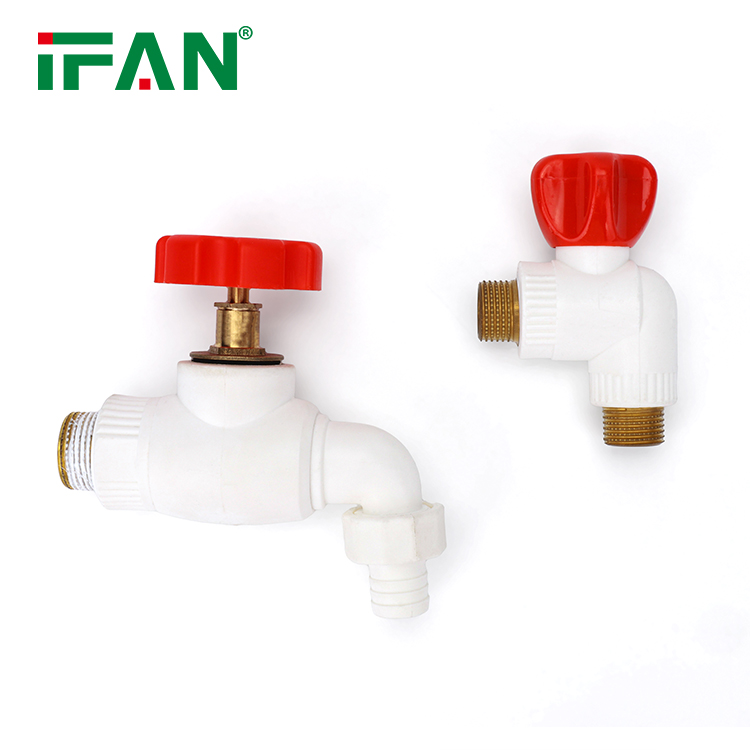
However, plastic bibcocks are a new alternative that are gaining popularity in the plumbing industry. These bibcocks are made of durable plastic materials that make them a more eco-friendly option.
Why are plastic bibcocks innovative?
Plastic bibcocks are innovative for a few reasons. One, they are made of environmentally friendly materials. Unlike traditional metal bibcocks, plastic bibcocks don’t require the use of environmentally harmful metals to make.
Second, plastic bibcocks are lightweight and easy to install. This makes them an excellent option for DIY plumbing projects, where heavy metal components could be challenging to work with.
Third, plastic bibcocks are corrosion-resistant. This is a significant advantage over traditional metal bibcocks, which can corrode and rust over time. Corrosion can cause leaks and other plumbing issues, leading to expensive repairs and even water damage. Plastic bibcocks are a more durable and long-lasting alternative.
How can plastic bibcocks benefit the environment?
Plastic bibcocks have several benefits for the environment. First, they require fewer resources to manufacture than traditional metal bibcocks. This means that less energy is used in production, which helps reduce carbon emissions and other environmental impacts.
Second, plastic bibcocks are recyclable. This means that once they reach the end of their useful life, they can be recycled and used again to make new plastic products.
Overall, plastic bibcocks are an innovative and eco-friendly option for those in the plumbing industry. They are durable, lightweight, and corrosion-resistant, making them an excellent alternative to traditional metal bibcocks. By switching to plastic bibcocks, we can work towards a more sustainable future, one where we prioritize the health of our planet alongside our own needs and wants.