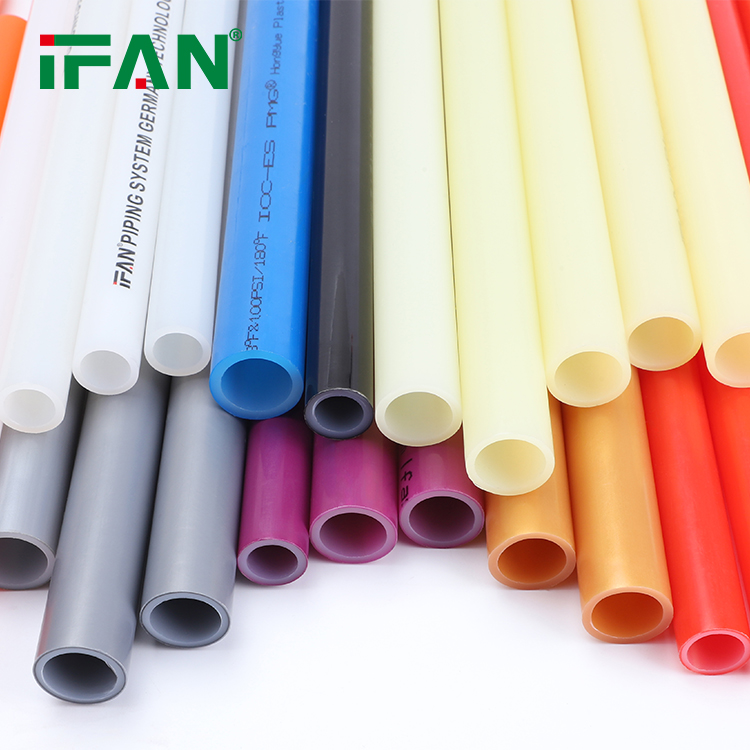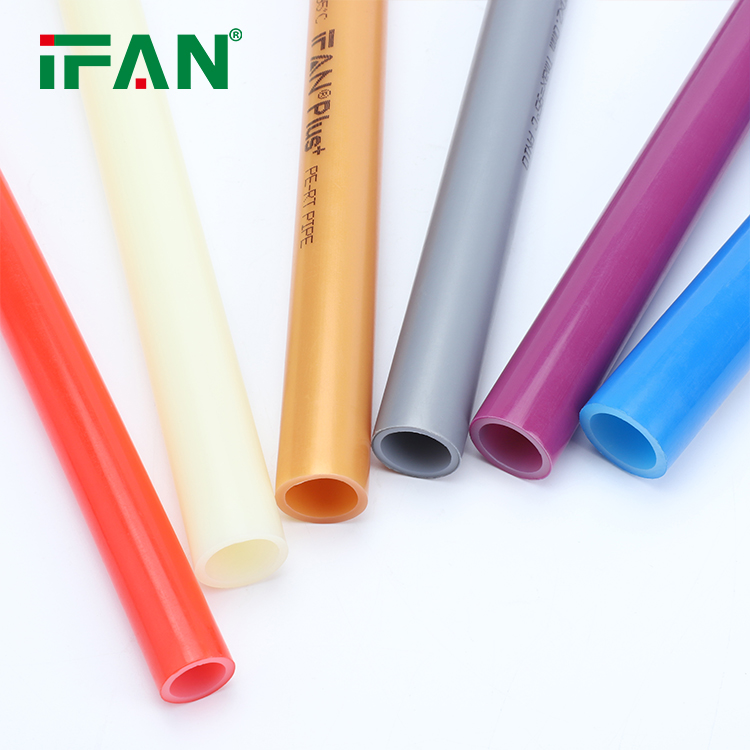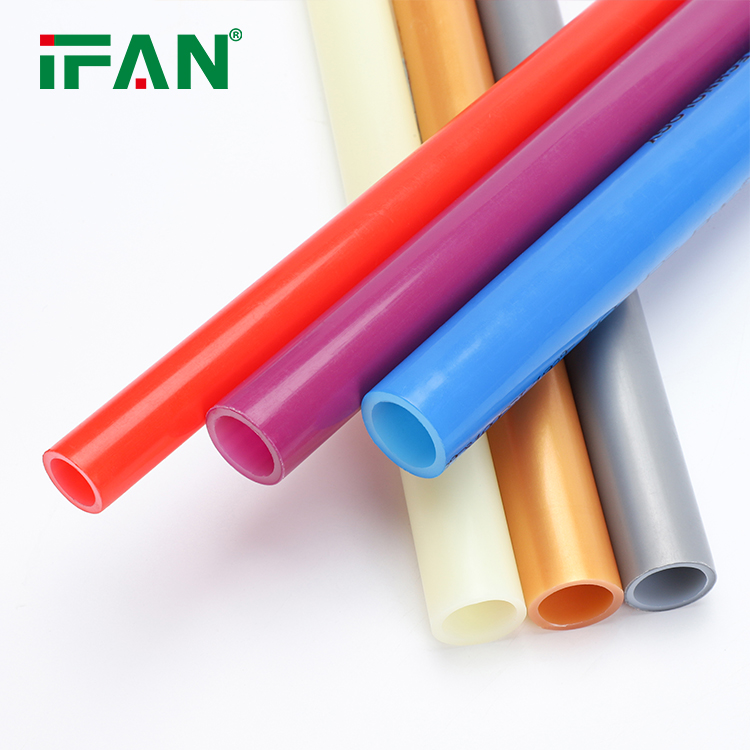
The High-Temperature Resistance of PPR Pipe Fittings: An Advantage for Many Applications

PPR (polypropylene random copolymer) pipes and fittings have become increasingly popular in construction, plumbing, and other industries due to their excellent performance and durability. One key advantage that sets PPR fittings apart from other materials is their high-temperature resistance.

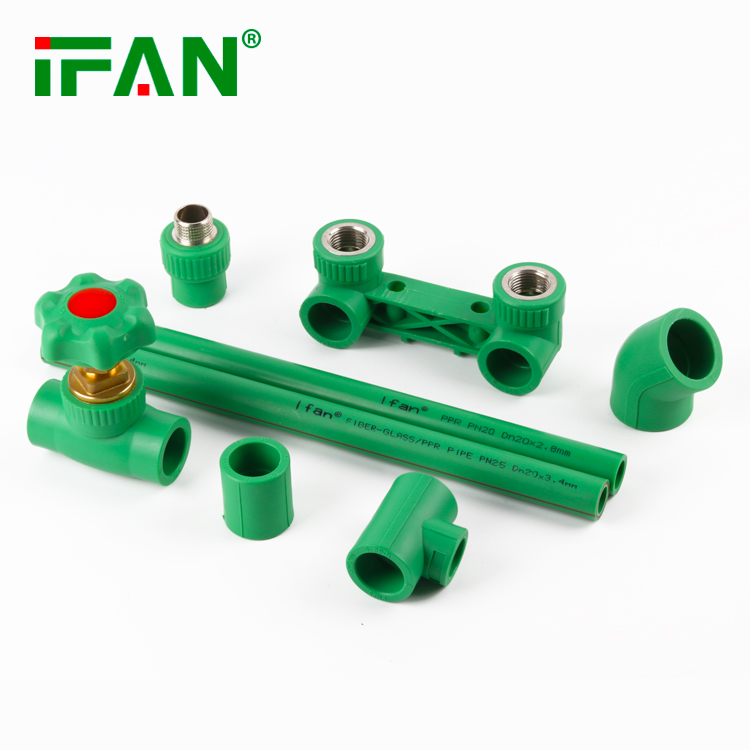
PPR pipes and fittings are specifically designed to withstand high temperatures, making them ideal for use in hot water systems, as well as in industrial applications that involve hot liquids or gases. This high-temperature resistance is a result of the unique composition of the material, which contains a high level of temperature-resistant materials such as polypropylene and ethylene.

In addition to their ability to withstand high temperatures, PPR fittings also boast excellent resistance to chemicals, corrosion, and abrasion. They are also notable for their lightweight construction, ease of installation, and low maintenance requirements, making them a popular choice for a wide range of applications.
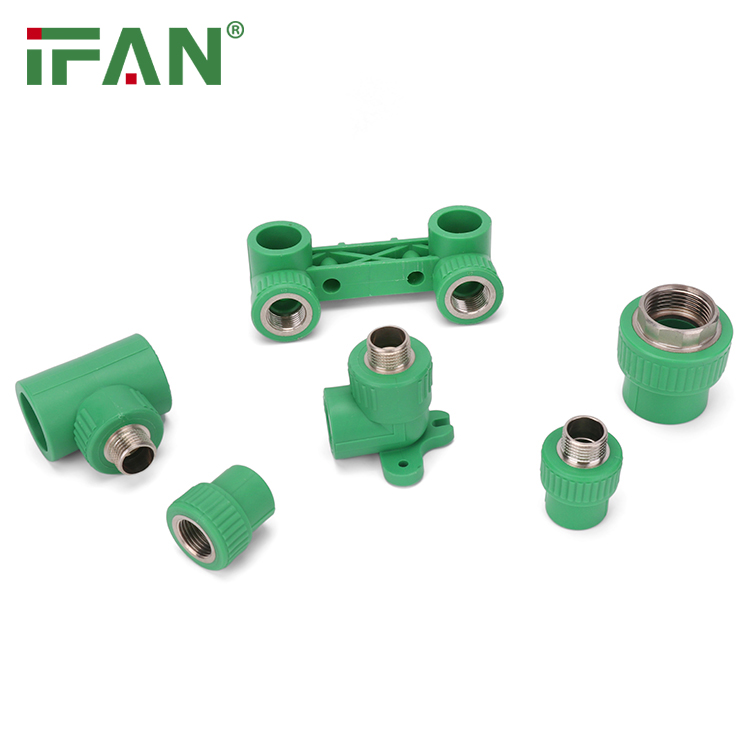
Some of the many industries that can benefit from the high-temperature resistance of PPR fittings include construction, plumbing, HVAC, chemical processing, and food and beverage manufacturing, among others. These applications require materials that can withstand extreme conditions, and PPR fittings provide the ideal solution.

Overall, the high-temperature resistance of PPR pipe fittings is a significant advantage that sets them apart from other materials on the market today. This durable and reliable material offers outstanding performance even under the most extreme conditions, making it an ideal choice for many different applications. Whether you are looking for a reliable plumbing solution or a robust material for industrial use, PPR fittings offer the perfect combination of durability, strength, and versatility.
Share:

Facebook
Twitter
Pinterest
LinkedIn

Leave a Comment

Your email address will not be published. Required fields are marked *

On Key

Related Posts

Pressure Testing Procedures for Installed PEX Press Fittings

IFAN PEX Press Fittings: Pressure Testing Procedures That Actually Save You Money Skip the Test? You’re Basically Gambling Every experienced plumber knows one thing — “30% installation, 70% testing.” You can make the prettiest pipe connections in the world, crimp every fitting perfect, but if you don’t pressure test, you’re crossing the road with your eyes closed.

Understanding O Ring Seals in PEX Press Fitting Systems

Understanding O-Ring Seals in PEX Press Fitting Systems: The Tiny Ring That Makes or Breaks Your Entire Piping Most people think PEX press fittings are just about slapping a pipe in and crimping it with a tool. Done. But here’s the real question — why doesn’t it leak after you crimp it? The answer is

PEX Press Fittings vs Crimp Fittings Which Connection Is More Reliable

PEX Press Fittings vs Crimp Fittings: Which Connection Actually Holds Up Better? Let’s Settle This Once and For All If you’ve ever stood in a plumbing supply aisle staring at PEX fittings, you know the headache. Press or crimp? The internet is full of opinions, but very few people actually tell you the truth. So

How PEX Press Fittings Create a Permanent Seal Without Soldering

How PEX Press Fittings Create a Permanent Seal Without Soldering: IFAN Shows You Why Cold Connections Are the Future One: Soldering Should Have Been Dead Years Ago Anyone who’s done plumbing knows the pain of copper soldering — open flame, solder wire, flux, risk of burning your hands, and the nightmare of hidden weak joints

Common Brass Ball Valve Failures and How to Prevent Them

Common Brass Ball Valve Failures and How to Prevent Them — The IFAN Way Most Valve Failures Come Down to These Few Things After years in the plumbing game, I’ve noticed a pattern — when a ball valve fails, it almost always comes down to the same handful of issues. Most people treat valves like

Get Free Quote NOW