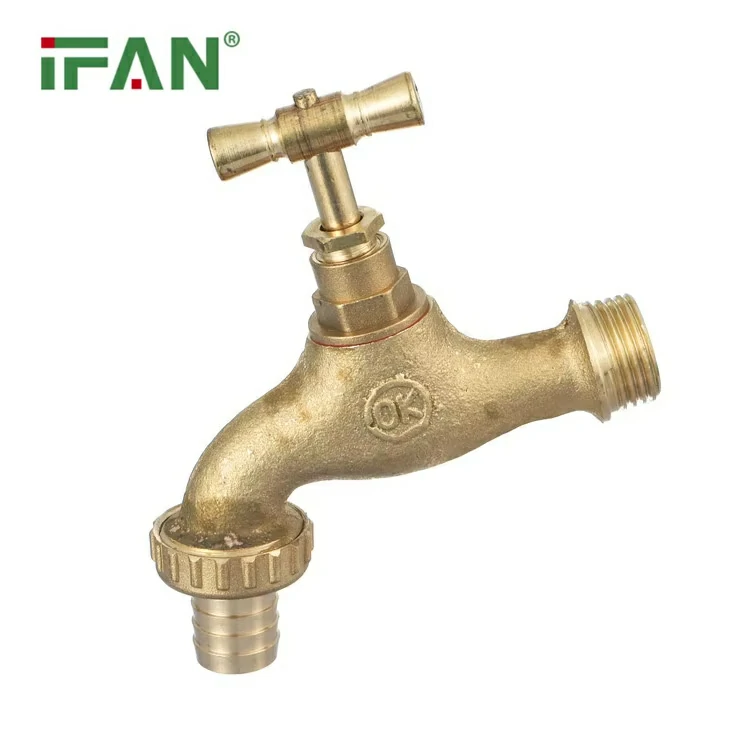
PPR Pipe Fittings: The Key to Building Strong and Resilient Plumbing Infrastructures
Introduction
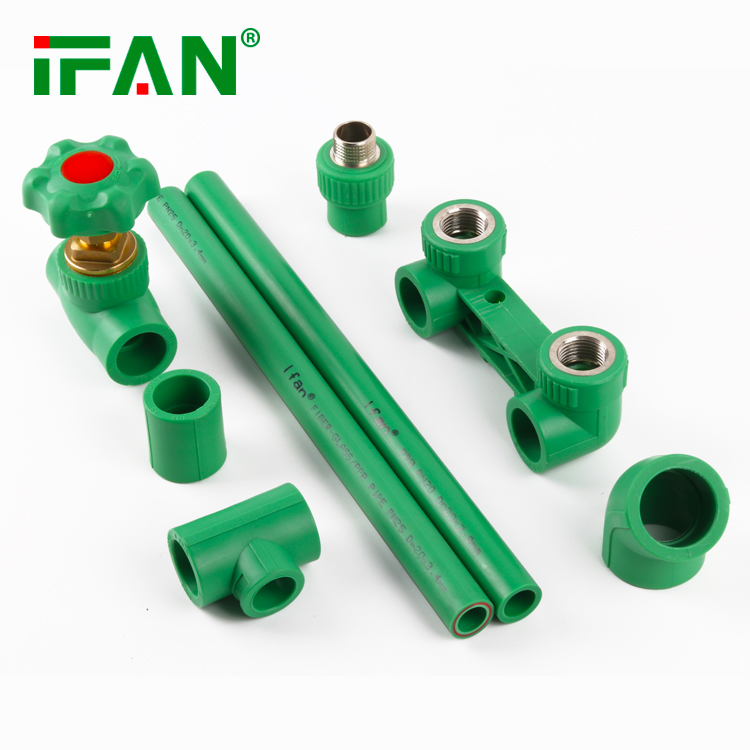
PPR pipe fittings are the cornerstone of modern plumbing infrastructures. These fittings are made from a special type of plastic called polypropylene random copolymer (PPR). They are sturdy, durable, and have the ability to withstand extreme temperatures and pressure. PPR fittings are easy to install and maintain, making them a preferred choice of builders and plumbers worldwide.
In this article, we will discuss the key benefits and features of PPR pipe fittings, and explain why they are the perfect solution for building strong and resilient plumbing systems. We will also provide tips on how to select the right PPR fittings for your needs and how to ensure proper installation.
Benefits of PPR Pipe Fittings
PPR pipe fittings offer a range of benefits that make them superior to traditional piping systems. Some of the key advantages of PPR pipe fittings include:
- Durability: PPR fittings are incredibly durable and able to withstand a range of elements including chemicals, pressure, and temperature changes. They are also resistant to rust and corrosion.
- Low Cost: PPR fittings are often cheaper than traditional metal pipes, making them a more cost-effective solution. Additionally, the savings from installation to maintenance are significant.
- Easy Installation: PPR fittings are lightweight, making them easy to install. They require no special tools and can be fitted quickly and safely.
- Low Maintenance: PPR fittings require minimal maintenance. They are easy to clean and do not corrode or rust, eliminating the need for costly repairs or replacements.
- Hygienic: PPR fittings are not porous, which means they do not promote bacterial growth. This makes them more hygienic, which is particularly important in healthcare facilities.
Features of PPR Pipe Fittings
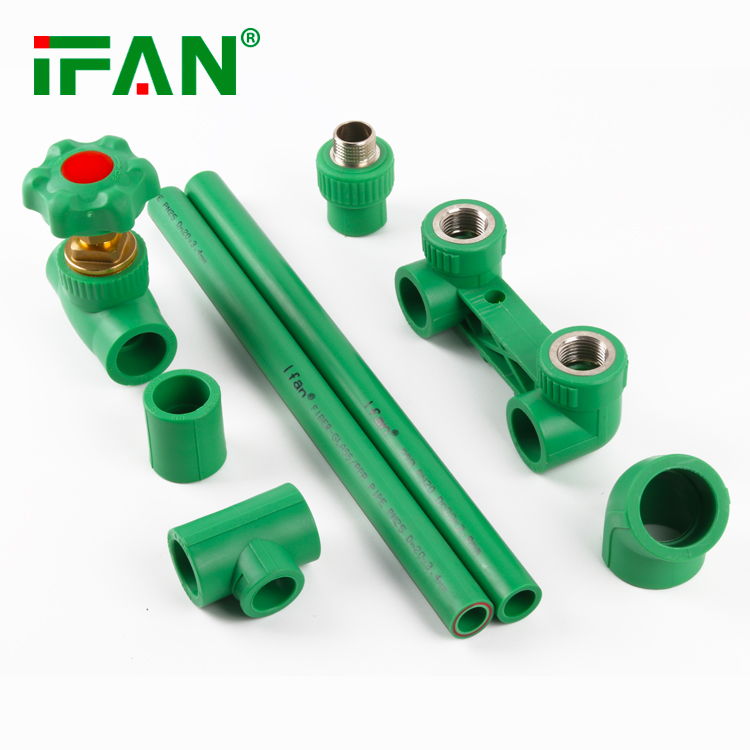
PPR pipe fittings are designed with a range of features to ensure optimal performance. Some of these features include:
- High pressure and temperature tolerance: PPR fittings are designed to withstand high pressure and temperature changes, making them ideal for use in a range of applications.
- Leak-proof connections: PPR fittings use a heat fusion method to connect, resulting in leak-proof connections that can last for years.
- Compatibility: PPR fittings are compatible with a range of other piping systems, making it easy to integrate them into existing systems.
- Wide range of shapes and sizes: PPR fittings come in a variety of shapes and sizes, making it easy to select the right fitting for the job.
Selecting the Right PPR Pipe Fittings
When selecting PPR pipe fittings, there are a few key factors to consider:
- Type of Application: Consider the type of application you will be using the fittings for. Different applications require different types of fittings.
- Size and Shape: Choose the right size and shape of fittings to ensure optimal performance.
- Pressure and Temperature: Consider the pressure and temperature requirements of your application to select the right type of fitting for the job.
- Building Code Compliance: Make sure the fittings you choose comply with building codes and safety regulations.
Conclusion
PPR pipe fittings are the key to building strong and resilient plumbing infrastructures. They offer a range of advantages over traditional piping systems, including durability, low cost, easy installation, low maintenance and hygienic. When selecting PPR pipe fittings, consider the type of application, size and shape, pressure and temperature requirements, and building code compliance.
By choosing PPR pipe fittings, you can ensure that your plumbing infrastructure is durable, reliable, and able to withstand the test of time. Make the switch to PPR fittings today and experience the benefits for yourself.