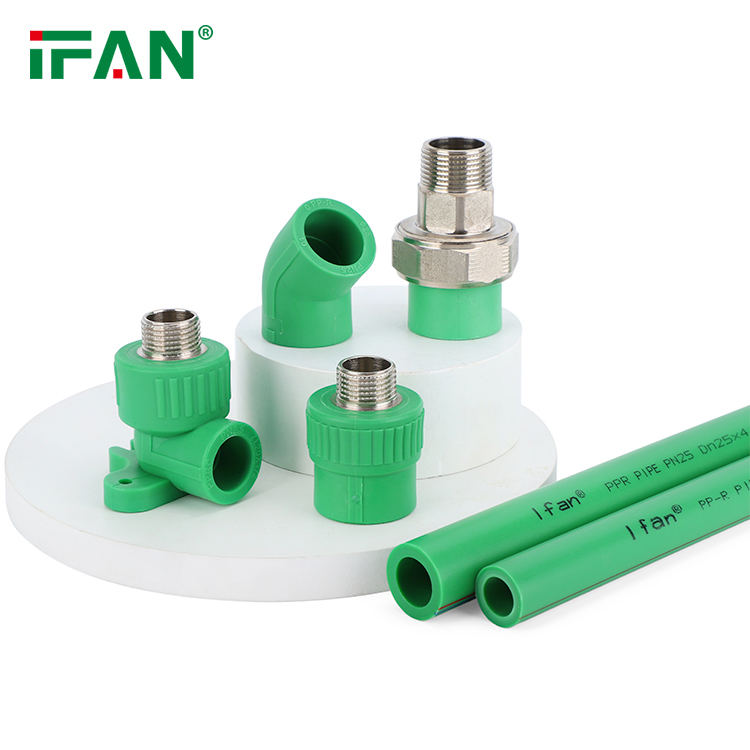
PPR, an acronym for Polypropylene Random, has emerged as a premier choice in the piping industry due to its superior performance and versatile applications. This comprehensive guide explores the novelty of PPR pipe, highlighting its innovative features and modern uses.
I. Introduction to PPR Pipe
PPR pipe, also known as Polypropylene Random pipe, is a polymer material that has gained significant popularity in recent years. Its unique molecular structure, resulting from the random copolymerization of polypropylene, provides exceptional strength, heat resistance, and chemical stability. These properties make PPR pipe an ideal choice for a wide range of applications.
II. Unique Properties of PPR Pipe
PPR pipe possesses several distinctive properties that set it apart from traditional piping materials:
- Excellent Heat Resistance: PPR pipe can withstand high temperatures without significant expansion or contraction. This makes it suitable for hot water supply systems and industrial applications where temperatures can fluctuate widely.
- Chemical Stability: PPR pipe is highly resistant to chemicals, acids, and bases. This allows it to be used in chemical processing plants, laboratories, and other facilities where exposure to harsh chemicals is common.
- Lightweight and Flexible: PPR pipe is lightweight and easy to handle, making installation a breeze. Its flexibility also allows for easy routing around obstacles and tight spaces.
- Durable and Long-Lasting: PPR pipe is designed to last for decades, providing a reliable and cost-effective solution for long-term piping needs.
III. Modern Applications of PPR Pipe
PPR pipe has found widespread use in various modern applications, including:
- Residential Plumbing: PPR pipe is a popular choice for residential plumbing systems due to its durability, ease of installation, and superior performance. It is commonly used for hot and cold water supply lines, as well as for drainage systems.
- Industrial Piping: In industries such as chemicals, pharmaceuticals, and food processing, PPR pipe is often used to transport fluids and gases due to its chemical stability and heat resistance.
- Agricultural Irrigation: PPR pipe’s lightweight and flexibility make it a great choice for agricultural irrigation systems. It can be easily installed in fields and gardens to provide reliable water supply for crops.
IV. Advantages of PPR Pipe
PPR pipe offers numerous advantages over traditional piping materials:
- Environmental Friendliness: PPR pipe is made from recyclable materials, reducing the environmental impact of piping systems.
- Cost-Effectiveness: PPR pipe’s durability and long-lasting performance mean fewer replacements and lower maintenance costs over time.
- Ease of Installation and Maintenance: PPR pipe’s lightweight and flexibility allow for quick and easy installation, while its smooth inner walls reduce the risk of clogging and facilitate maintenance.
V. Conclusion
PPR pipe, with its unique properties and modern applications, has become a leading choice in the piping industry. Its superior performance, durability, and environmental friendliness make it an excellent option for a wide range of applications. As technology continues to evolve, PPR pipe will likely remain a key player in the future of piping systems.
Free Sample(Click Here to Get Free Sample)