The Versatile Applications of Brass Fittings in the Industrial Sector
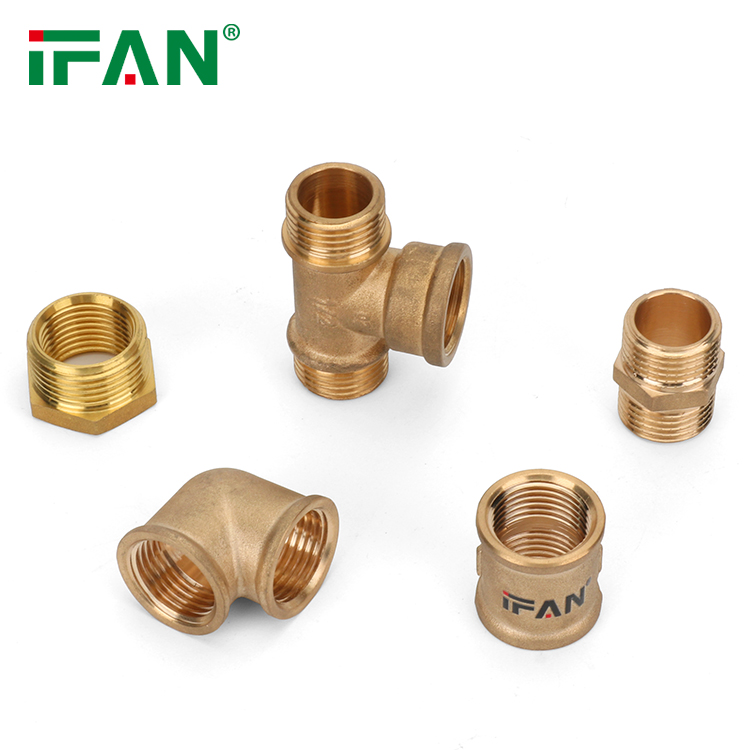
Brass fittings have become an indispensable component in various industrial applications, owing to their unique properties and functionalities. Brass fittings are made of brass, which is an alloy of copper and zinc. Brass fittings are widely used due to their high strength, corrosion resistance, and durability.
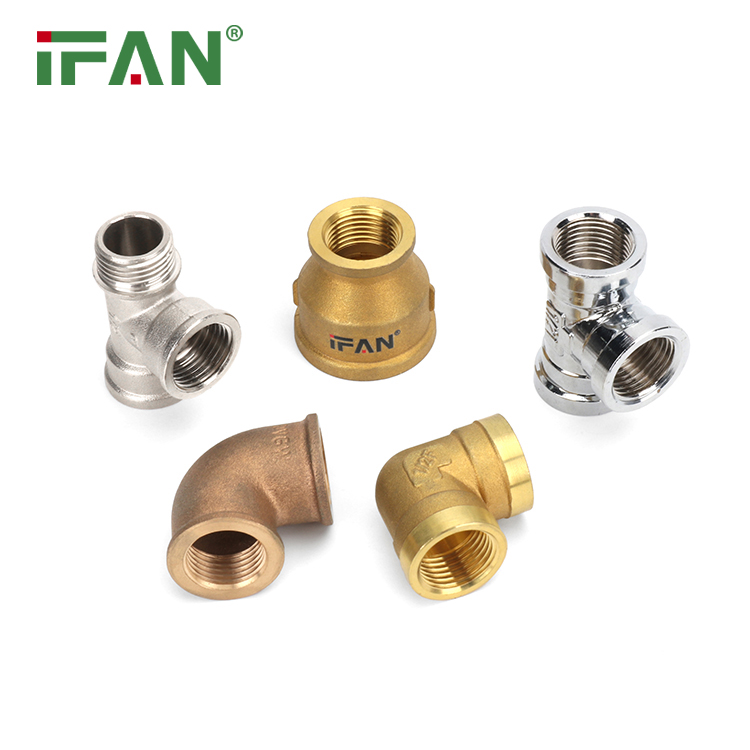
Brass fittings are available in various shapes and designs, making them suitable for a wide range of industrial applications. They are commonly used in plumbing and hydraulic systems, where they serve as connectors for pipes and tubes. Brass fittings can withstand high temperatures and pressures, making them ideal for use in harsh environments.
The versatility of brass fittings is further enhanced by their compatibility with a wide range of media. Brass fittings can handle water, oil, gas, and various chemicals, making them an excellent choice for applications in the chemical and petrochemical industries.
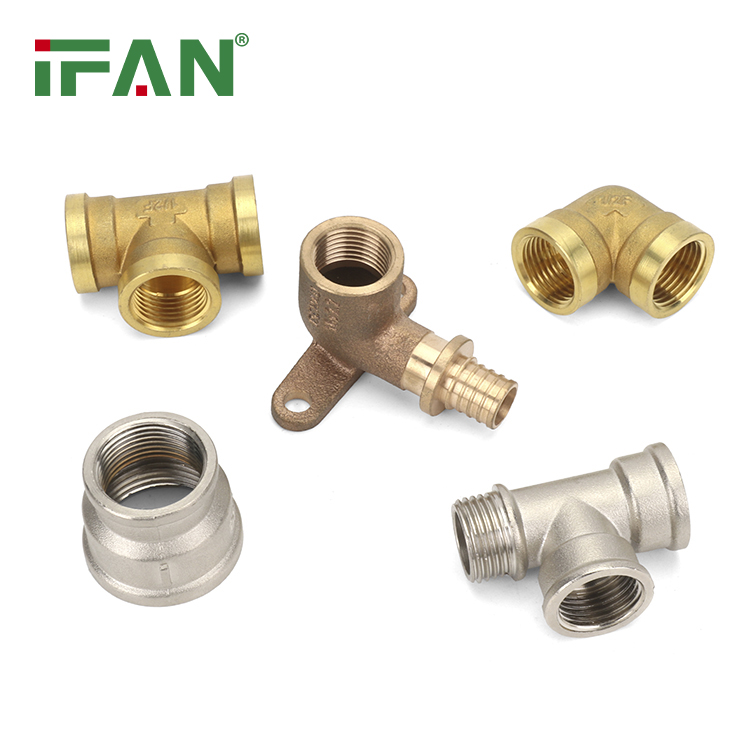
Brass fittings are also easy to install and maintain, making them a cost-effective alternative to other materials. They can be easily threaded onto pipes and tubes, and require minimal maintenance to ensure their optimal performance.
One of the significant advantages of brass fittings is their excellent electrical conductivity. Brass fittings are excellent electrical conductors, making them ideal for use in electrical applications, such as grounding systems.
Brass fittings are also eco-friendly and sustainable, as they are recyclable. They are, therefore, an excellent choice for industries that prioritize sustainability and environmental consciousness.
In conclusion, the versatile applications of brass fittings in the industrial sector cannot be overstated. Their strength, corrosion resistance, durability, and compatibility with a wide range of media, make brass fittings an ideal choice for various industrial applications. They are easy to install and maintain, are cost-effective, and eco-friendly, making them the preferred choice for many industries.