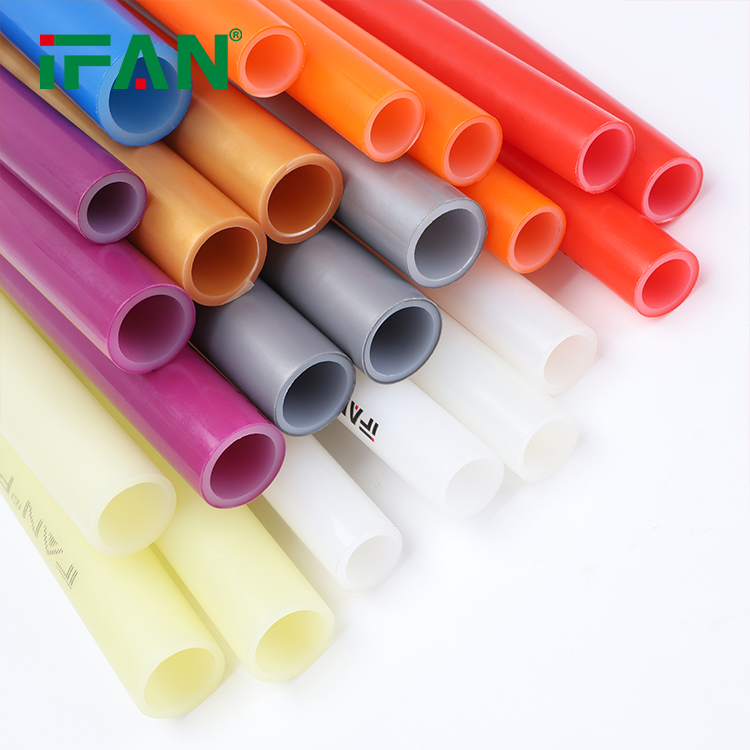
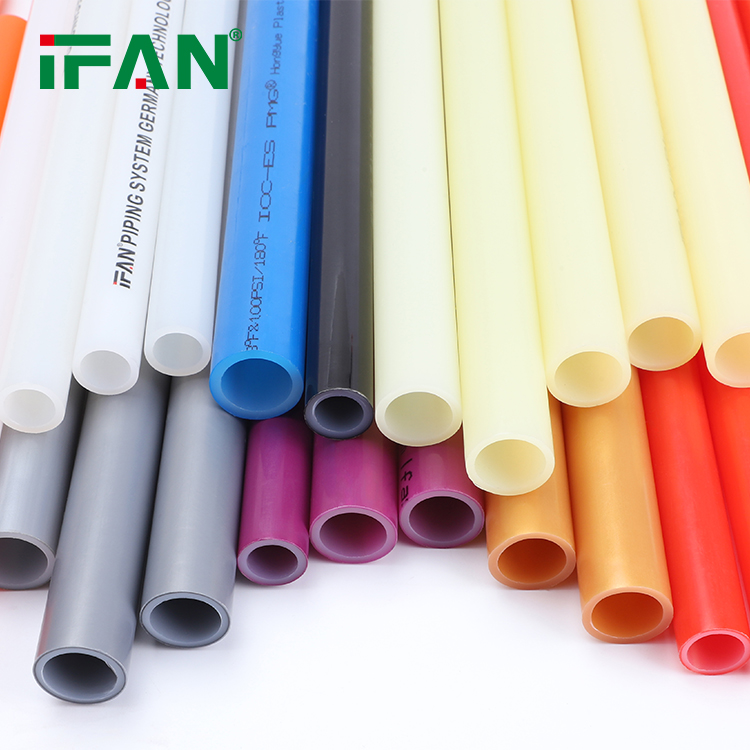
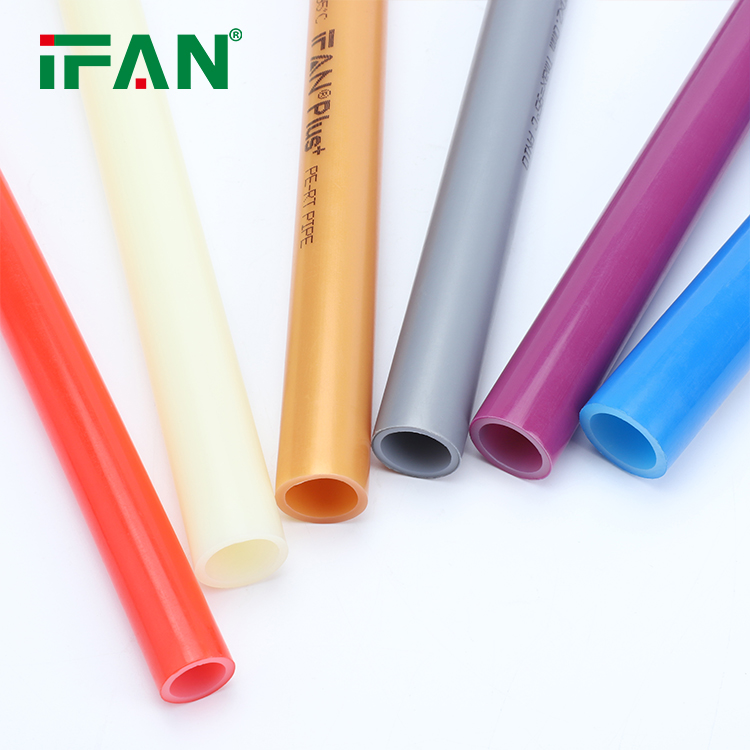
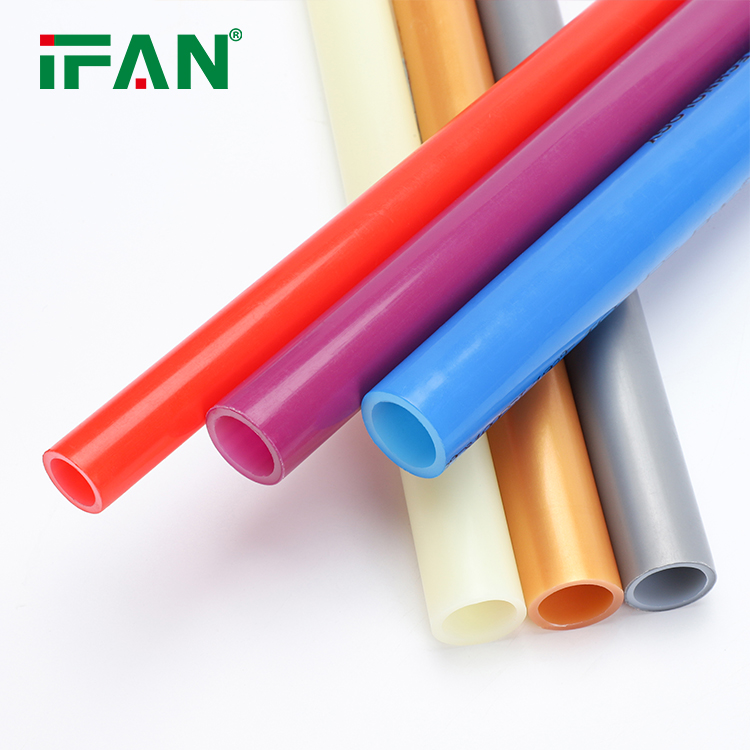
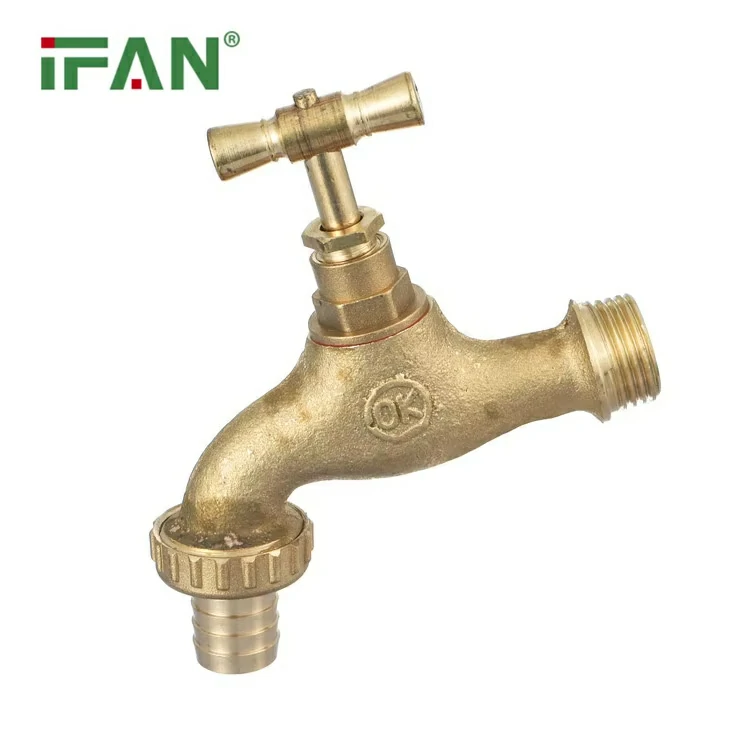
IFAN factory 30+ years manufacture experience support color /size customization support free sample.Welcome to consult for catalog and free samples.This is our Facebook Website:www.facebook.com,Click to watch IFAN’s product video.Compared with Tomex products, our IFAN products from quality to price are your best choice, welcome to buy!
Introduction
Installing PPR (Polypropylene Random Copolymer) fittings requires careful attention to detail to ensure leak-free connections and optimal performance of plumbing systems. This guide provides a comprehensive overview of the step-by-step process for installing PPR fittings, from preparation to final assembly, ensuring clarity and completeness in achieving successful installations.
1. Preparation and Planning
Before commencing installation, gather all necessary tools and materials, including PPR pipes, fittings, a pipe cutter, chamfering tool, marker, measuring tape, and a heat fusion machine for socket fusion fittings. Plan the layout of the plumbing system, ensuring accurate measurements and alignment of pipes and fittings. Clean the pipe ends and fittings thoroughly to remove dirt, grease, or debris that could compromise the fusion process. Proper preparation ensures smooth installation and reliable performance of the plumbing system.
2. Cutting and Chamfering
Measure and mark the PPR pipe at the desired length using a marker and measuring tape. Use a pipe cutter to make a clean, perpendicular cut on the marked line. After cutting, use a chamfering tool to bevel the outer edge of the pipe at a 15-30 degree angle. This chamfering prevents damage to the O-ring during assembly and facilitates smooth insertion of the pipe into the fitting. Ensure the chamfer is uniform and free from burrs to maintain the integrity of the joint.
3. Socket Fusion Welding
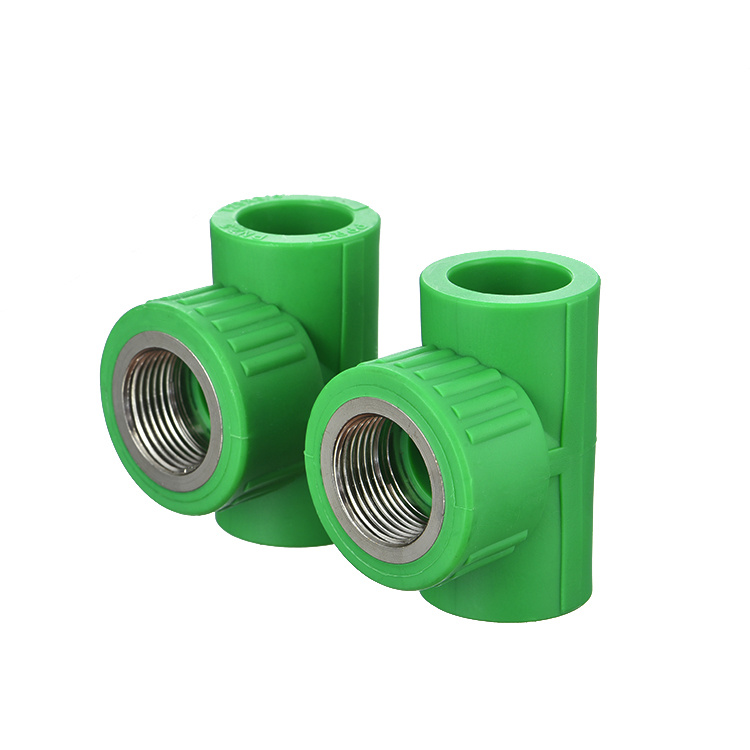
For socket fusion fittings, heat the socket and pipe ends using a socket fusion welding machine until they reach the specified fusion temperature. Insert the heated pipe end into the socket fitting with a slight twisting motion to ensure even distribution of melted material and achieve a secure bond. Hold the joint in place without applying pressure until the melted material cools and solidifies, forming a strong, leak-resistant connection. Allow sufficient cooling time before handling the assembled joint to avoid compromising the fusion.
4. Electrofusion Welding
When installing electrofusion fittings, clean the pipe ends and fittings to remove any contaminants. Ensure the electrofusion fittings are compatible with the pipe diameter and specification. Use an electrofusion welding machine to energize the conductive coil within the fitting, which heats and melts the inner surface of the fitting and the outer surface of the pipe. Maintain proper alignment and pressure during the fusion process to achieve a uniform and reliable joint. After welding, allow the joint to cool and solidify before pressurizing the system to ensure leak-free operation.
5. Testing and Inspection
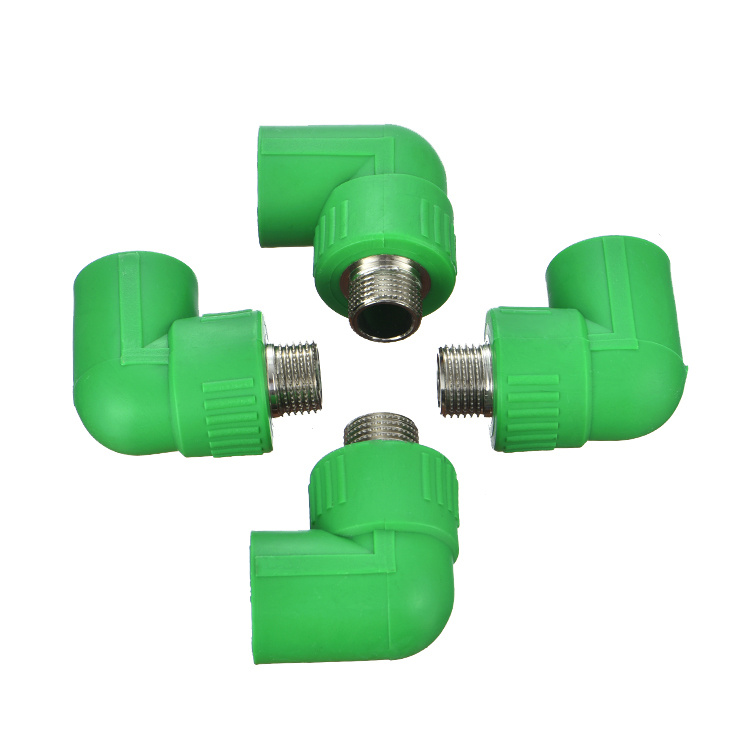
After completing the installation, conduct a pressure test to verify the integrity of the plumbing system. Gradually increase the water pressure to the recommended test pressure and inspect all joints and connections for leaks. If leaks are detected, identify the source and make necessary adjustments or repairs. Once the system passes the pressure test without leaks, flush the pipes to remove debris or flux residues that could affect water quality. Conduct a final inspection to ensure all fittings are securely installed and the system operates as intended.
Conclusion
In conclusion, proper installation of PPR fittings involves meticulous preparation, precise cutting and chamfering, accurate fusion welding (whether socket fusion or electrofusion), thorough testing, and inspection. Following these steps ensures durable, leak-free connections in PPR plumbing systems, promoting efficiency and reliability in residential, commercial, and industrial applications. By adhering to best practices and manufacturer guidelines, plumbing professionals and installers can achieve successful PPR fitting installations that meet quality standards and customer expectations.