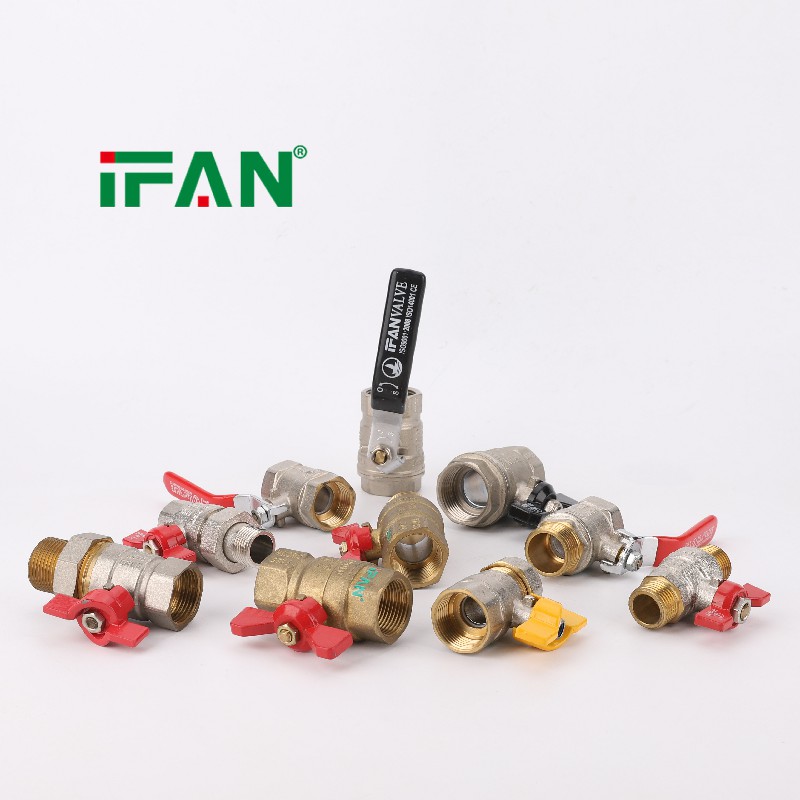
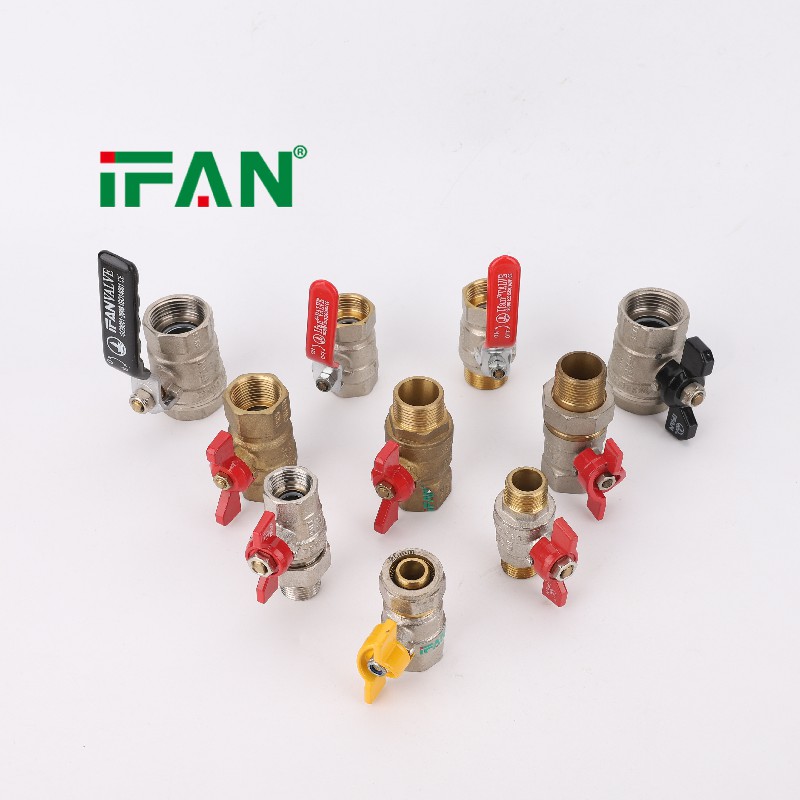
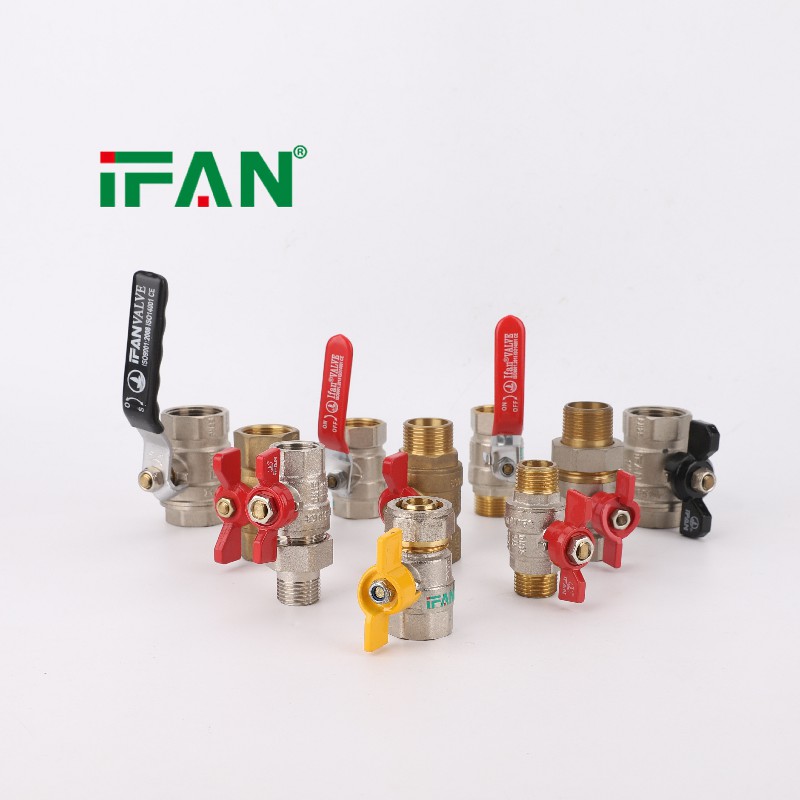
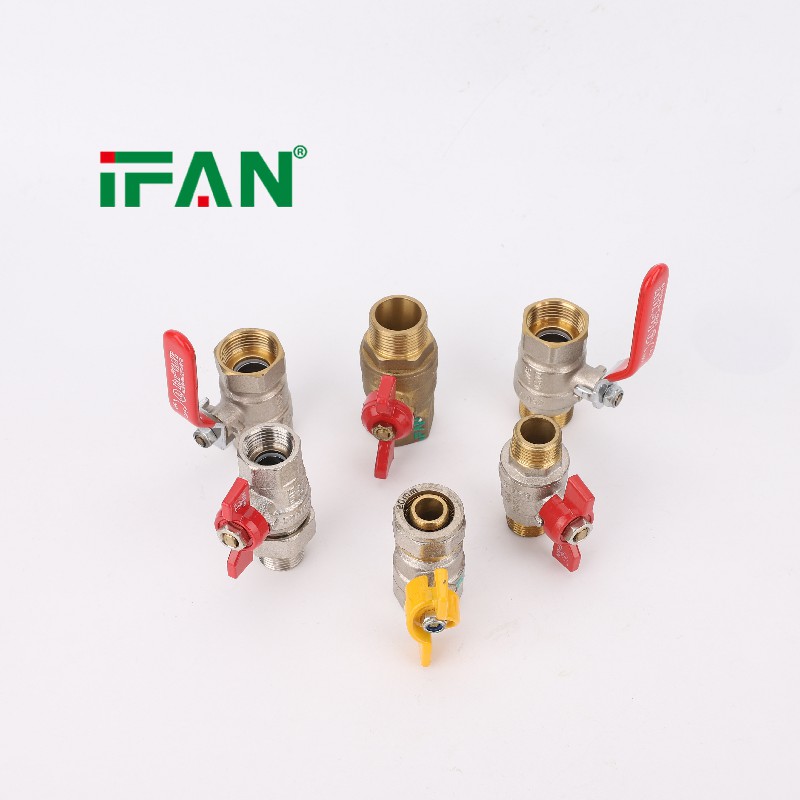
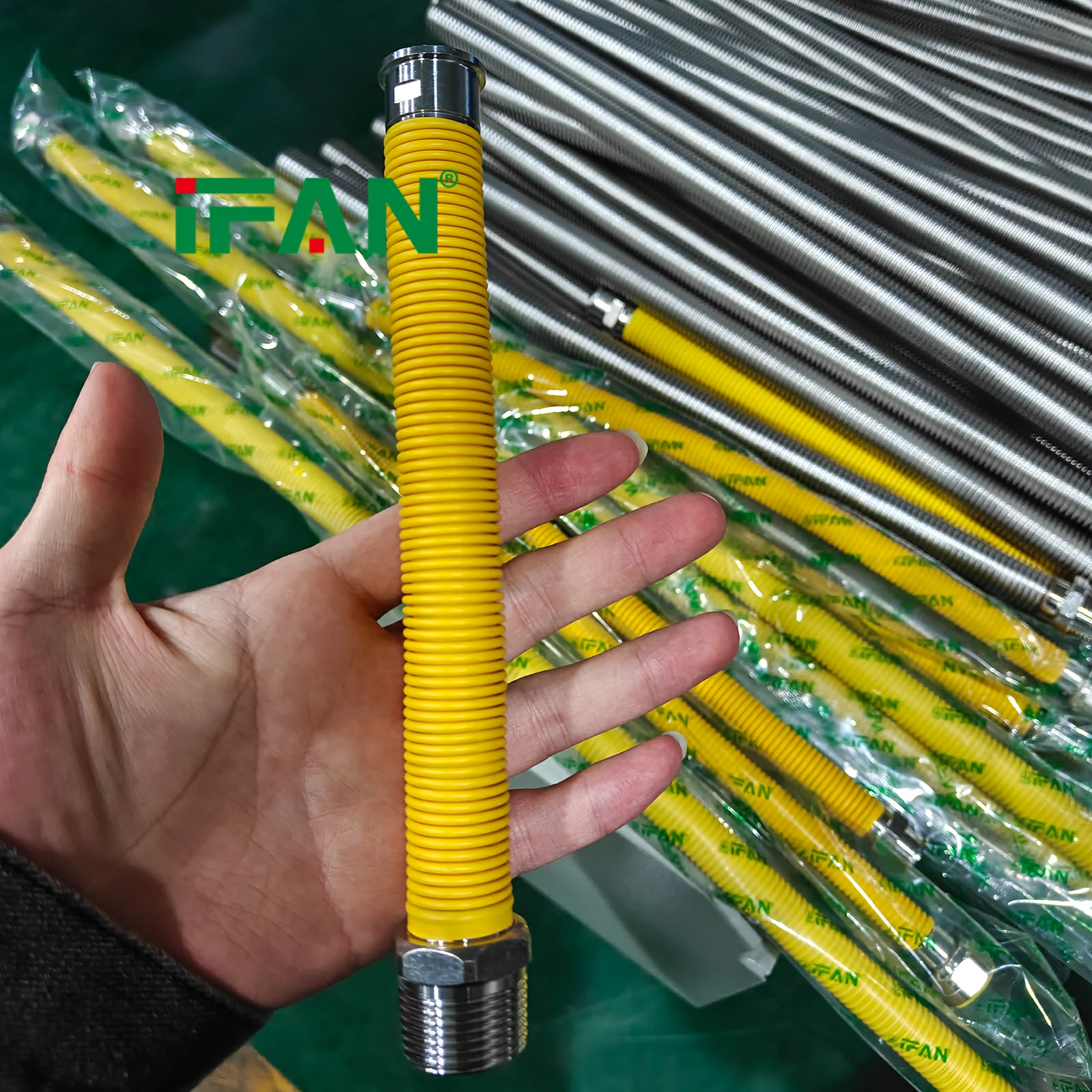
IFAN factory 30+ years manufacture experience support color /size customization support free sample.Welcome to consult for catalog and free samples.This is our Facebook Website:www.facebook.com,Click to watch IFAN’s product video.Compared with Tomex products, our IFAN products from quality to price are your best choice, welcome to buy!
Introduction
The comparison between PEX (cross-linked polyethylene) sliding fittings and traditional metal fittings in plumbing applications involves evaluating various factors such as installation ease, durability, performance, and cost-effectiveness. This article examines the results of comparative testing to assess how PEX sliding fittings stack up against their metal counterparts.
Ease of Installation
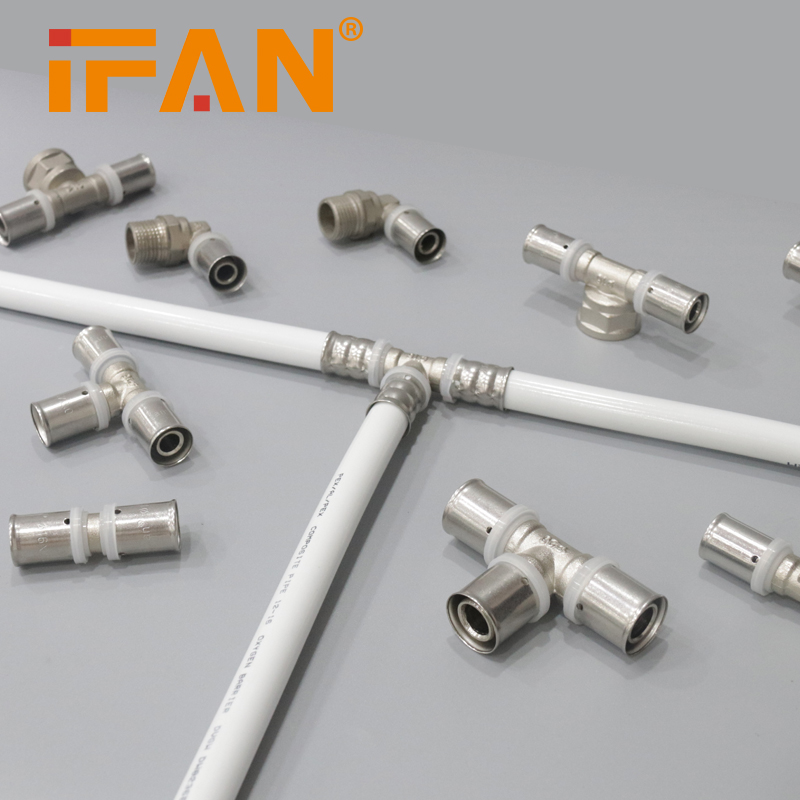
PEX sliding fittings offer significant advantages in installation ease compared to traditional metal fittings. Their flexible nature allows for quick adjustments and straightforward connections without the need for specialized tools like torches or soldering equipment. This ease of installation reduces labor costs and time on-site, making PEX sliding fittings a preferred choice for both residential and commercial plumbing projects.
In contrast, traditional metal fittings such as copper or brass require precise measurements, cutting, and soldering, which can be labor-intensive and time-consuming. The simplicity of PEX sliding fittings streamlines the installation process, contributing to overall project efficiency.
Durability and Longevity
Durability is a critical factor in plumbing fittings, particularly concerning resistance to corrosion and wear over time. PEX sliding fittings, made from cross-linked polyethylene, exhibit excellent resistance to corrosion, scale buildup, and chemical degradation. This durability ensures long-term performance and reliability in various water conditions, including acidic or hard water environments.
Metal fittings, while generally robust, can be susceptible to corrosion, especially in areas with aggressive water chemistry. They may require protective coatings or treatments to maintain longevity. However, when properly installed and maintained, metal fittings can also offer durable performance comparable to PEX sliding fittings.
Performance under Pressure
Both PEX sliding fittings and traditional metal fittings undergo testing to assess their performance under pressure. PEX fittings typically conform to ASTM standards such as ASTM F1960, ensuring they can withstand specified pressure ratings without failure. These fittings are designed to maintain tight seals and prevent leaks, even under fluctuating water pressures common in plumbing systems.
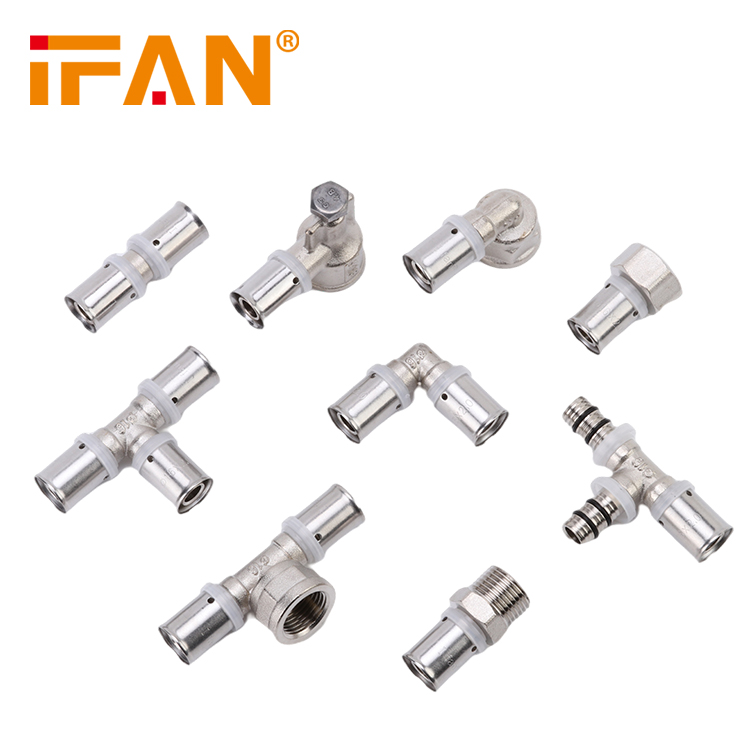
Metal fittings, depending on the material (copper, brass, etc.), also undergo pressure testing to ensure they meet performance standards. Proper installation techniques, including soldering or brazing, are crucial to ensuring leak-free joints under pressure. Metal fittings are valued for their robustness in high-pressure applications but may require more maintenance to prevent corrosion-induced failures.
Cost Considerations
Cost-effectiveness is a significant factor in choosing between PEX sliding fittings and traditional metal fittings. PEX fittings are generally more cost-effective in terms of material costs and installation expenses. The ease of installation reduces labor costs, while the lower material cost of PEX compared to metals contributes to overall project savings.
Metal fittings, while durable, can be more expensive due to the higher cost of materials and labor-intensive installation processes. Factors such as copper prices and skilled labor availability can influence the cost competitiveness of metal fittings compared to PEX sliding fittings.
Environmental Impact
Lastly, the environmental impact of plumbing fittings is increasingly considered in building projects. PEX sliding fittings, being recyclable and requiring less energy-intensive manufacturing processes compared to metal fittings, offer environmental benefits. They contribute to sustainable building practices by reducing material waste and carbon footprint associated with construction.
Metal fittings, particularly copper, are recyclable but may have a higher initial environmental impact due to mining and manufacturing processes. However, their long lifespan and recyclability contribute to sustainability over the long term.
Conclusion
In conclusion, the comparative testing between PEX sliding fittings and traditional metal fittings reveals distinct advantages and considerations for each type. PEX sliding fittings excel in ease of installation, durability, and cost-effectiveness, making them ideal for many plumbing applications. Traditional metal fittings offer robust performance under pressure and long-term reliability, albeit with potentially higher upfront costs and installation complexities. Ultimately, the choice between PEX sliding fittings and traditional metal fittings depends on project-specific requirements, including performance expectations, budget constraints, and environmental considerations.