Are PPR pipe fittings environmentally friendly?

Are PPR pipe fittings environmentally friendly?

PPR (Polypropylene Random Copolymer) pipe fittings are recognized for their environmental friendliness due to several factors. Here are some key points regarding the environmental aspects of PPR pipe fittings:
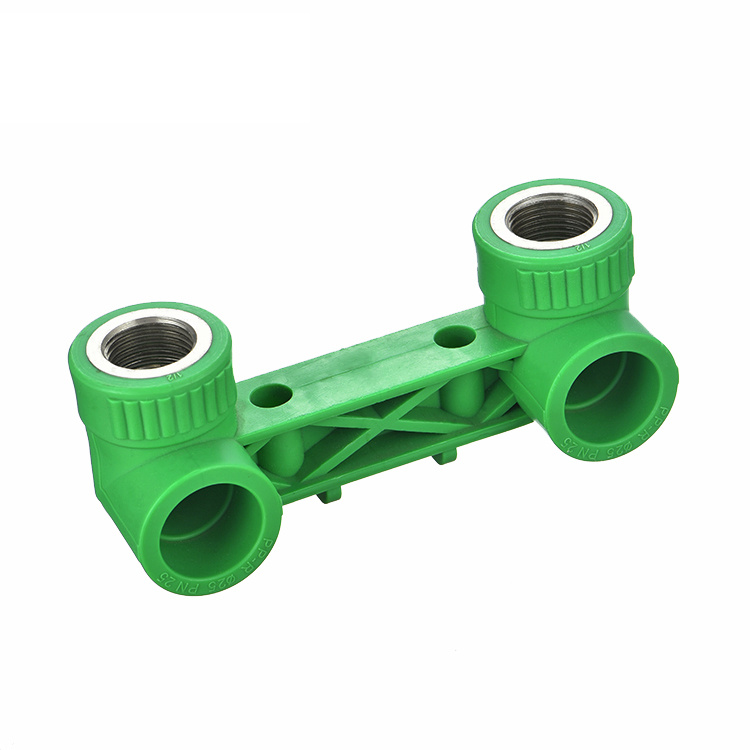
  1. Material Composition: PPR pipe fittings are made from a type of thermoplastic polymer known as polypropylene. Polypropylene is derived from non-toxic and recyclable materials, making it environmentally friendly.
  2. Recyclability: PPR pipe fittings can be recycled into new plastic products, reducing the need for virgin materials and minimizing waste.
  3. Energy Efficiency: PPR pipe fittings have low thermal conductivity, which helps to conserve energy by reducing heat loss during the transportation of hot water. This energy efficiency contributes to a more sustainable and environmentally friendly plumbing system.
  4. Durability and Longevity: PPR pipe fittings have a long lifespan and offer excellent durability. They do not corrode or degrade easily, reducing the need for frequent replacements and minimizing waste.
  5. Chemical Resistance: PPR pipe fittings are resistant to various chemicals, reducing the risk of leaks or chemical contaminants entering the environment.
  6. Safe for Potable Water: PPR pipe fittings are safe for potable water applications. They do not release harmful substances into the water, ensuring the delivery of clean and safe drinking water.
  7. Reduced Environmental Impact: The use of PPR pipe fittings can help reduce the overall environmental impact of the plumbing industry. Their recyclability, durability, and energy efficiency contribute to a more sustainable and eco-friendly plumbing system.

While PPR pipe fittings have several environmental advantages, it is important to consider other factors such as proper waste management, responsible manufacturing practices, and adherence to local regulations to ensure the overall environmental friendliness of the plumbing system.
Share:

Facebook
Twitter
Pinterest
LinkedIn

Leave a Comment

Your email address will not be published. Required fields are marked *

On Key

Related Posts

PPR Pipe Stiffness Class and Its Effect on Buried Installations

Is Your Underground Pipe Slowly Getting Crushed Right Under Your Feet? Look, most people spend weeks picking tile colors and countertop materials during renovation. Then they throw some pipes in the ground, cover them up, and forget about them. Three years later — bathroom leaking, kitchen damp, water bill through the roof. You tear up

Understanding PNR and MOP Ratings on PPR Pipes

Don’t Just Check the Price — These Two Numbers on the Pipe Matter Most Let’s be honest — most people walk into a plumbing supply store and the first thing they ask is “how much per meter?” The seller gives a number, you compare it with another shop, and you buy the cheapest one. But

Threaded vs Socket Fusion PPR Fittings: Which One Should You Actually Pick?

Why This Question Matters More Than You Think Let’s be real. Most people walk into a plumbing store, see rows of PPR fittings, and just grab whatever looks cheap. That’s how leaks happen. That’s how basements flood at 2 AM. The difference between threaded and socket fusion fittings isn’t just technical — it’s the difference

PPR Pipe Pressure Loss and Friction Loss Charts Explained

Why Pressure Loss Matters More Than You Think Let’s be honest — nobody gets excited talking about pressure loss. But here’s the thing: every time you turn on a faucet and water trickles out like it’s thinking twice, that’s pressure loss doing its dirty work. In pipe systems, friction loss eats up your energy, kills

How to Calculate Thermal Expansion for Long PPR Pipe Runs | The Complete Guide

Why This Actually Matters for Your Piping System Alright, let’s be honest — nobody wakes up excited about thermal expansion calculations. But here’s the thing: if you’ve ever heard a PPR pipe bang, creak, or worse, seen a joint crack after months of hot water running through it, thermal expansion is probably the culprit. And

Get Free Quote NOW