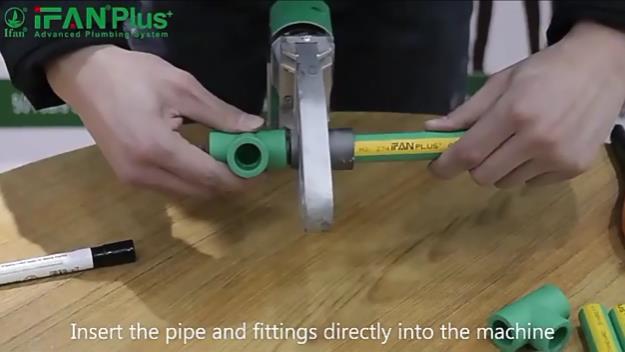
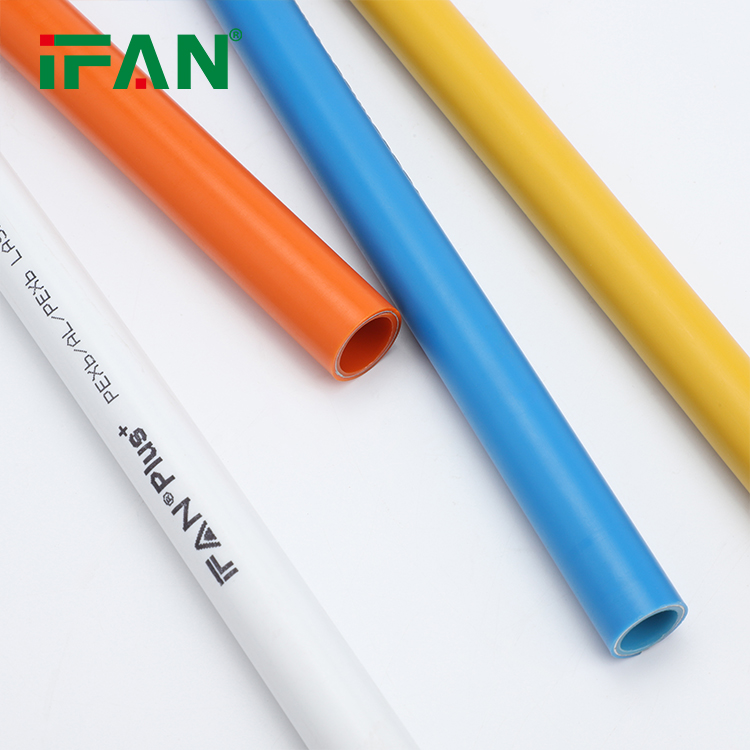
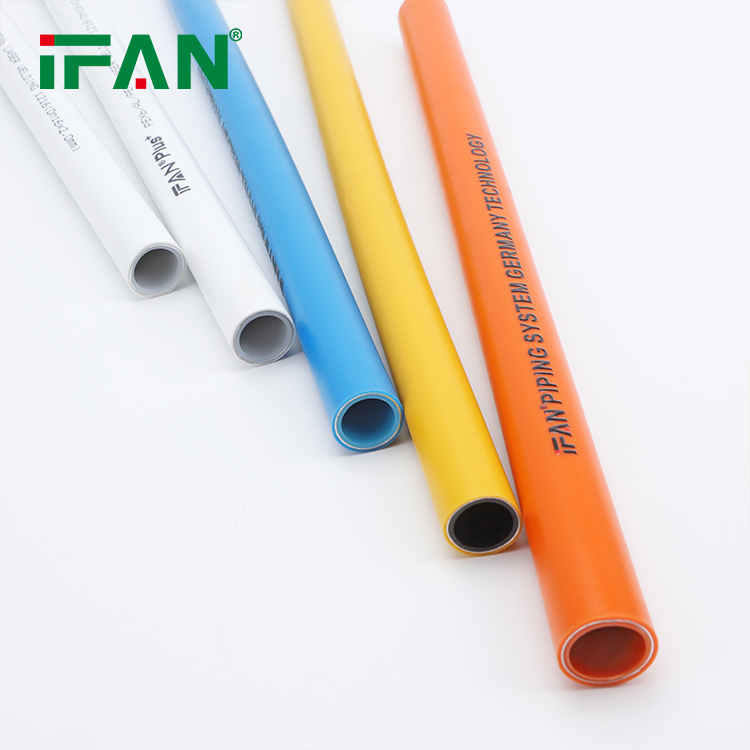
In theory, different brands of PPR pipes and fittings can be mixed, but we do not recommend this.
Why is it said that it can be mixed in theory? Because the main raw material for making PPR water pipes is random copolymerization polypropylene, as long as the PPR water pipes are not welded with other materials (such as PE pipes, PB pipes, etc.), the PPR water pipes can be well welded together. This is our Website: Follow IFAN to learn more
So why don’t we recommend mixing different brands of PPR pipes? IFAN will tell you below
Different Weight
The quality of the raw materials used in the PPR production of water pipes by various manufacturers is different, and the proportion of raw materials in the production process is also different. Therefore, the physical and chemical properties (such as melting point, etc.) and mechanical properties of the produced water pipes have certain differences. If the manufacturer uses inferior raw materials (complex composition), the welding quality will be more difficult to guarantee.
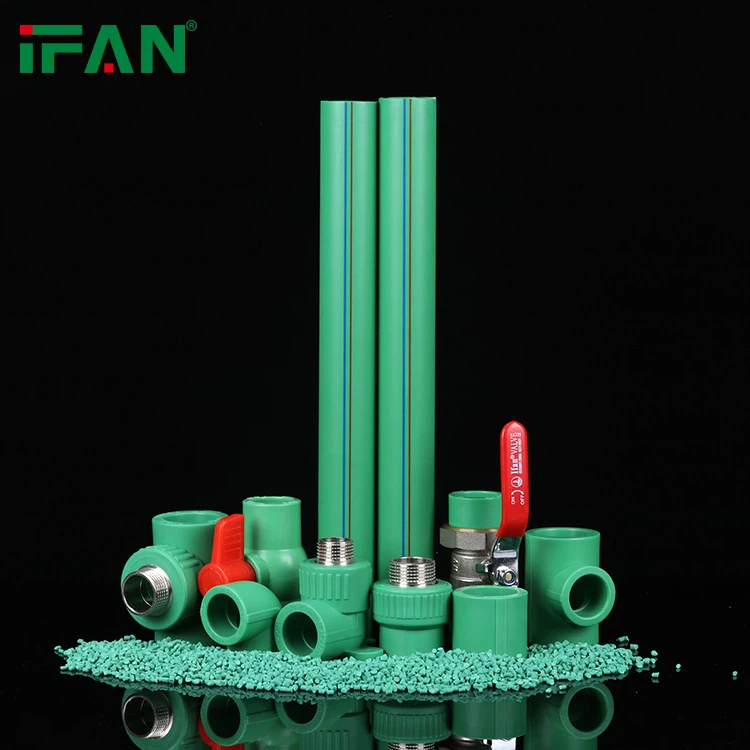
Different Sizes
In addition, although the specifications and dimensions of water pipes and water pipe accessories are produced in accordance with national standards, different manufacturers have a different grasp of the standards in production, and there are still some differences. If it is produced by a small manufacturer, it may encounter non-standard sizes. The pipe fittings produced by them have no problem with the pipe fittings produced by themselves, but when they come into contact with other pipe fittings, they will be too large or too small, which will affect the welding and eventually affect the service life.
If pipes and fittings of different brands are welded together, a more practical problem is that there is water leakage at the welding point, so the responsibility of the problem is not clear. It is impossible to determine whether it is a welding problem, it is impossible to determine whether it is a product quality problem, and it is impossible to determine which brand supplier is responsible for this. At this time, you can’t tell the suffering, you can only bear it yourself.
When using PPR pipes for home improvement, fewer accessories may be purchased due to calculation errors. At this time, don’t be afraid of trouble, you must use the same brand of PPR pipe fittings, so as not to leave hidden dangers. If only mixed installation is possible, open installation is also recommended. Even if there is a leakage problem in the later stage, it is easy to solve and has little impact on other decorations.