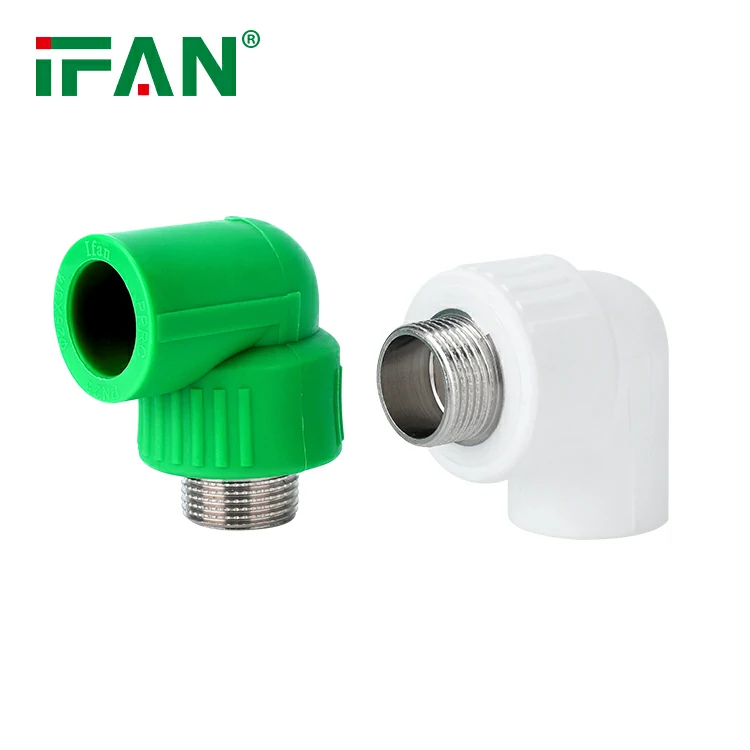
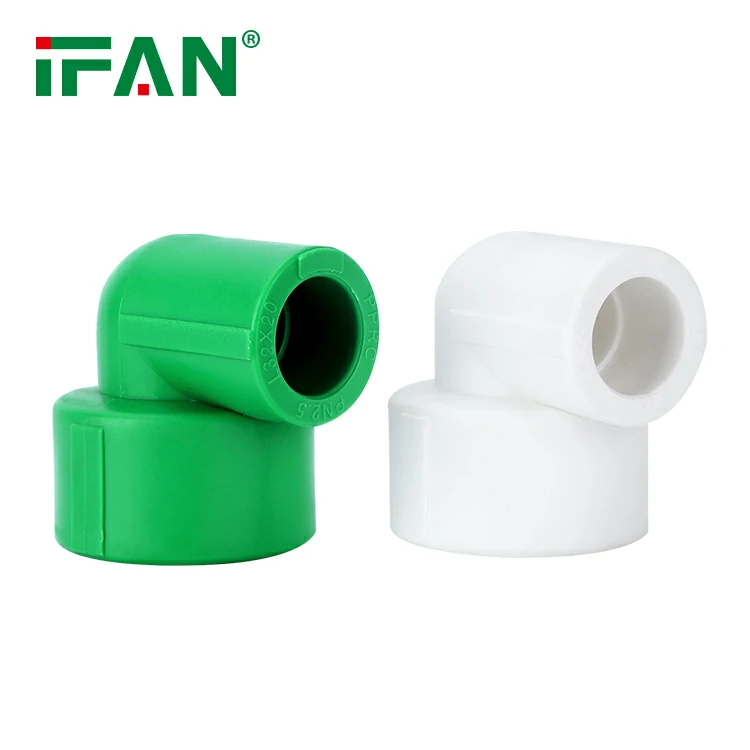
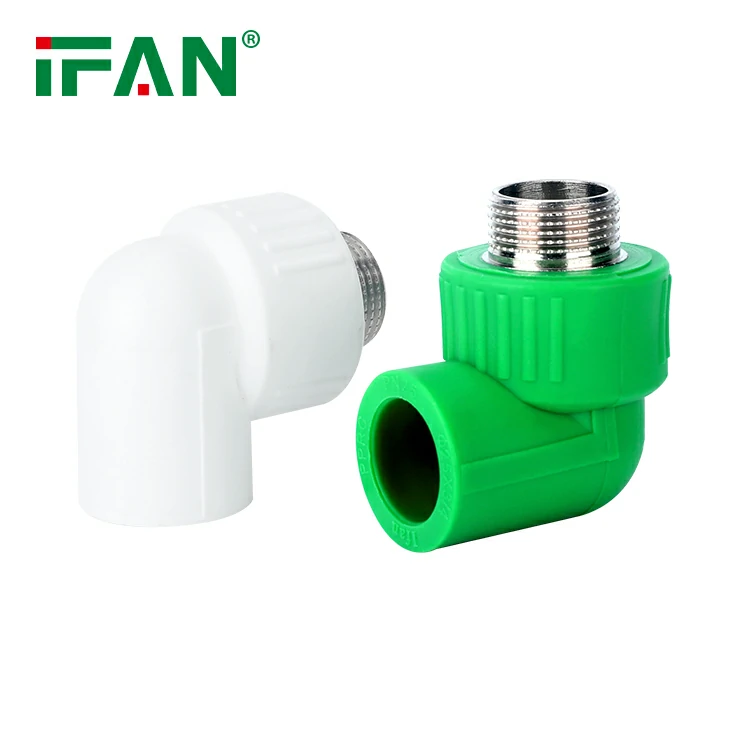
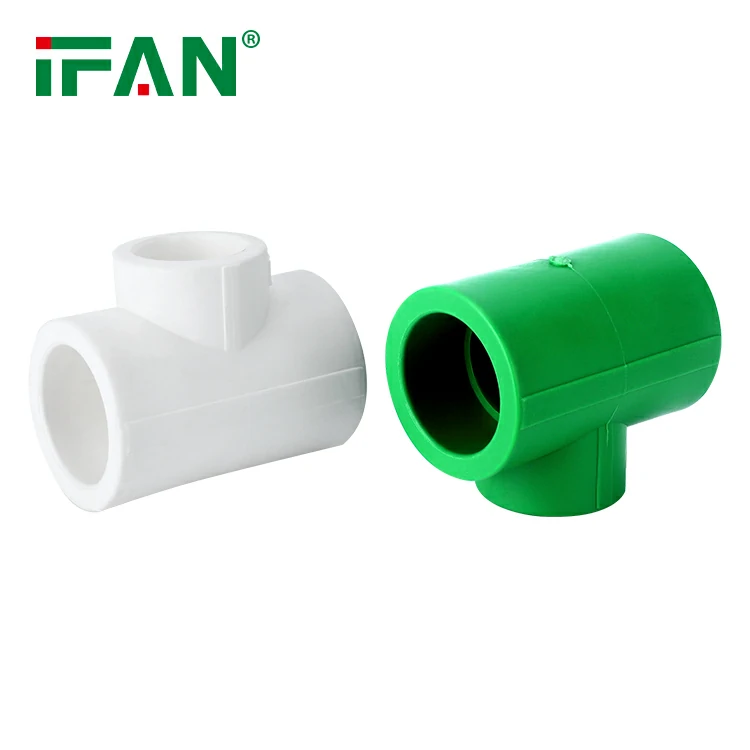
IFAN factory 30+ years manufacture experience support color /size customization support free sample.Welcome to consult for catalog and free samples.This is our Facebook Website:www.facebook.com,Click to watch IFAN’s product video.Compared with Tomex products, our IFAN products from quality to price are your best choice, welcome to buy!
When working on plumbing or home improvement projects, choosing the right components is crucial for ensuring the system’s durability and reliability. Among the many fittings available, brass fittings are a popular choice due to their strength, corrosion resistance, and versatility. In this article, we will explore the various types of brass fittings you can use in your home projects, their applications, and the benefits of using them.
What Are Brass Fittings?
Brass fittings are plumbing components made from an alloy of copper and zinc. They are widely used in residential and commercial plumbing systems because of their durability, strength, and resistance to corrosion. Brass fittings are designed to connect, seal, and secure pipes, ensuring smooth fluid flow and preventing leaks.
Key Advantages of Brass Fittings
Before diving into the different types of brass fittings, let’s first look at why brass is a popular material for plumbing:
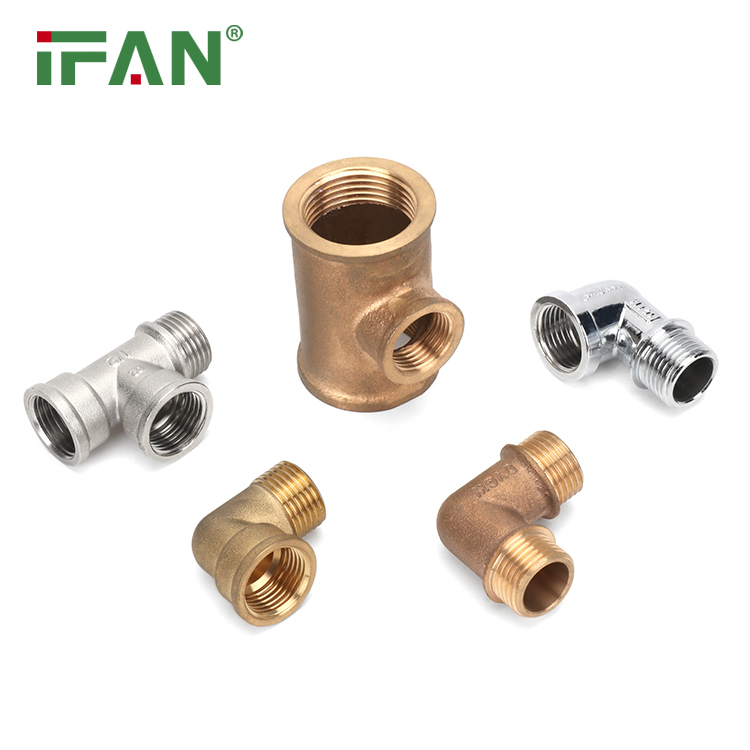
- Corrosion Resistance: Brass is resistant to rust and corrosion, making it ideal for plumbing applications that are exposed to water and moisture.
- Durability: Brass fittings can withstand high pressure and temperature fluctuations, ensuring long-lasting performance.
- Versatility: Brass fittings are compatible with a variety of pipe materials, including copper, PVC, and steel.
- Leak-Free Connections: When installed correctly, brass fittings create tight, secure seals that prevent leaks.
Types of Brass Fittings
Now that we understand the benefits of brass fittings, let’s explore the most common types used in home projects.
1. Compression Fittings
Compression fittings are one of the most common types of brass fittings used in residential plumbing. These fittings are used to join two pipes without the need for soldering or welding. A compression fitting typically consists of three components: a brass nut, a compression ring, and a fitting body.
How they work: When the nut is tightened, it compresses the ring around the pipe, creating a watertight seal. Compression fittings are ideal for copper, aluminum, and plastic pipes.
Applications: Compression fittings are commonly used in water supply lines, heating systems, and gas connections.
2. Elbow Fittings
Elbow fittings are used to change the direction of a pipe. They come in various angles, including 45° and 90°, and are essential when you need to reroute pipes around corners or obstacles.
How they work: Elbow fittings are typically joined to the pipes through threaded connections or soldering, providing a secure and leak-free joint.
Applications: Elbow fittings are commonly used in both residential and commercial plumbing systems, including water supply, drainage, and HVAC systems.
3. Tee Fittings
Tee fittings are used to branch off a pipe into two separate directions. These fittings have three openings: one for the incoming pipe and two for the outgoing pipes. Tee fittings are essential when you need to split the flow of water or other fluids.
How they work: Tee fittings are typically installed by threading or soldering. The precise design of the fitting ensures that the flow is divided evenly without causing pressure imbalances.
Applications: Tee fittings are widely used in water distribution systems, sprinkler systems, and gas systems.
4. Couplings
Couplings are used to connect two sections of pipe, allowing the system to be extended or repaired. Brass couplings can be either threaded or slip-on, making them versatile and easy to install.
How they work: Threaded couplings are screwed onto the ends of pipes, creating a tight seal. Slip-on couplings simply slide over the pipe and are often secured with hose clamps or welding.
Applications: Couplings are used to extend piping systems, connect two pipe sections, or repair damaged sections of piping.
5. Nipple Fittings
Nipple fittings are short lengths of pipe that have threads on both ends. These fittings are used to connect two other fittings or pipes, allowing for flexible adjustments or extensions.
How they work: Nipple fittings are installed by threading them into other components, ensuring a secure connection. Because they are short, they allow for easy adjustments in tight spaces.
Applications: Nipple fittings are used in a wide range of plumbing systems, including water heaters, gas lines, and fuel lines.
6. Cap and Plug Fittings
Cap and plug fittings are used to seal the ends of pipes or pipe sections. They are available in various sizes and are designed to prevent leaks, block fluid flow, or provide access points for maintenance.
How they work: Caps are placed over the end of the pipe, while plugs are inserted into the pipe and tightened to create a secure seal.
Applications: Cap and plug fittings are often used during system maintenance, repairs, or when a pipe needs to be temporarily sealed off.
7. Union Fittings
Union fittings are used to connect two pipes or fittings in a way that allows easy disconnection for repairs or maintenance. Unlike couplings, which are permanent connections, unions can be unscrewed and reattached.
How they work: Union fittings have a three-part design: a nut, a body, and a male and female connection. When the nut is tightened, the connection is secured, and when loosened, the parts can be easily separated.
Applications: Unions are commonly used in water filtration systems, pumps, and valves, where disconnection for maintenance is necessary.
8. Street Elbow Fittings
Street elbow fittings are similar to standard elbow fittings but feature a male thread on one end and a female thread on the other. These fittings are used to connect different types of pipes or fittings with ease.
How they work: Street elbows are installed by screwing the male thread into the pipe and the female thread into the other fitting, creating a tight, secure connection.
Applications: Street elbow fittings are often used in plumbing systems that require the connection of two different types of pipe materials.
Why Choose Brass Fittings for Your Home Projects?
Brass fittings offer several advantages over other types of fittings, making them the go-to choice for many plumbing applications. Here are some reasons why you should consider using brass fittings for your next home project:
- Longevity: Brass fittings last much longer than plastic or steel alternatives due to their corrosion-resistant properties.
- Ease of Installation: Many brass fittings, such as compression fittings, do not require specialized tools or soldering, making them easy to install even for DIY enthusiasts.
- Leak Prevention: Brass fittings are designed to create tight seals that prevent leaks, ensuring your plumbing system remains functional and efficient.
Frequently Asked Questions (FAQs)
1. What is the difference between brass and copper fittings?
Brass fittings are made from an alloy of copper and zinc, while copper fittings are made solely from copper. Brass fittings tend to be stronger and more resistant to corrosion than copper fittings.
2. Can brass fittings be used with PVC pipes?
Yes, brass fittings are compatible with PVC pipes, especially when using threaded or compression fittings. However, it’s essential to ensure that the connections are secure to prevent leaks.
3. Are brass fittings safe for drinking water systems?
Yes, brass fittings are non-toxic and safe for use in drinking water systems, as they meet regulatory standards for potable water.
4. Do brass fittings require regular maintenance?
Brass fittings are low-maintenance, but it’s a good idea to periodically check for leaks or wear. Tightening connections can help prevent potential issues.
5. Can I use brass fittings outdoors?
Yes, brass fittings are durable enough to be used outdoors, especially in systems exposed to the elements, such as garden irrigation or outdoor plumbing systems.
By understanding the different types of brass fittings and their applications, you can make informed decisions when planning your home projects. Whether you’re working on a small DIY plumbing project or a more extensive renovation, brass fittings offer reliability, strength, and long-lasting performance.