When it comes to plumbing and piping solutions, lead-free brass fittings have become a preferred choice due to their durability, corrosion resistance, and safety. However, cutting these fittings efficiently requires the right tools and techniques. In this article, we will explore how blades and saws work together to cut lead-free brass fittings, the types of blades suitable for this task, and best practices for achieving clean, precise cuts.
Understanding Brass Fittings
1. What Are Lead-Free Brass Fittings?
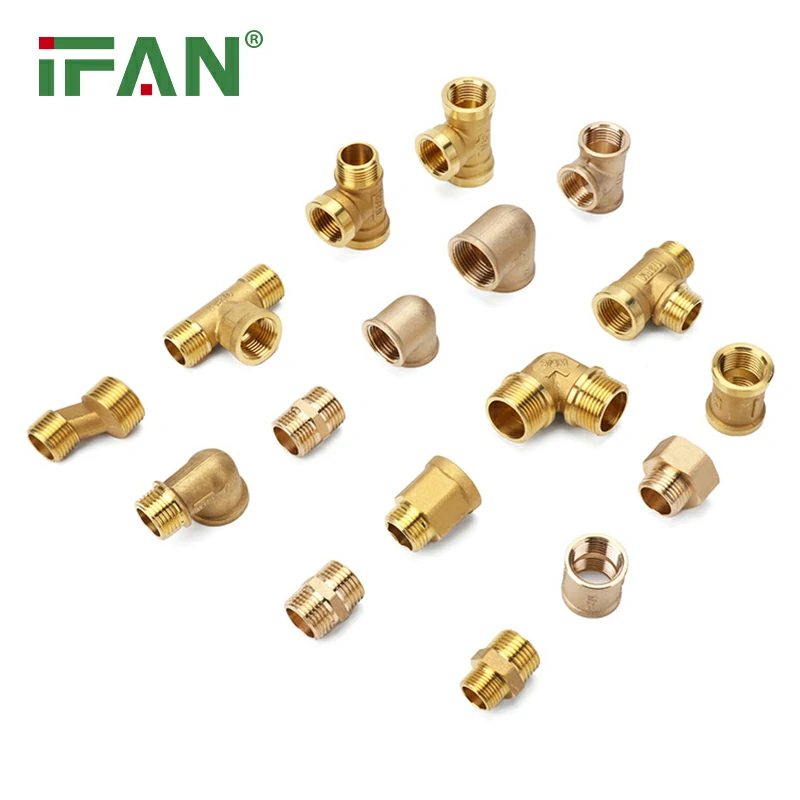
Lead-free brass fittings are plumbing components made from a mixture of copper, zinc, and other metals, designed to meet safety regulations regarding lead content. These fittings are commonly used in residential and commercial plumbing systems for their strength and resistance to corrosion, making them ideal for water supply lines and other applications.
2. Why Choose Lead-Free Brass?
Lead-free brass fittings are essential for health and safety, especially in applications involving drinking water. The absence of lead reduces the risk of contamination, making these fittings a responsible choice for any plumbing project. Additionally, lead-free brass fittings offer excellent durability and can withstand high pressures and temperatures.
The Importance of Cutting Tools
1. The Role of Blades and Saws
To cut lead-free brass fittings efficiently, it’s crucial to understand the role of blades and saws. Different types of saws and blades are designed for specific materials, and using the right combination will ensure clean cuts without damaging the fittings.
2. Types of Saws for Cutting Brass Fittings
Several types of saws can be used to cut lead-free brass fittings, including:
- Hacksaws: A manual saw with a fine-toothed blade, ideal for cutting small brass fittings. Hacksaws provide precision and control, making them suitable for detailed work.
- Band Saws: These saws use a continuous band of toothed metal to cut through materials. Band saws are efficient for larger fittings and can make straight cuts with ease.
- Miter Saws: Ideal for making angled cuts, miter saws can be equipped with specialized blades to cut brass fittings accurately.
- Table Saws: These are powerful saws that can handle larger fittings and provide precise cuts. They are often used in workshops for bulk cutting.
3. Types of Blades for Brass Cutting
Choosing the right blade is crucial for cutting lead-free brass fittings efficiently. Some of the most suitable blades include:
- Bi-Metal Blades: These blades combine high-speed steel with a flexible backing, making them durable and suitable for cutting brass. They resist wear and can handle various cutting speeds.
- Carbide-Tipped Blades: These blades are designed for heavy-duty cutting and can easily slice through brass fittings. Their durability ensures long-lasting performance.
- Fine-Toothed Blades: Blades with a higher tooth count provide smoother cuts, reducing the risk of chipping or damaging the brass fittings.
Best Practices for Cutting Lead-Free Brass Fittings
1. Preparing the Work Area
Before cutting brass fittings, it’s essential to prepare your work area. Ensure that you have a clean, well-lit space with adequate ventilation. Gather all necessary tools, including your chosen saw, blades, clamps, and safety equipment such as goggles and gloves.
2. Measuring and Marking
Accurate measurements are critical for making precise cuts. Use a measuring tape to determine the length needed for the fitting, and mark the cut line clearly with a pencil or marker. This step helps avoid mistakes and minimizes waste.
3. Securing the Fitting
To achieve a clean cut, secure the brass fitting in place using clamps or a vice. This prevents movement during cutting, ensuring accuracy and safety.
4. Cutting Techniques
When cutting lead-free brass fittings, follow these techniques for optimal results:
- Slow and Steady: Whether using a manual hacksaw or a power saw, maintain a steady pace. Rushing can lead to jagged edges or misaligned cuts.
- Use Lubrication: Applying cutting oil or lubricant can reduce friction and heat, prolonging the life of the blade and ensuring smoother cuts.
- Follow the Marked Line: Keep the blade aligned with the marked line to ensure a straight cut. For angled cuts, adjust the saw accordingly.
5. Finishing the Edges
After cutting, it’s essential to finish the edges of the brass fitting. Use a deburring tool or a file to remove sharp edges and burrs, ensuring a smooth surface for installation. This step is crucial for preventing leaks and ensuring a proper fit.
The Benefits of Efficient Cutting
1. Time-Saving
Using the right blades and saws to cut lead-free brass fittings efficiently saves time on the job. Quick, precise cuts allow for faster assembly and installation, keeping projects on schedule.