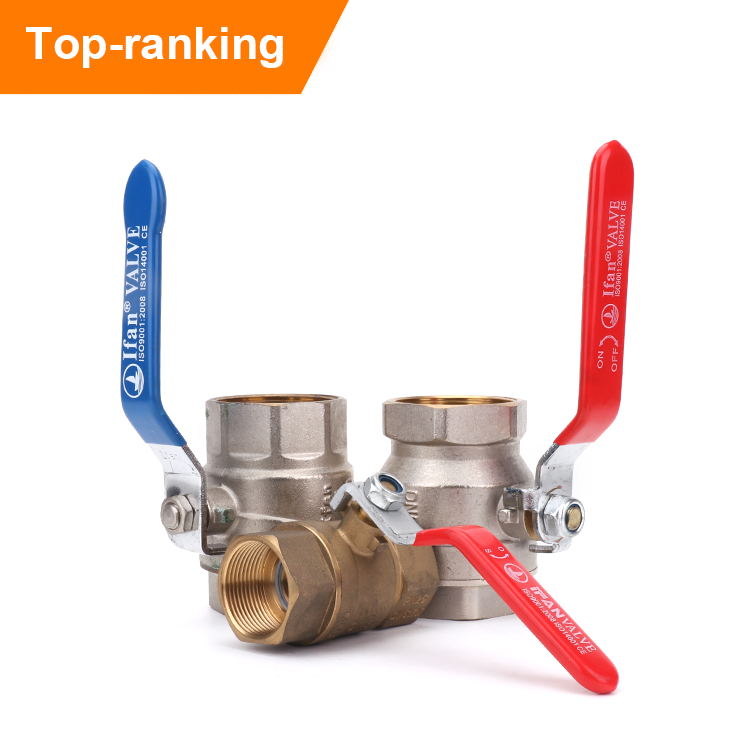
Maintaining and Troubleshooting Brass Ball Valves: Tips and Techniques
Introduction
Brass ball valves are widely used in plumbing systems due to their durability and reliability. However, like any other component, they require regular maintenance and occasional troubleshooting to ensure optimal performance. In this article, we will provide you with valuable tips and techniques for maintaining and troubleshooting brass ball valves. Let’s break down this topic into easy-to-understand sections.
1. Regular Inspection and Cleaning
Performing regular inspections of your brass ball valves is essential for preventive maintenance. Check for any signs of leaks, corrosion, or debris accumulation around the valve body. If you notice any issues, promptly clean the valve using a soft brush or cloth to remove dirt and debris. This will help prevent potential blockages and ensure smooth operation.
2. Lubrication of Moving Parts
To maintain the smooth operation of brass ball valves, it is important to lubricate the moving parts periodically. Apply a small amount of silicone-based lubricant or plumber’s grease to the valve stem and other moving components. This will reduce friction and extend the lifespan of the valve, ensuring easy operation and preventing premature wear and tear.
3. Dealing with Leaks
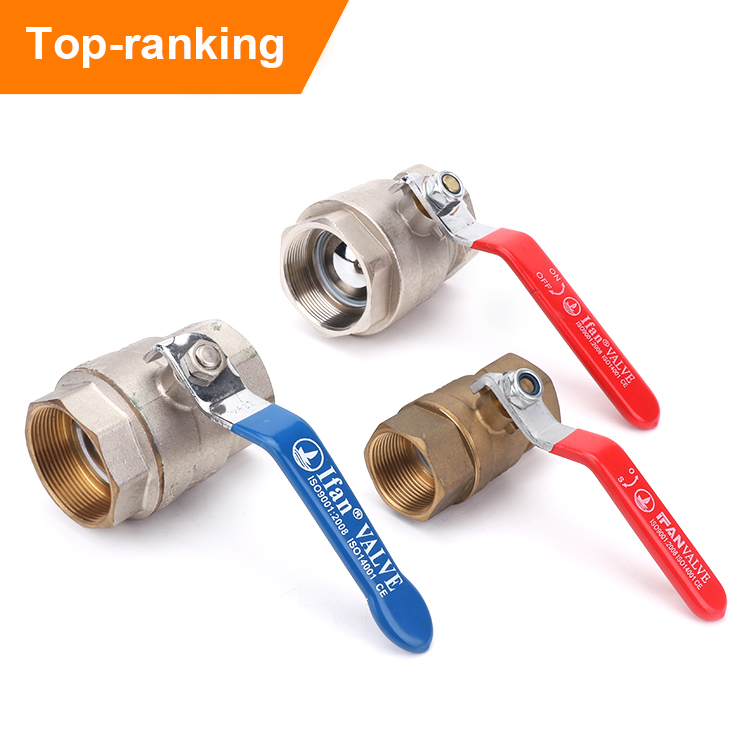
If you encounter leaks in your brass ball valve, there are a few troubleshooting steps you can take. First, check the valve connections to ensure they are tightened properly. If the leak persists, the valve may require a new seal or gasket. In such cases, carefully disassemble the valve, replace the worn-out seal or gasket, and reassemble it. If the leak still persists, it is advisable to consult a professional plumber for further assistance.
4. Addressing Stiff or Difficult Operation
Over time, brass ball valves may become stiff or difficult to operate. This can be due to debris accumulation, corrosion, or lack of lubrication. Start by cleaning the valve thoroughly to remove any debris or buildup. If the valve is still difficult to operate, apply lubricant to the stem and other moving parts. In severe cases, the valve may need to be disassembled for a more thorough cleaning or repair.
5. Preventing Freezing in Cold Weather
During freezing temperatures, it is important to prevent brass ball valves from freezing to avoid damage. Insulate exposed pipes and valves with foam insulation or heat tape. In severe weather conditions, consider draining the water from the plumbing system and shutting off the valve to prevent freezing and potential pipe bursts. Taking these preventive measures will help protect your brass ball valves during cold weather.
Conclusion
Maintaining and troubleshooting brass ball valves is crucial for their optimal performance and longevity. Regular inspections, cleaning, lubrication, and addressing leaks or operational issues are essential for keeping these valves in excellent condition. Additionally, taking preventive measures, such as insulation and draining in cold weather, will protect them from freezing. By following these tips and techniques, you can effectively maintain and troubleshoot your brass ball valves, ensuring their reliable performance and extending their lifespan.