Introduction
Water scarcity is a pressing global issue, with millions of people facing challenges in accessing clean and safe drinking water. One of the significant contributors to this crisis is water loss due to leaks and inefficiencies in plumbing systems. In response to this challenge, the Ministry of Water Resources has recently welcomed the introduction of new Polypropylene Random Copolymer (PPR) pipes, designed specifically to address water loss in distribution networks. This article explores the features and benefits of PPR pipes, the implications of their adoption, and the potential impact on water conservation efforts.
Understanding PPR Pipes
What Are PPR Pipes?
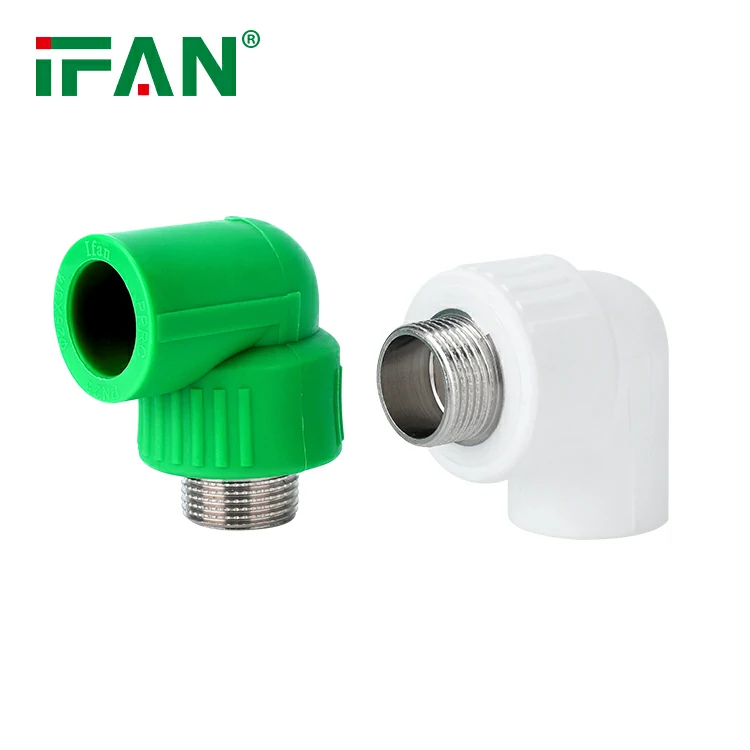
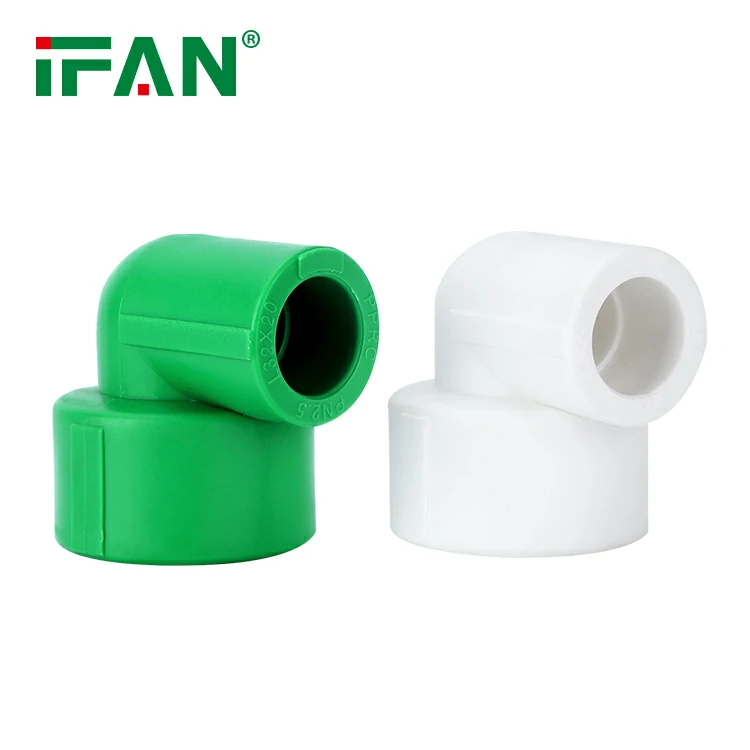
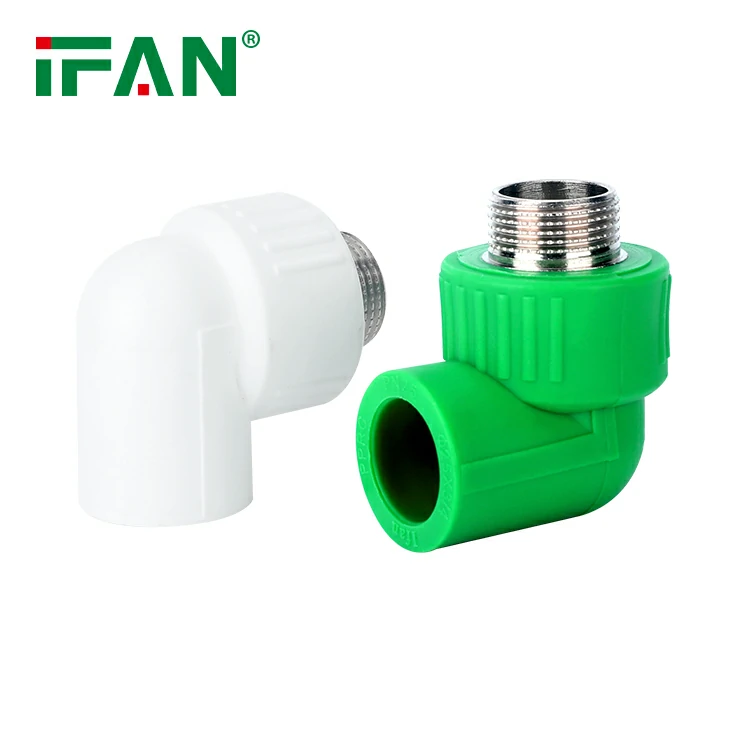
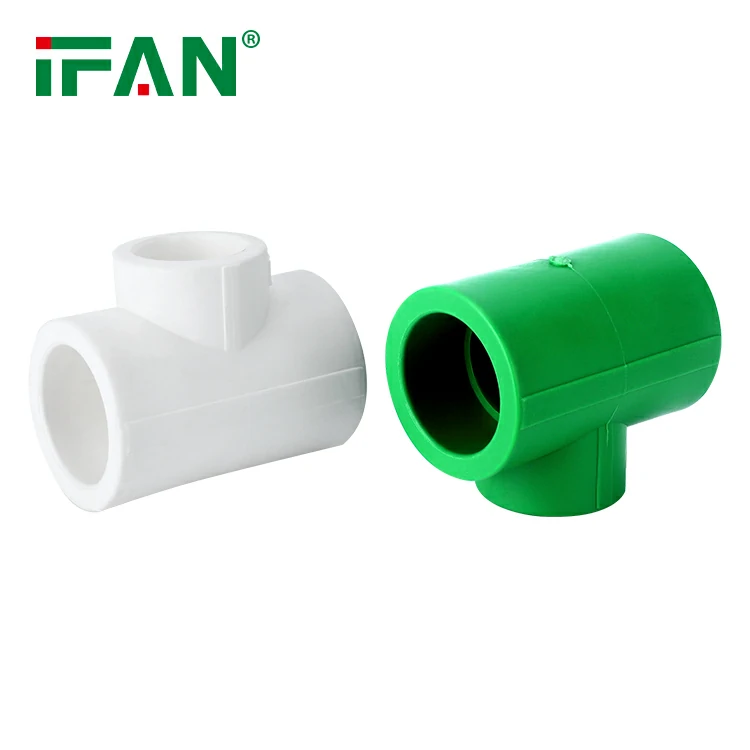
Polypropylene Random Copolymer (PPR) pipes are a type of thermoplastic piping made from a high-quality polymer known for its strength, durability, and versatility. PPR pipes are commonly used in plumbing systems for both residential and commercial applications, including hot and cold water supply, heating systems, and irrigation.
Key Features of PPR Pipes
- Corrosion Resistance: One of the most significant advantages of PPR pipes is their resistance to corrosion. Unlike traditional metal pipes, PPR pipes do not rust or corrode, ensuring that the transported water remains uncontaminated.
- High Temperature and Pressure Tolerance: PPR pipes can withstand temperatures of up to 95°C (203°F) and pressures of up to 20 bars (approximately 290 psi), making them suitable for various applications, including hot water supply lines.
- Lightweight and Easy to Install: PPR pipes are lightweight, making them easy to handle and install. This feature reduces labor costs and installation time, which is particularly beneficial for large-scale plumbing projects.
- Low Maintenance Requirements: Due to their durability and resistance to scaling and deposits, PPR pipes require minimal maintenance, leading to long-term savings for both consumers and municipalities.
- Environmental Sustainability: PPR pipes are recyclable, which contributes to reduced waste in plumbing projects and promotes sustainable practices within the industry.
The Ministry’s Initiative to Reduce Water Loss
Addressing Water Loss
Water loss in distribution systems is a critical issue that affects water availability and quality. According to estimates, up to 30% of water is lost in urban distribution networks due to leaks, outdated infrastructure, and inefficient systems. The Ministry of Water Resources aims to tackle this issue head-on by endorsing the use of PPR pipes in new projects and upgrades to existing infrastructure.
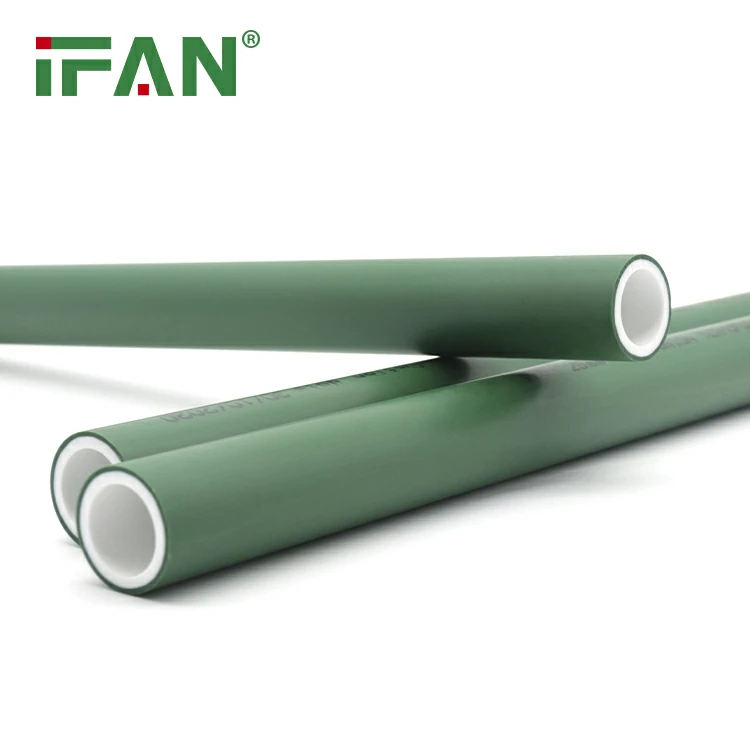
Benefits of Adopting PPR Pipes
- Leak Prevention: The fusion process used in PPR pipe installation creates strong, leak-proof joints that significantly reduce the risk of leaks compared to traditional piping materials. This feature is crucial in minimizing water loss in distribution networks.
- Long Lifespan: PPR pipes have a long lifespan, often exceeding 50 years, which reduces the need for frequent replacements and maintenance. This longevity translates to lower overall costs for municipalities and water authorities.
- Improved Water Quality: The smooth interior surface of PPR pipes prevents the buildup of scale and bacteria, ensuring that the water transported remains clean and safe for consumption.
- Cost-Effectiveness: While the initial investment in PPR pipes may be higher than traditional materials, the long-term savings associated with reduced maintenance, lower water loss, and improved efficiency make them a cost-effective choice for municipalities.
- Support for Sustainable Practices: By adopting PPR pipes, the Ministry is promoting sustainable water management practices that align with global efforts to conserve water resources and reduce environmental impact.
Implementation of PPR Pipes in Water Systems
Pilot Projects
The Ministry of Water Resources has initiated several pilot projects across various regions to test the effectiveness of PPR pipes in reducing water loss. These projects involve the installation of PPR pipes in both urban and rural areas, allowing for a comprehensive evaluation of their performance in different environments.
Collaboration with Local Authorities
To ensure the successful implementation of PPR pipes, the Ministry is collaborating with local water authorities and municipalities. This partnership aims to provide training and resources for the installation and maintenance of PPR piping systems, ensuring that local teams are equipped with the knowledge and skills needed to manage these new materials effectively.
Public Awareness Campaigns
In addition to technical implementation, the Ministry is launching public awareness campaigns to educate communities about the benefits of PPR pipes and the importance of water conservation. These campaigns will highlight the role of efficient plumbing systems in reducing water loss and promoting sustainable practices.
The Future of Water Management with PPR Pipes
Potential Impact on Water Conservation
The introduction of PPR pipes has the potential to make a significant impact on water conservation efforts. By reducing water loss in distribution systems, municipalities can ensure that more water is available for consumption, agriculture, and industrial use. This is particularly important in regions facing water scarcity and increasing demand.
Innovation in Water Infrastructure
The adoption of PPR pipes represents a shift towards more innovative and sustainable water infrastructure. As municipalities invest in modern plumbing solutions, they can improve the efficiency and reliability of their water supply systems, ultimately benefiting communities and the environment.
Aligning with Global Goals
The Ministry’s initiative to promote PPR pipes aligns with global goals for sustainable development, particularly those related to clean water and sanitation. By prioritizing efficient water management practices, the Ministry is contributing to a more sustainable future for all.
Conclusion
The Ministry of Water Resources’ endorsement of new PPR pipes marks a significant step towards reducing water loss and promoting sustainable water management practices. With their numerous advantages, including durability, leak resistance, and low maintenance requirements, PPR pipes are well-positioned to transform water distribution systems across the country. As municipalities adopt these innovative solutions, the potential for improved water conservation and enhanced infrastructure becomes increasingly attainable.
Frequently Asked Questions (FAQs)
1. What are PPR pipes used for?
PPR pipes are commonly used for hot and cold water supply, heating systems, irrigation, and various industrial applications.
2. How do PPR pipes help reduce water loss?
PPR pipes feature a fusion process that creates strong, leak-proof joints, significantly reducing the risk of leaks in distribution systems.
3. Are PPR pipes safe for drinking water?
Yes, PPR pipes are non-toxic and free from harmful chemicals, making them a safe choice for transporting potable water.
4. What is the lifespan of PPR pipes?
PPR pipes typically have a lifespan of over 50 years, which reduces the need for frequent replacements and maintenance.
5. How can municipalities implement PPR pipes in their systems?
Municipalities can implement PPR pipes through pilot projects, collaboration with local authorities, and public awareness campaigns to educate communities about their benefits.