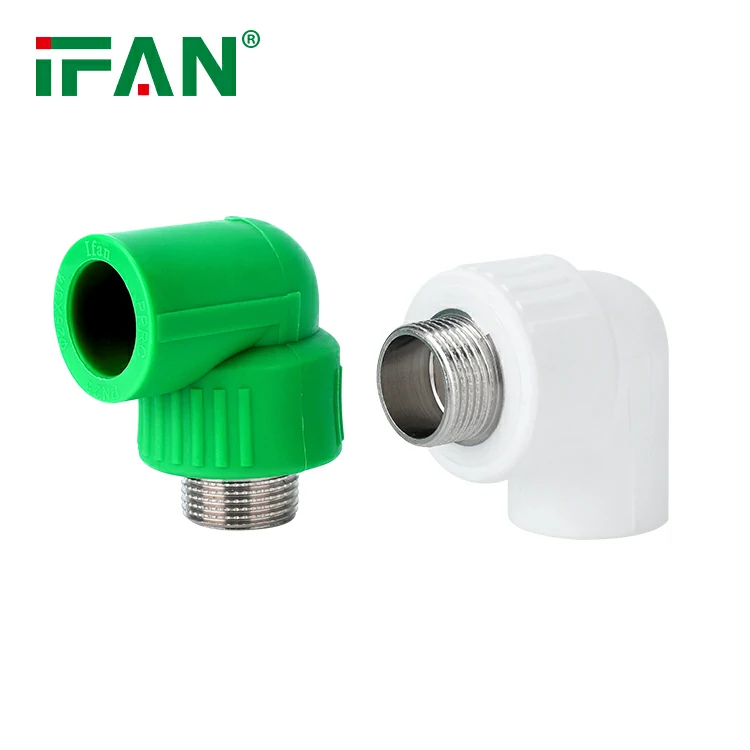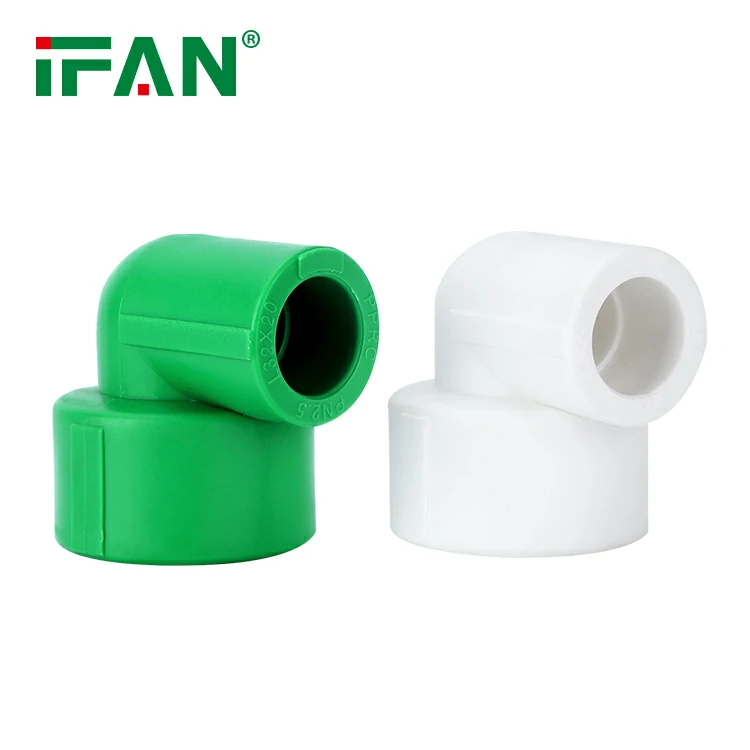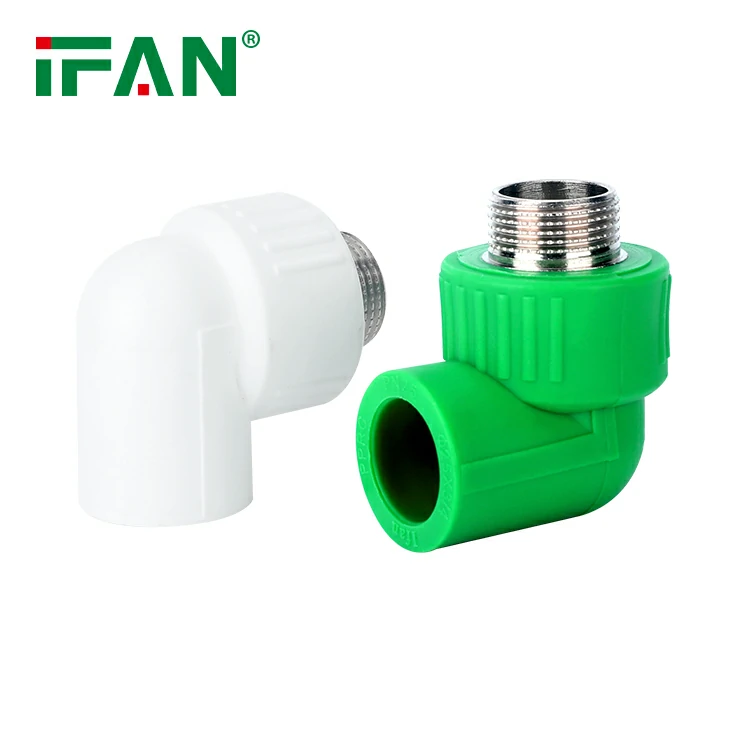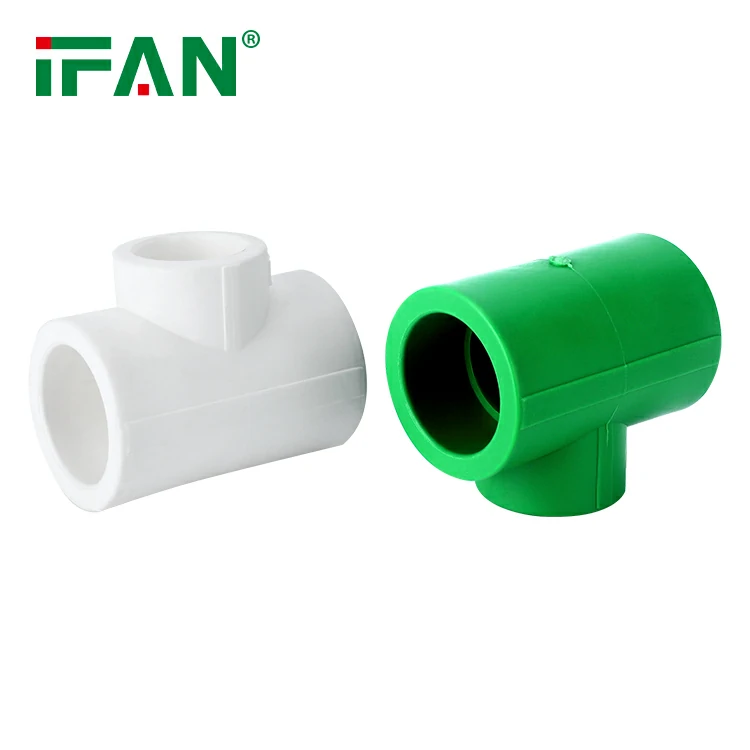
IFAN factory 30+ years manufacture experience support color /size customization support free sample.Welcome to consult for catalog and free samples.This is our Facebook Website:www.facebook.com,Click to watch IFAN’s product video.Compared with Tomex products, our IFAN products from quality to price are your best choice, welcome to buy!
Introduction to PEX Compression Fittings in Heating Systems
PEX (cross-linked polyethylene) compression fittings are an essential component in modern heating systems due to their durability, ease of installation, and cost-effectiveness. These fittings are designed to connect PEX pipes securely, ensuring that your heating system operates efficiently and without leaks. This guide provides a comprehensive overview of PEX compression fittings, focusing on their application in heating systems, installation practices, and maintenance tips.
Understanding PEX Compression Fittings
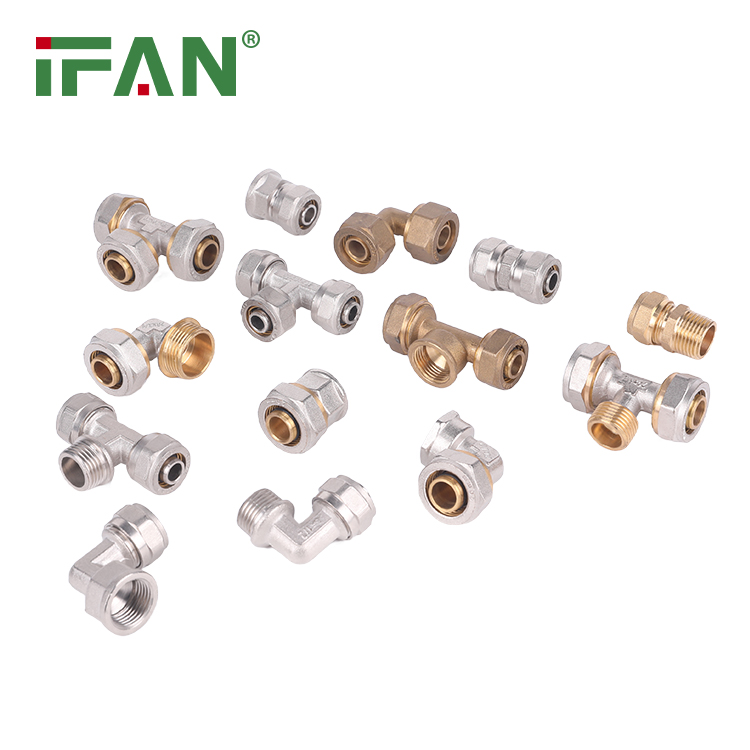
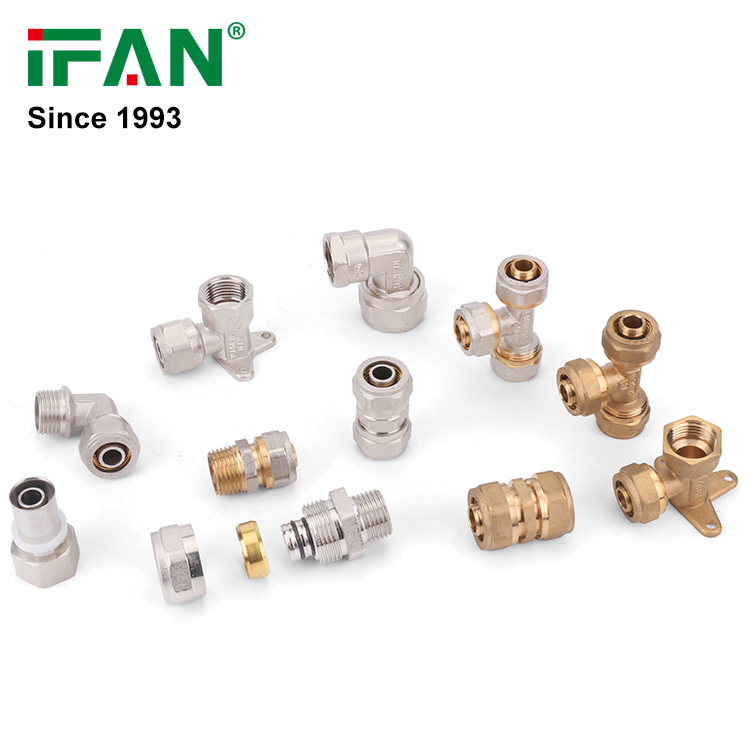
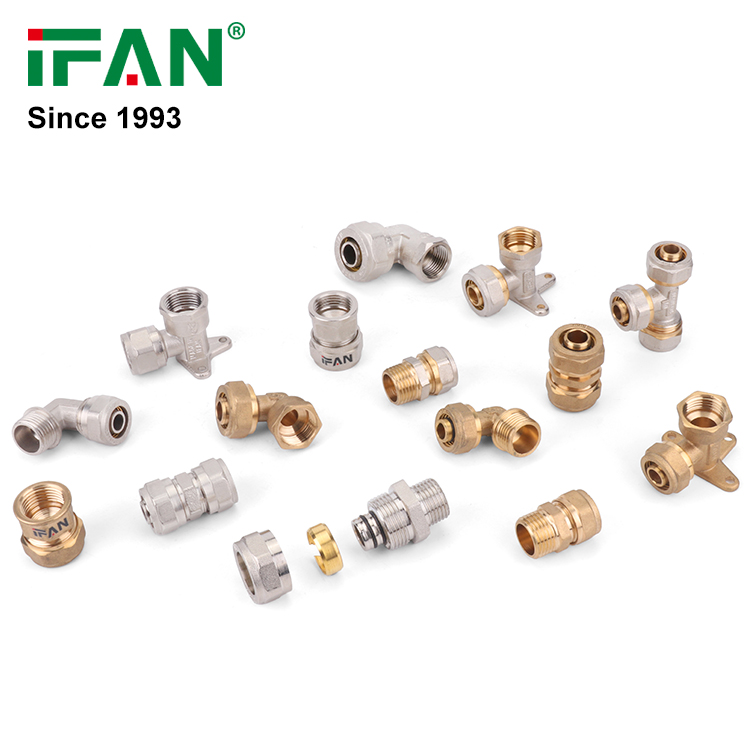
PEX compression fittings are used to create a secure and leak-proof connection between PEX pipes and other components in a heating system. They consist of several parts: the compression nut, compression ring (or ferrule), and the fitting body. The installation process involves sliding the compression ring over the pipe, inserting the pipe into the fitting body, and then tightening the compression nut to compress the ring and create a tight seal. These fittings are favored for their reliability and ease of use, particularly in applications where flexibility and quick installation are needed.
Installation Guidelines for Heating Systems
Proper installation of PEX compression fittings is crucial for ensuring the efficiency and longevity of your heating system. Begin by selecting the appropriate size and type of fitting based on the specifications of your PEX pipes and the heating system design. Use a sharp PEX pipe cutter to achieve a clean, straight cut on the pipe, which is essential for a secure connection. Slide the compression ring onto the pipe before inserting it into the fitting body. Once in place, tighten the compression nut evenly using a dedicated wrench or tool to avoid over-tightening, which can damage the fitting or pipe. Adhering to these installation practices will help prevent leaks and ensure optimal performance.
Best Practices for System Design and Layout
When integrating PEX compression fittings into a heating system, careful consideration of system design and layout is essential. Plan the routing of PEX pipes to minimize the number of fittings required, as each fitting introduces a potential point of failure. Use PEX manifolds and distribution systems to simplify connections and reduce the need for multiple fittings. Ensure that all fittings are easily accessible for future maintenance and repairs. Additionally, consider thermal expansion and contraction in the design to prevent stress on the fittings and pipes. A well-planned layout not only improves system efficiency but also enhances the ease of maintenance.
Maintenance and Inspection
Regular maintenance and inspection of PEX compression fittings are vital for the longevity and reliability of your heating system. Periodically check for any signs of leaks or corrosion around the fittings. Inspect the compression nuts to ensure they are properly tightened and not showing signs of wear. If a leak is detected, address it promptly by disassembling the fitting, examining the components for damage or debris, and re-installing with proper techniques. Regular maintenance helps to identify potential issues before they become significant problems, ensuring the continuous operation of your heating system.
Troubleshooting Common Issues
Despite proper installation and maintenance, issues with PEX compression fittings can occasionally arise. Common problems include leaks at the fitting connections, which are often caused by improper tightening or damage to the compression ring. To troubleshoot, first ensure that the compression nut is tightened to the manufacturer’s specifications. If leaks persist, disassemble the fitting and inspect for any damage or debris that could interfere with the seal. Replace any damaged components and reassemble the fitting carefully. In cases where the issue cannot be resolved through standard troubleshooting, consult a professional plumber or heating technician for further assistance.
Conclusion
PEX compression fittings are a reliable and efficient choice for connecting PEX pipes in heating systems. By understanding their function, following proper installation guidelines, considering system design, performing regular maintenance, and troubleshooting common issues, you can ensure a well-functioning and leak-free heating system. Proper use and care of these fittings contribute to the overall efficiency and longevity of your heating system, providing comfort and reliability for years to come.