Introduction to PPR Female Union
In the plumbing and piping industry, the PPR Female Union stands as a vital component for connecting and disconnecting pipelines with ease. This article delves into the intricacies of the PPR Female Union, exploring its features, applications, and why it remains a preferred choice for professionals in the field.
What is a PPR Female Union?
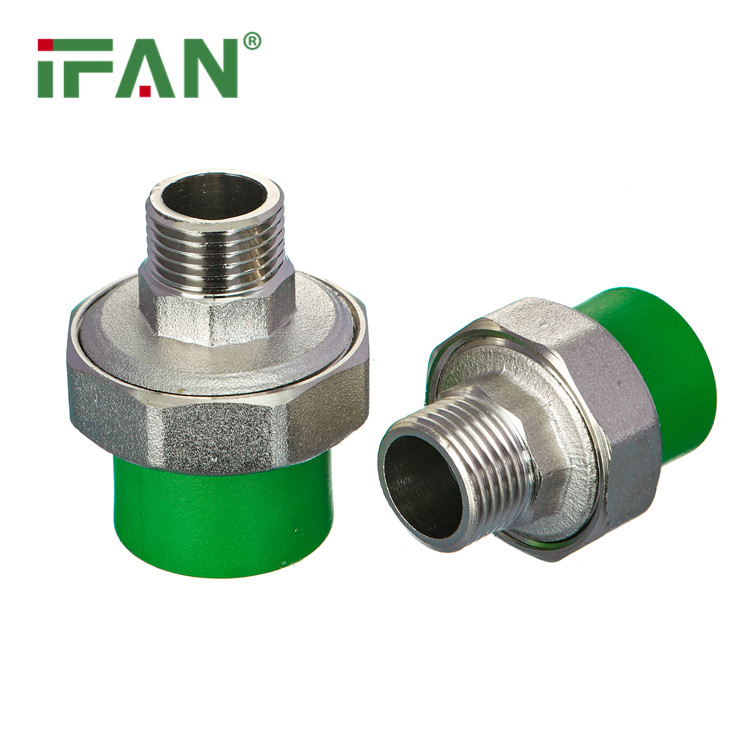
A PPR Female Union, also known as a compression coupling or compression fitting, is a type of pipe fitting that allows for the connection and disconnection of two pipes with female threads. Made from Polypropylene Random Copolymer (PPR), this fitting offers superior resistance to corrosion and chemicals, ensuring durability and long-lasting performance.
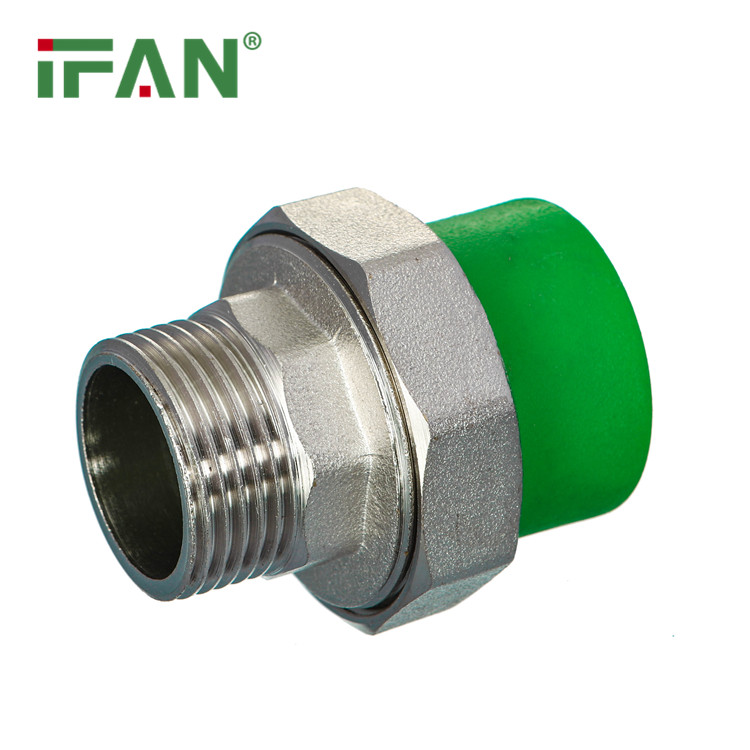
Key Features of PPR Female Union
- Durability: The PPR material ensures that the female union can withstand harsh environments and chemicals, making it a reliable choice for various applications.
- Corrosion Resistance: The material’s innate resistance to corrosion ensures that the fitting will not degrade over time, maintaining its structural integrity.
- Ease of Use: The female threads allow for quick and easy installation and removal, saving time and effort on the job site.
- Versatility: The PPR Female Union can be used in a wide range of piping systems, from residential plumbing to industrial fluid transfer.
Applications of PPR Female Union
The PPR Female Union finds numerous applications across various industries, including:
- Plumbing: Used in residential and commercial buildings for connecting and disconnecting pipes in water supply and drainage systems.
- Irrigation: Ideal for agricultural applications, where the easy installation and removal of pipes facilitate maintenance and repairs.
- Industrial Applications: Suitable for connecting pipes in chemical processing plants, food and beverage manufacturing, and other industries that require a corrosion-resistant solution.
Installation and Maintenance of PPR Female Union
When installing a PPR Female Union, it’s crucial to ensure that the pipe ends are clean and free of debris. Apply an appropriate thread sealant to prevent leaks and ensure a secure connection. Regular maintenance and inspection of the female union are also essential to ensure its continued performance and longevity.
Conclusion
The PPR Female Union remains a preferred choice for professionals in the plumbing and piping industry due to its durability, corrosion resistance, ease of use, and versatility. Its ability to connect and disconnect pipes quickly and easily makes it a valuable asset on any job site. Understanding the features and proper installation techniques of the PPR Female Union is essential for ensuring efficient and reliable piping systems.