How Does a Brass Gate Valve Work in Plumbing
Whatsapp Us
WhatsApp
Share
Facebook
Twitter
LinkedIn
Description
A brass gate valve is one of the most widely used shut-off valves in plumbing systems. It is designed to fully open or fully close the flow of water or other fluids. Understanding how it works helps in choosing the right valve for residential and commercial piping systems.
What Is a Brass Gate Valve
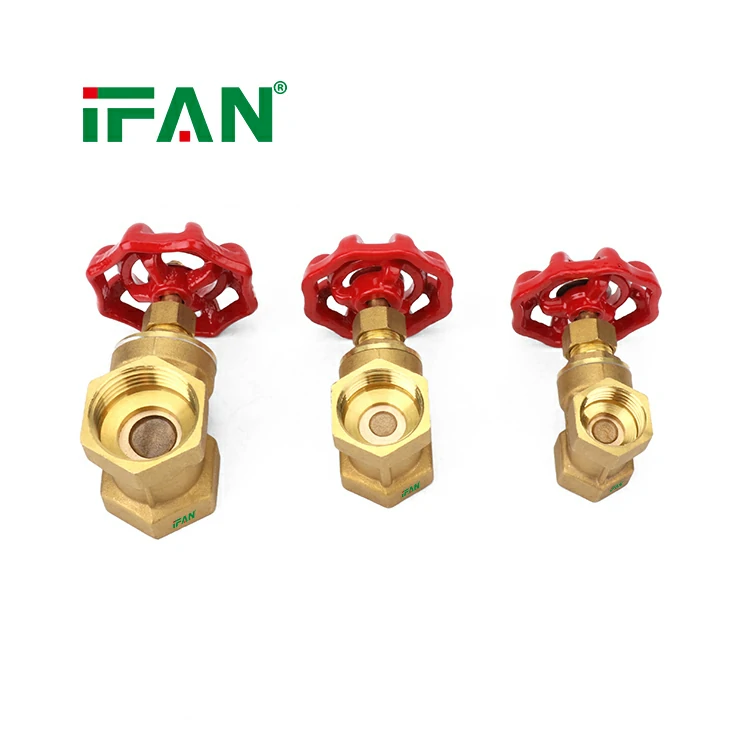
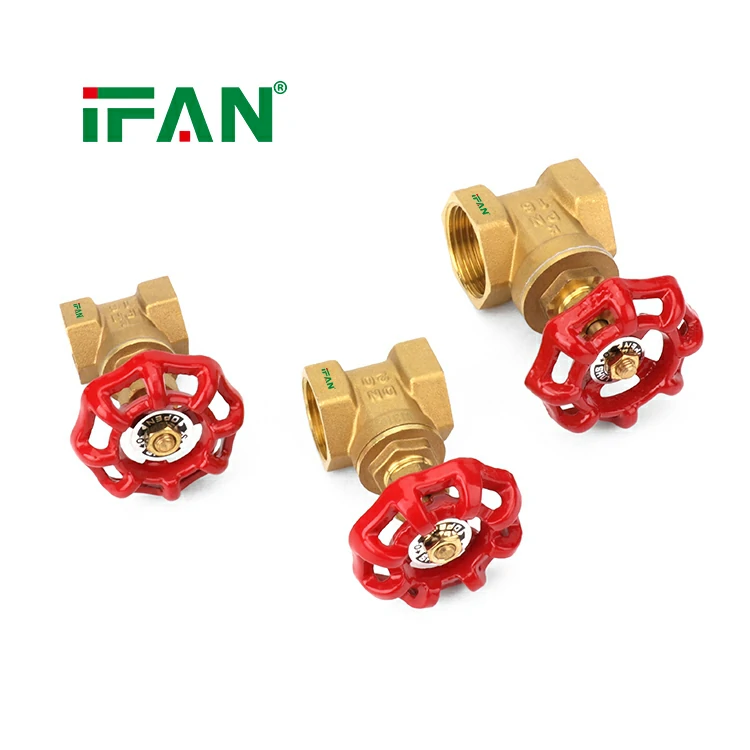
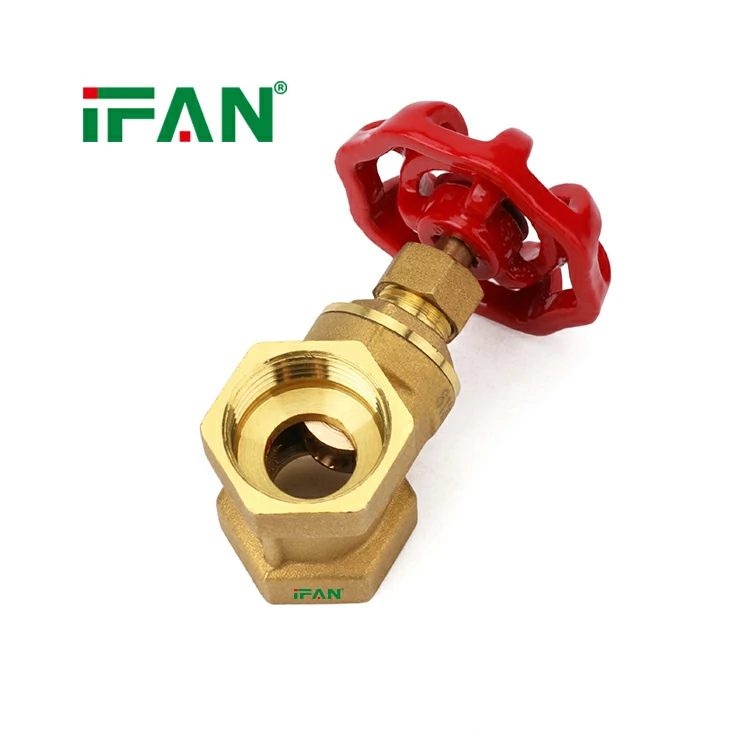
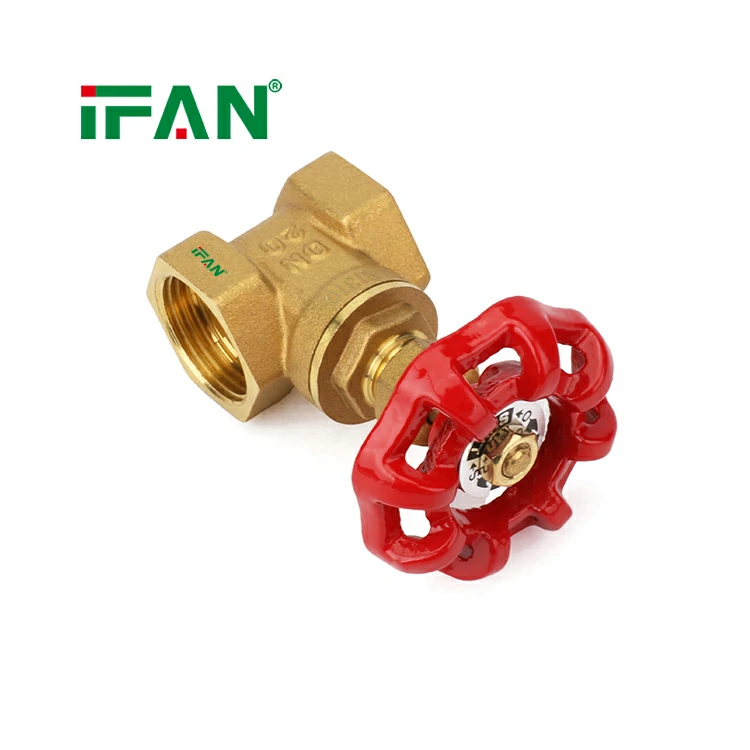
A brass gate valve is a linear motion valve made primarily from brass. It uses a flat or wedge-shaped “gate” that moves up and down inside the valve body. This movement controls whether water flows through the pipe or is completely blocked. Brass is commonly used because it resists corrosion and handles pressure well. It is suitable for both hot and cold water systems, which makes it a standard choice in plumbing installations.Basic Working Principle
The working principle of a brass gate valve is simple. It operates by raising or lowering a metal gate inside the valve body. When the handwheel is turned, the stem moves the gate:- Turning the wheel clockwise lowers the gate
- Turning it counterclockwise raises the gate
Internal Structure Explained
A typical brass gate valve includes several key parts:- Handwheel
- Stem
- Gate (or wedge)
- Valve body
- Seat
How It Works in Plumbing Systems
In plumbing systems, brass gate valves are installed to control water supply in different sections of piping. They are often placed in main lines, branch lines, or near fixtures. When maintenance is required, the valve can shut off water to a specific area without affecting the entire system. This makes repairs more efficient and reduces water loss. For example, if a pipe leak occurs in a bathroom line, the gate valve can isolate that section while the rest of the building continues to receive water.Flow Characteristics
One important feature of gate valves is their low flow resistance. When fully open, the gate is completely out of the water path. This allows fluid to pass with minimal pressure drop. This makes brass gate valves suitable for systems where maintaining strong flow is important. However, partially opening the valve is not recommended, as it may cause vibration and wear on the gate surface.Advantages of Brass Gate Valves
Brass gate valves offer several practical benefits:- Strong resistance to corrosion
- Long service life in plumbing systems
- Reliable sealing performance
- Suitable for high and low pressure systems
- Easy manual operation
Common Applications
Brass gate valves are used in many plumbing scenarios, including:- Home water supply systems
- Commercial building pipelines
- Irrigation systems
- Heating and cooling systems
- Industrial fluid control lines
Maintenance Considerations
Although brass gate valves are durable, they still require occasional maintenance. Over time, mineral deposits or corrosion may affect smooth operation. To maintain performance:- Operate the valve periodically to prevent sticking
- Avoid using it in partially open positions
- Check for leaks around the stem and seals
- Replace worn seals when necessary
Conclusion
A brass gate valve works by lifting or lowering a gate to control water flow in a plumbing system. Its simple design, strong durability, and reliable shut-off capability make it a key component in modern piping networks. While it is not meant for flow regulation, it performs exceptionally well as an isolation valve. For plumbers and system designers, understanding its working principle is essential for efficient and safe water control systems.Related products
-
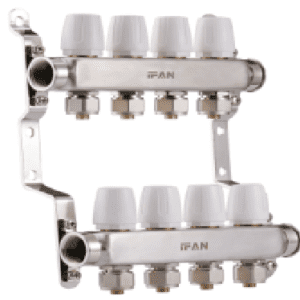 Manifolds
Stainless Steel Manifolds
-
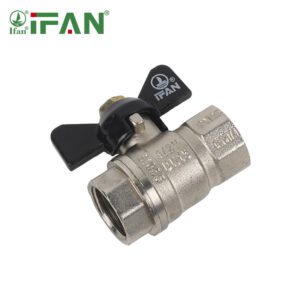 Ball Valve
Brass Ball Valve
-
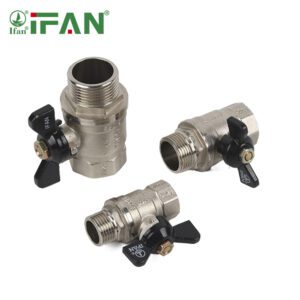 Ball Valve
Brass Ball Valve
-
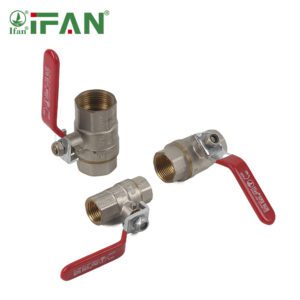 Ball Valve
IFAN Brass Ball Valve 81053