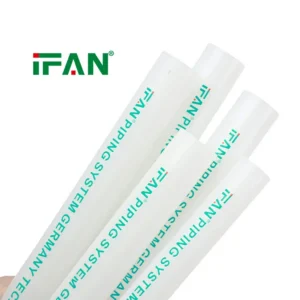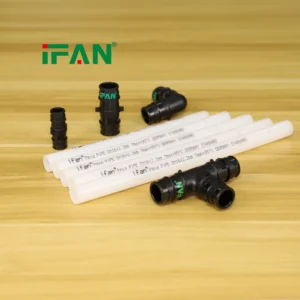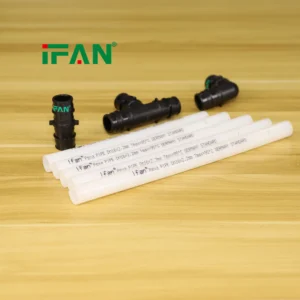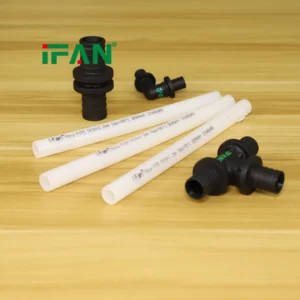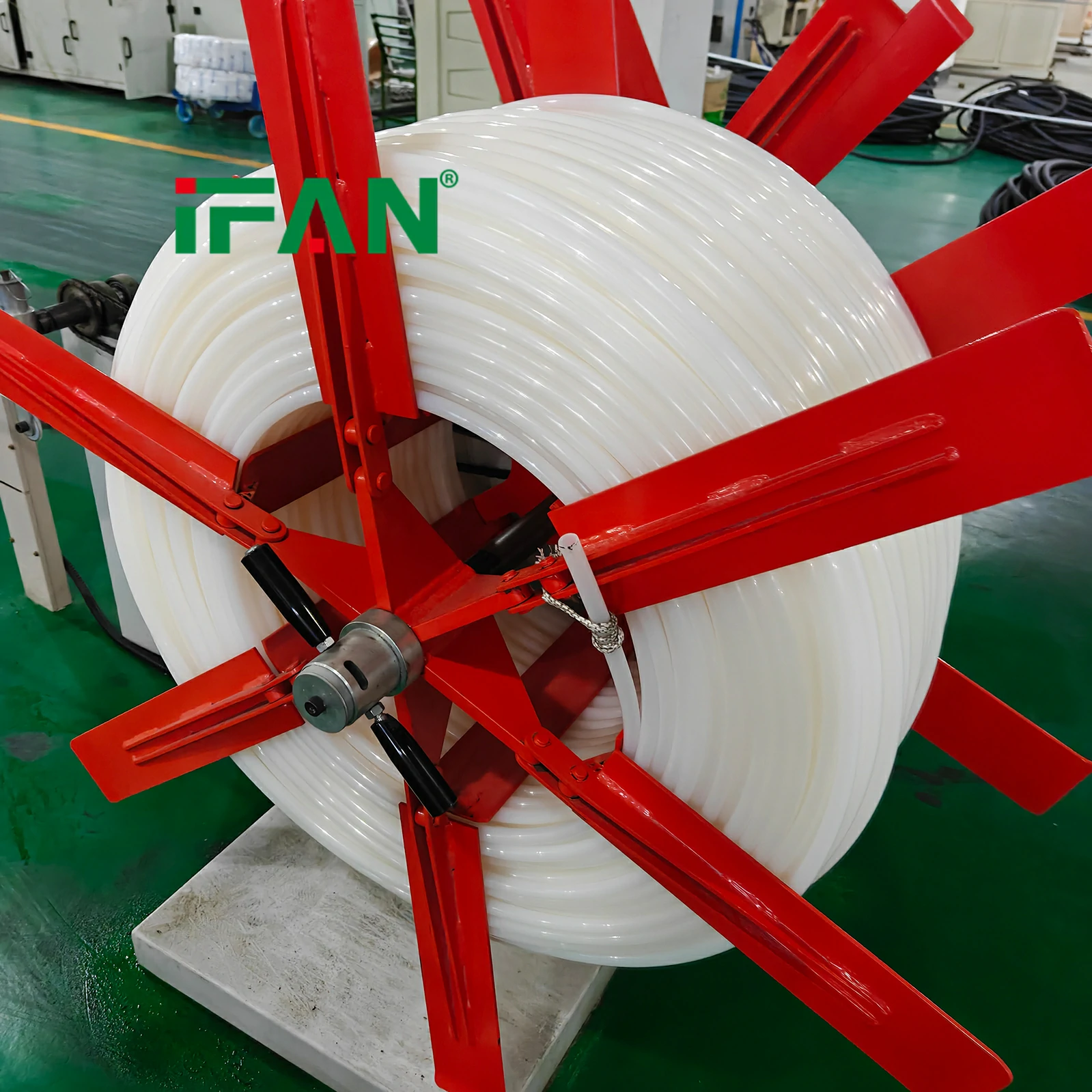
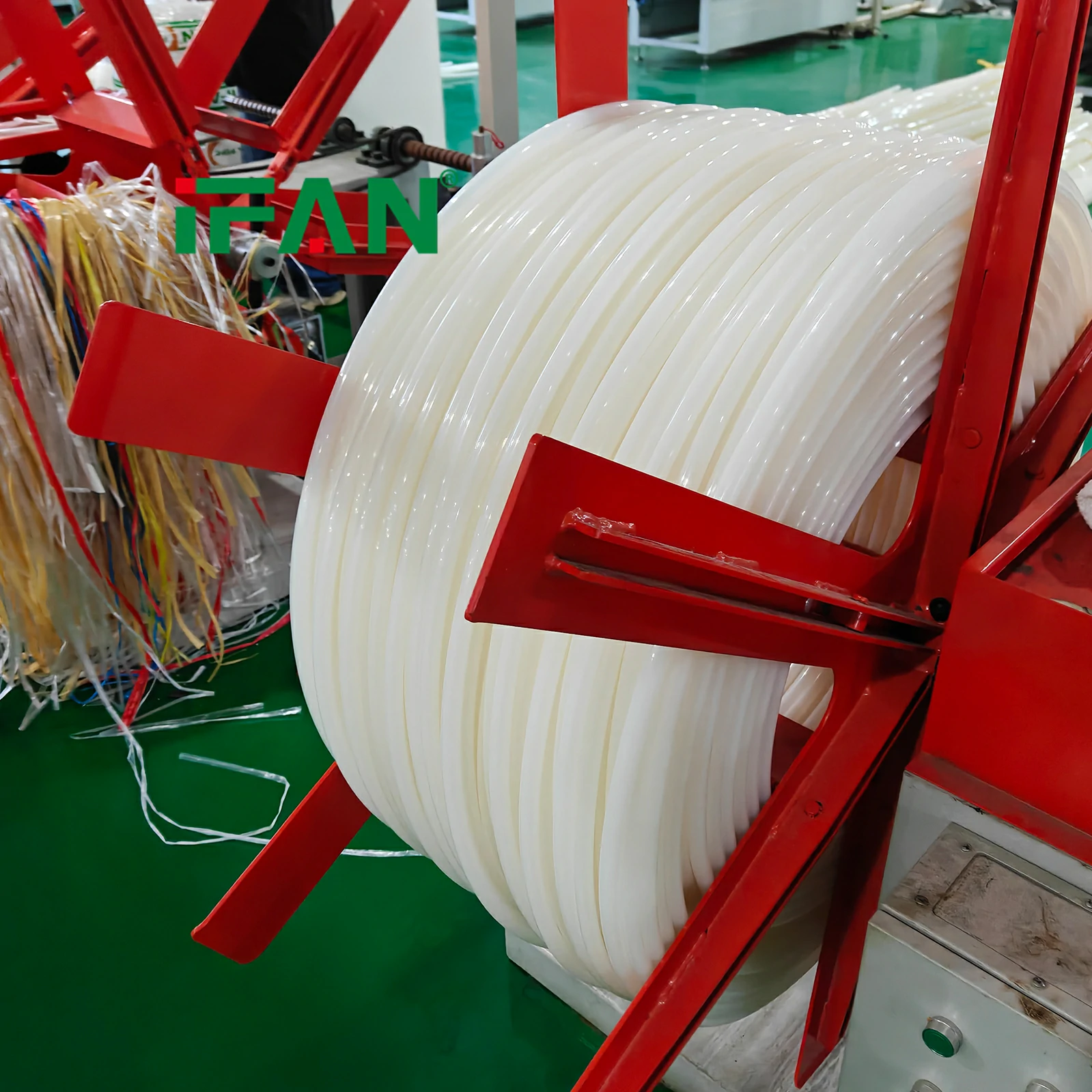
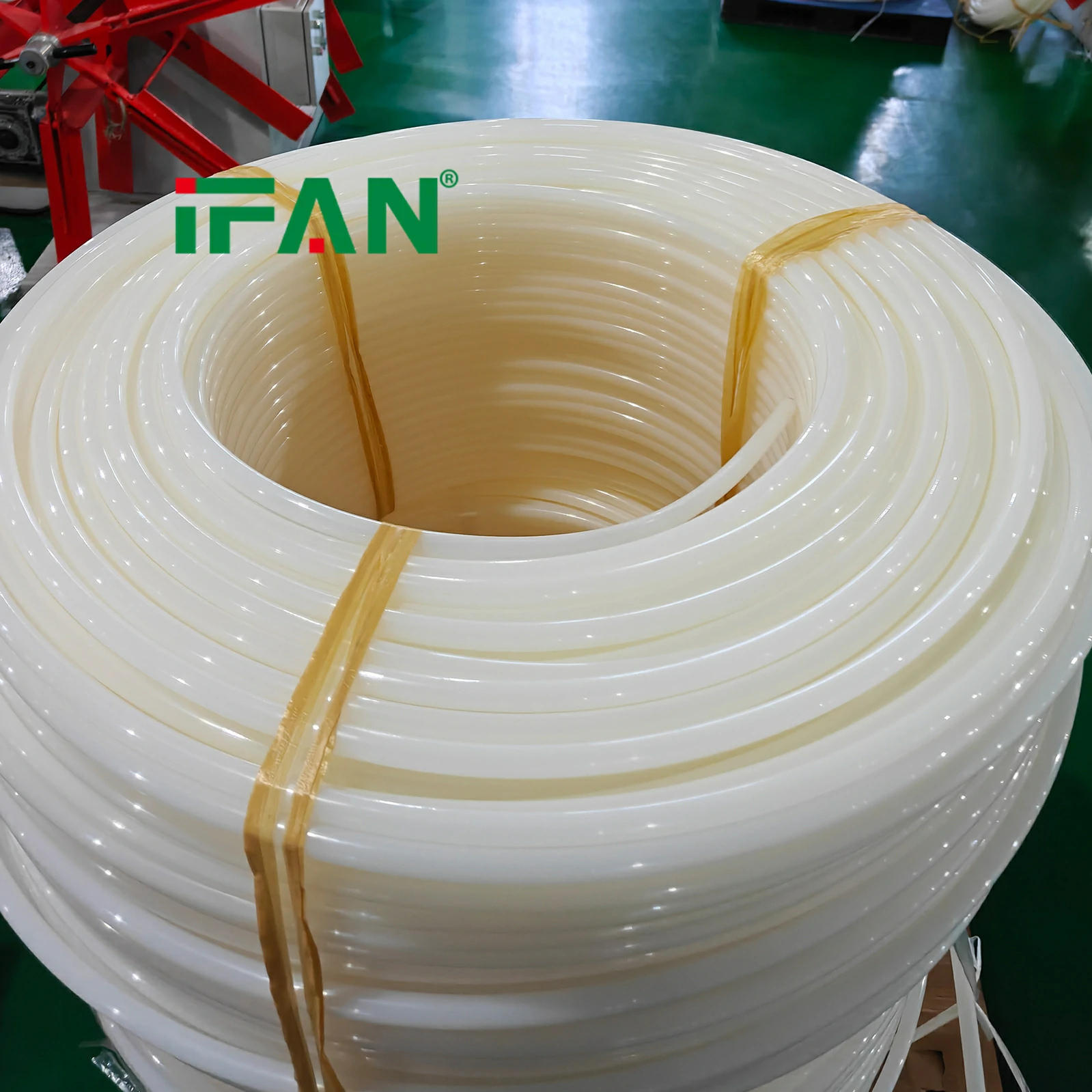
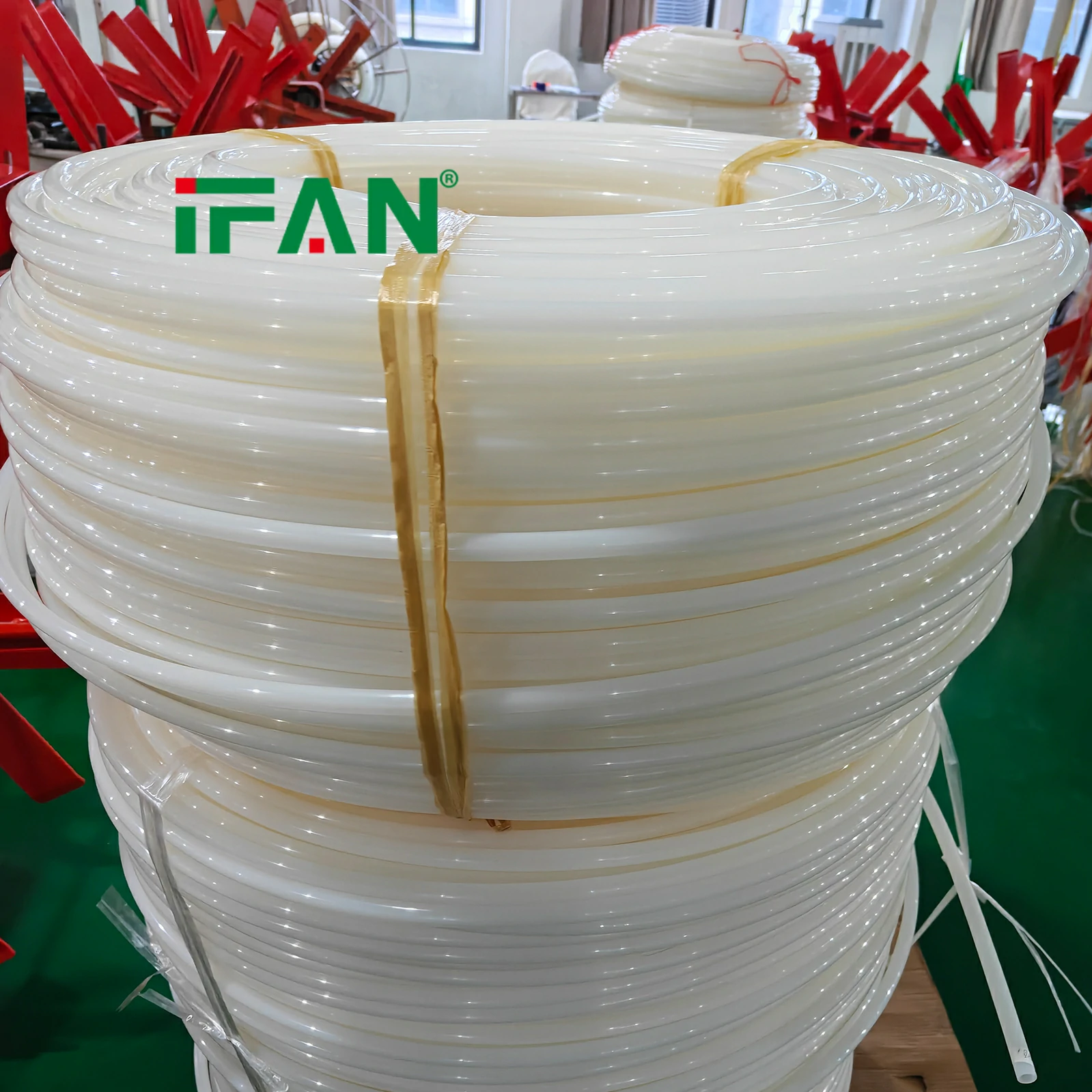
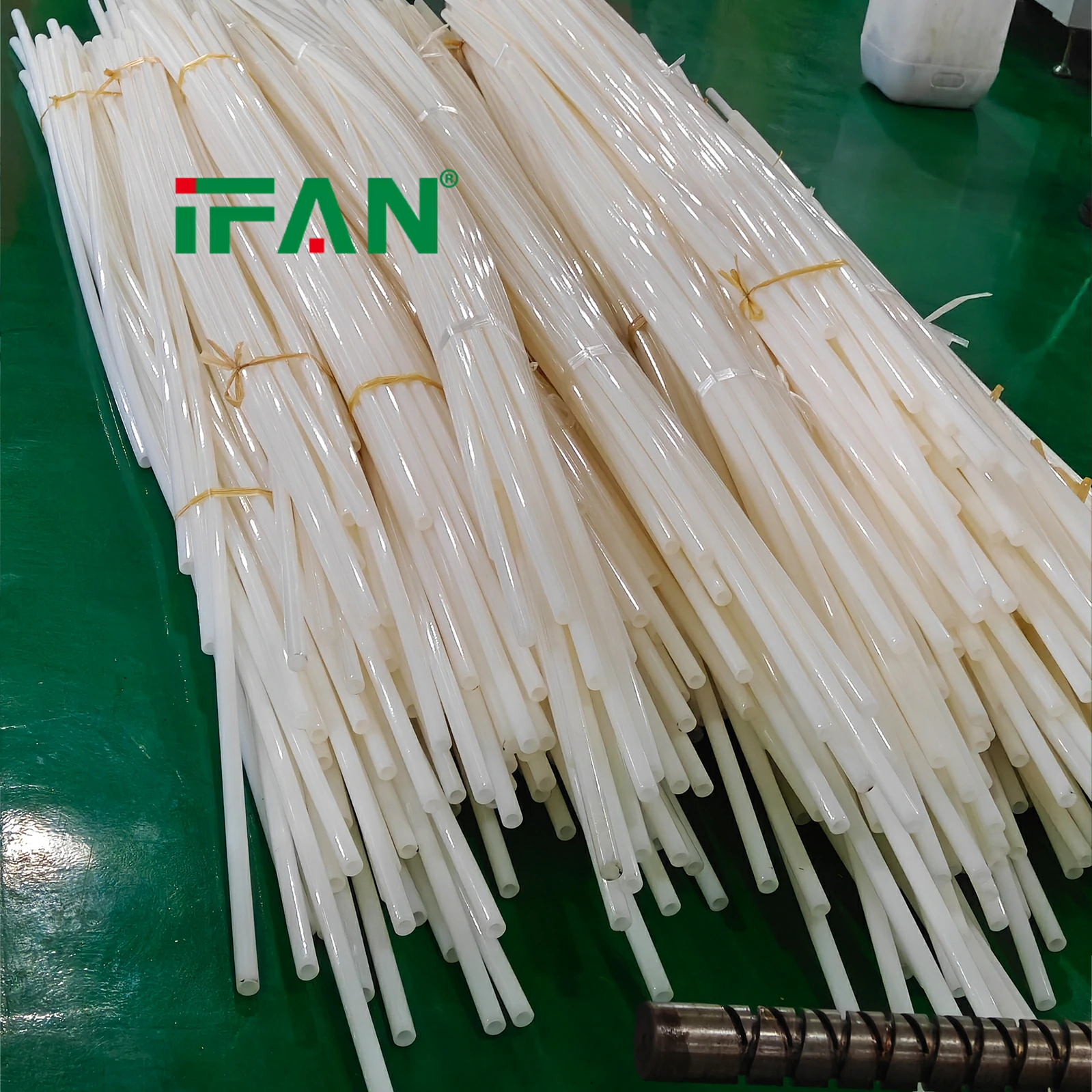
PEX A has become the default choice for a lot of plumbing work, and for good reason. It is the most flexible of the three PEX types, it handles the bends that real buildings demand, and it can be heat-repaired after a kink instead of cut out. IFAN’s PEX A pipe is built around those properties, and it is worth understanding what you are actually buying before you put it on a specification sheet.
Why PEX A Instead of B or C
The three PEX types differ in how the polymer is crosslinked. PEX A uses the Engel method, which creates crosslinks between the polymer chains throughout the wall rather than only at the surface. The practical result is a pipe that is softer, easier to bend, and more forgiving on site. PEX B is stiffer and PEX C sits somewhere in between. For an installer working in a tight ceiling void or pulling pipe through existing joists, the difference is not academic. PEX A bends without kinking at tighter radii, and when a kink does happen, a heat gun can often restore the pipe to its original shape. PEX B and PEX C do not offer that recovery.
IFAN produces PEX A with in-house control over the crosslinking process, which matters because the degree of crosslinking is what determines long-term pressure performance at temperature. A pipe that is crosslinked evenly behaves predictably. A pipe that is not will show it under sustained pressure and heat.
What It Handles
IFAN’s PEX A pipe is rated for domestic hot and cold water supply, and it carries the chlorine resistance designation that matters for potable water systems. The smooth bore resists scale in hard water areas, and the flexibility means fewer elbows in the run, which means fewer joints hidden behind a wall. For underfloor heating loops, the same flexibility makes it easier to achieve tight spacing without bend supports at every turn.
The pipe is available in the standard sizes and coil lengths that plumbing projects actually order, and it works with the common fitting systems on the market. If you are using expansion fittings, PEX A is the natural match because the pipe’s elasticity allows the fitting to expand and seat properly.
Installation Notes That Matter
PEX A is forgiving, but it is not indestructible. Keep the pipe warm in cold weather, because even PEX A becomes stiff and harder to work with below freezing. Use bend supports at tight turns rather than forcing the pipe past its minimum radius. And if a kink does occur, heat-repair is an option, but only on non-barrier pipe. If the pipe carries an oxygen barrier for heating applications, applying direct heat can damage the barrier layer, and the safer move is to cut and couple.
Pressure testing follows the usual discipline. Fill the system, pressurize to 1.5 times working pressure, hold for thirty minutes, and confirm no drop before closing walls.
Where It Fits in the IFAN Range
IFAN’s PEX A sits alongside its PEX B, PE-RT, and stainless corrugated lines, which means a project can source different piping needs from the same factory rather than piecing together suppliers. The fittings and brass manifolds are machined to match the pipe’s tolerances, so the assembly holds together the way the specification intended. For distributors carrying plumbing and heating products, PEX A is the workhorse SKU that most projects will ask for first.
Samples are free and OEM is supported, so evaluating IFAN’s PEX A against what you are currently specifying does not require a container commitment. The key is confirming that the pipe’s rating and the fitting system match the actual working conditions of the project, not just the price per meter.