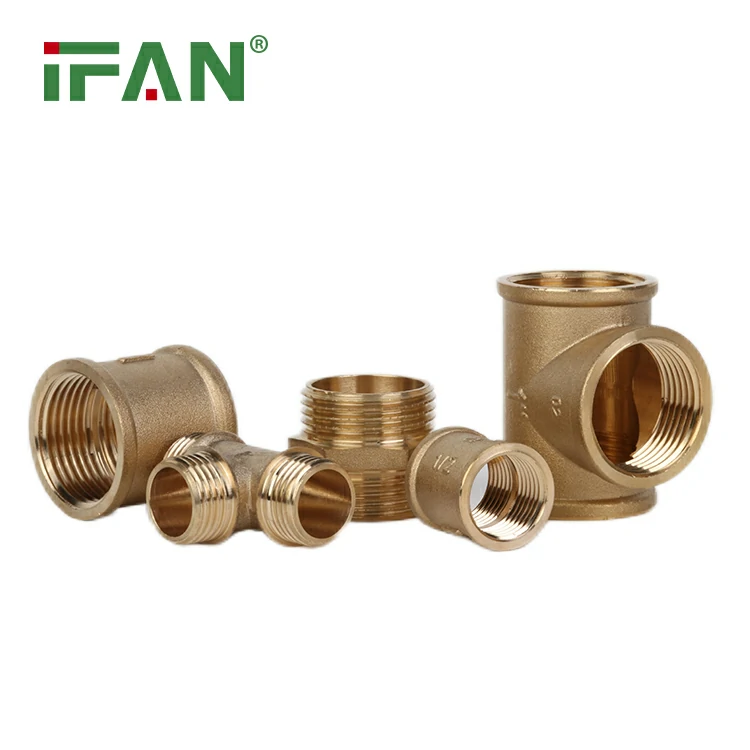
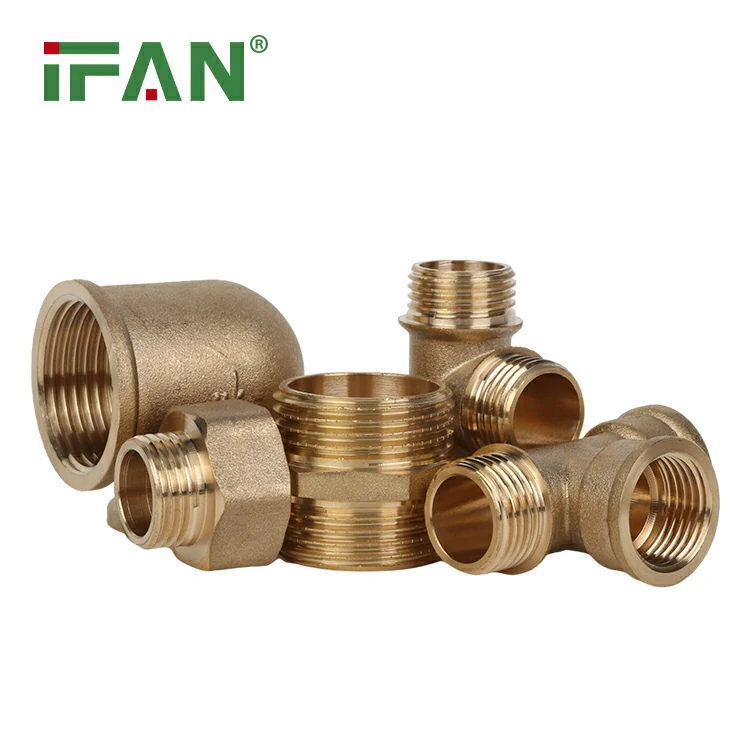
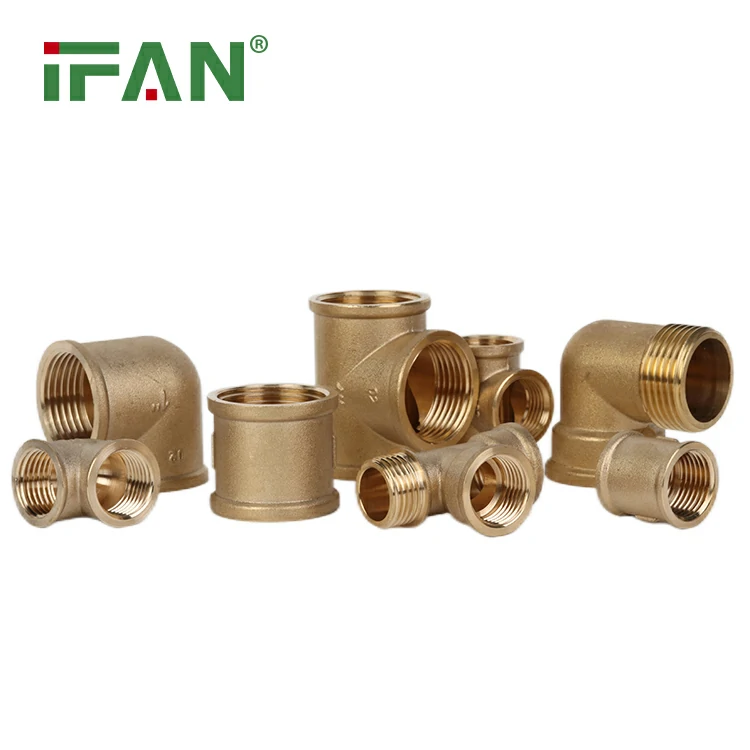
IFAN factory 30+ years manufacture experience support color /size customization support free sample.Welcome to consult for catalog and free samples.This is our Facebook Website:www.facebook.com,Click to watch IFAN’s product video.Compared with Tomex products, our IFAN products from quality to price are your best choice, welcome to buy!
Brass fittings are known for their durability and longevity, making them a popular choice in various plumbing applications. Whether you’re installing new plumbing systems or maintaining existing ones, proper care and maintenance of brass fittings are essential to ensure their continued performance and to extend their lifespan. In this guide, we’ll cover the best practices for maintaining brass fittings, along with some tips to keep them in top condition.
What Are Brass Fittings?
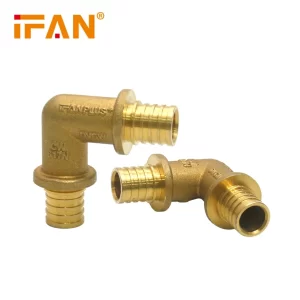
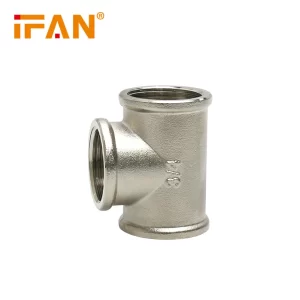
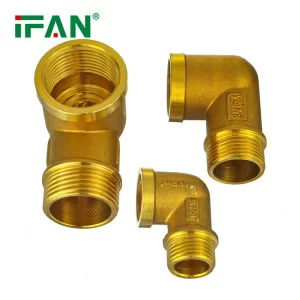
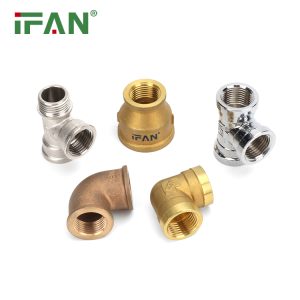
Before diving into maintenance tips, let’s first define what brass fittings are. Brass fittings are plumbing components made from an alloy of copper and zinc. They are commonly used in water, gas, and heating systems due to their corrosion resistance, strength, and malleability. These fittings come in a variety of shapes such as elbows, tees, couplings, and more, and they are essential in connecting pipes in plumbing systems.
Why Maintain Brass Fittings?
Maintaining brass fittings is crucial for several reasons:
– Corrosion Prevention: Although brass is highly resistant to corrosion, prolonged exposure to certain conditions can still lead to degradation over time.
– Leak Prevention: Leaks can occur if fittings are not properly maintained, leading to water or gas loss and potential damage to property.
– Optimal Performance: Regular maintenance ensures that the fittings continue to perform at their best, maintaining the efficiency of the entire plumbing system.
– Cost Savings: Proper care can prevent costly repairs or replacements, saving you money in the long run.
Now, let’s take a look at some best practices for maintaining brass fittings in your plumbing systems.
Best Practices for Maintaining Brass Fittings
1. Regular Inspection
Routine inspections are essential to catch any potential issues early. During your inspection, look for:
– Signs of Corrosion: Even though brass is resistant to corrosion, it can still tarnish or develop a patina over time. Check for discoloration, greenish stains, or any signs of wear.
– Loose Connections: Ensure that all fittings are tightly secured. If a fitting is loose, it can lead to leaks or reduced system performance.
– Cracks and Damage: Inspect brass fittings for any cracks, dents, or signs of mechanical damage. Over time, fittings may weaken, especially under pressure, and need to be replaced.
2. Cleaning Brass Fittings Regularly
Keeping brass fittings clean will help prevent buildup of dirt, debris, and mineral deposits that can affect their performance.
– Use a Soft Cloth: Wipe down brass fittings with a soft cloth to remove dirt and grime. Avoid using abrasive materials that could scratch the surface.
– Mild Soap Solution: For more stubborn dirt, mix mild soap with warm water and use a cloth to gently scrub the fittings.
– Avoid Harsh Chemicals: Steer clear of harsh chemicals that can damage the brass finish. If you need to remove tarnish, use a brass polish specifically designed for cleaning.
3. Preventing and Managing Corrosion
While brass is naturally resistant to corrosion, it’s still important to take steps to prevent damage from environmental factors, such as moisture and chemicals.
– Avoid Exposure to Harsh Chemicals: Exposure to harsh chemicals such as chlorine, bleach, or acid-based cleaners can degrade brass fittings over time. Always check the compatibility of cleaning products with brass.
– Use Lubricants: Applying a thin layer of lubricant or anti-corrosion compound to the threads of fittings can help prevent oxidation and wear. Make sure to use lubricants that are compatible with plumbing systems.
– Control Humidity: If you live in an area with high humidity, consider installing a dehumidifier in areas with plumbing to reduce the risk of corrosion.
4. Check for Leaks and Tighten Connections
Leaks are one of the most common issues with plumbing fittings. Over time, fittings may loosen due to temperature changes, water pressure fluctuations, or general wear.
– Tighten Fittings: Ensure that all brass fittings are properly tightened. However, avoid overtightening as this can damage the fittings and cause them to crack.
– Seal Threaded Connections: When installing or maintaining brass fittings, use Teflon tape or a thread sealant designed for plumbing to create a watertight seal and prevent leaks.
– ook for Signs of Leaking: Regularly inspect the area around brass fittings for signs of moisture or wet spots. If you notice leaks, address them immediately to prevent further damage.
5. Avoid Over-Pressurizing the System
Brass fittings are designed to withstand certain pressure levels. Over-pressurizing the plumbing system can put undue strain on the fittings, causing them to break or leak.
– Monitor Water Pressure: Make sure your water pressure is within the recommended range for your plumbing system. If you notice unusually high pressure, consider installing a pressure-reducing valve.
– Test Pressure Regularly: Periodically test the pressure in your plumbing system to ensure it is at safe levels.
6. Protect from Extreme Temperatures
Extreme temperatures can affect the integrity of your brass fittings. Although brass is resilient to temperature fluctuations, it’s still important to protect your plumbing from extreme conditions.
– Insulate Pipes: If your brass fittings are exposed to cold temperatures, make sure to insulate the pipes to prevent freezing, which can lead to pipe bursts.
– Avoid Direct Heat: Brass fittings should not be exposed to direct flame or high heat sources, as excessive heat can cause them to warp or crack.
7. Replace Worn or Damaged Fittings
Even with regular maintenance, some brass fittings may eventually need to be replaced. If you notice that a fitting is beyond repair—due to cracks, corrosion, or other significant damage—it’s important to replace it to prevent further issues.
– Choose the Right Replacement Fittings: When replacing brass fittings, ensure you purchase high-quality, compatible replacements to ensure the integrity of your system.
– Professional Help: If you are unsure about replacing a fitting yourself, consider calling a professional plumber to ensure the replacement is done correctly.
Conclusion
Brass fittings are a reliable and long-lasting component in plumbing systems. With proper maintenance, including regular inspections, cleaning, corrosion prevention, and leak checks, you can extend the life of your brass fittings and keep your plumbing systems running efficiently. Regular care will not only save you money on repairs but also ensure the safety and functionality of your plumbing system.
By following these best practices, you can help ensure that your brass fittings continue to perform at their best for years to come.
Frequently Asked Questions (FAQs)
1. How do I clean brass fittings?
To clean brass fittings, use a soft cloth with mild soap and warm water to remove dirt. Avoid harsh chemicals or abrasive materials that could damage the brass surface.
2. Can brass fittings be used for both hot and cold water systems?
Yes, brass fittings are suitable for both hot and cold water systems due to their resistance to heat and corrosion.
3. How can I prevent corrosion on brass fittings?
To prevent corrosion, avoid exposure to harsh chemicals, use lubricants or anti-corrosion compounds, and maintain a controlled environment with proper humidity levels.
4. What should I do if my brass fitting starts leaking?
If a brass fitting starts leaking, check for loose connections and tighten them carefully. If the leak persists, you may need to replace the fitting or use thread sealant for better sealing.
5. How often should I inspect brass fittings?
It’s recommended to inspect brass fittings at least once a year. If your system is exposed to extreme conditions or high pressure, more frequent inspections may be necessary.
This article has been optimized for SEO, including relevant keywords like “brass fittings,” “maintenance,” and “corrosion prevention,” ensuring that it performs well in search engine results and provides valuable information to readers.
Related products