IFAN factory 30+ years manufacture experience support color /size customization support free sample.Welcome to consult for catalog and free samples.This is our Facebook Website:www.facebook.com,Click to watch IFAN’s product video.Compared with Tomex products, our IFAN products from quality to price are your best choice, welcome to buy!
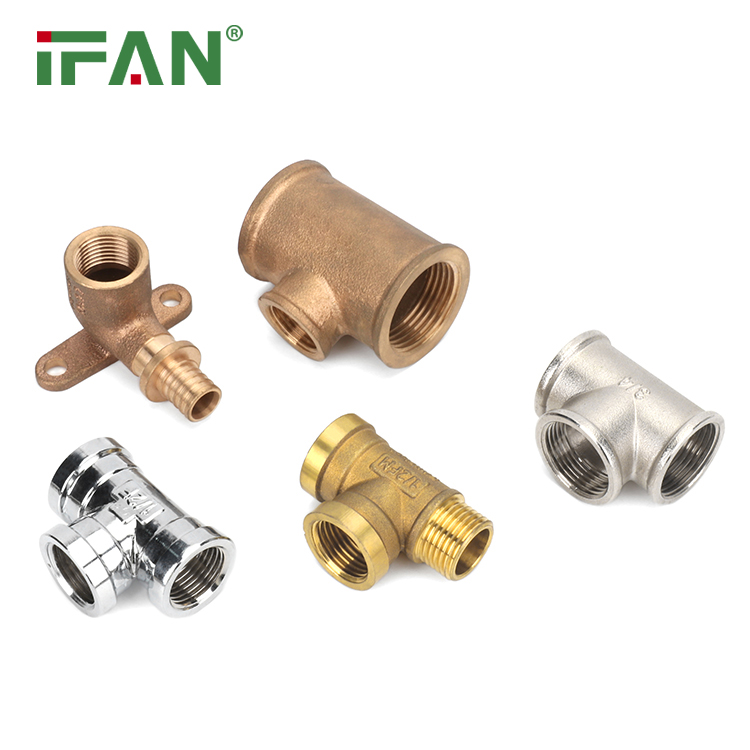
Brass fittings are a popular choice for various plumbing applications due to their durability, corrosion resistance, and ease of use. They are commonly found in residential, commercial, and industrial plumbing systems. However, like all plumbing components, brass fittings require regular maintenance to ensure they continue to perform at their best. In this article, we will discuss practical tips for maintaining brass fittings to extend their lifespan and keep your plumbing system running smoothly.
1. Regular Cleaning to Prevent Mineral Buildup
Brass fittings are susceptible to mineral buildup from hard water, which can clog the fittings and decrease water flow. To prevent this, it’s essential to clean the brass fittings periodically. Use a soft cloth or sponge with warm soapy water to wipe the surface. For stubborn mineral deposits, you can use a vinegar solution. Simply mix equal parts of white vinegar and water, apply it to the affected areas, and let it sit for a few minutes before wiping it clean.
Avoid using abrasive materials such as steel wool or harsh chemicals, as these can scratch and damage the brass surface.
2. Check for Leaks Regularly
Leaks are one of the most common issues with brass fittings. Over time, the seals and threads in the fittings can wear down, leading to water leakage. To prevent this, inspect your brass fittings regularly for signs of leaks, especially at connection points. If you notice a leak, turn off the water supply immediately and tighten the connection. If tightening doesn’t solve the issue, it might be time to replace the washers or O-rings inside the fitting.
Use Teflon tape or thread sealant on the threads of the fittings during installation to help create a watertight seal and prevent leaks.
3. Lubricate Moving Parts
Brass fittings with moving parts, such as valves or faucets, may become stiff or difficult to operate over time. Regular lubrication can help keep these parts moving smoothly. Use a silicone-based lubricant to apply to the valve stem or handle. Avoid using petroleum-based lubricants, as they can damage the brass material and cause corrosion.
Lubricating the valve stem or handle once or twice a year can prevent rust buildup and ensure easy operation of your brass fittings.
4. Avoid Over-tightening
Over-tightening brass fittings can lead to damage, cracking, or warping of the material. When installing or tightening brass fittings, use a pipe wrench or adjustable wrench, but avoid excessive force. Tighten the fitting until it feels secure, but stop once it’s firmly in place. Over-tightening can damage the threads and lead to leaks or system failure.
If you’re not sure how tight the fitting should be, check the manufacturer’s guidelines for torque specifications.
5. Protect Brass Fittings from Extreme Temperatures
While brass fittings are known for their ability to withstand temperature changes, prolonged exposure to extreme temperatures can cause damage. In areas where temperatures drop significantly, such as unheated outdoor plumbing systems, brass fittings can freeze and crack. To prevent this, make sure the fittings are properly insulated, especially in colder climates. You can use foam pipe insulation or heat tape to protect brass fittings from freezing.
In extremely cold environments, consider draining the water from the plumbing system when it’s not in use for extended periods to prevent freezing.
6. Avoid Exposure to Harsh Chemicals
Brass is resistant to many chemicals, but prolonged exposure to harsh chemicals, such as bleach or acids, can cause corrosion or discoloration. Avoid using harsh cleaning agents on brass fittings, and if chemicals spill on the fittings, rinse them off immediately with water. This will help preserve the integrity of the brass and prevent long-term damage.
When using cleaning products around brass fittings, ensure that they are mild and non-corrosive to avoid damage to the material.
7. Regularly Inspect for Wear and Tear
Over time, brass fittings can experience wear and tear due to continuous exposure to water pressure, heat, and environmental factors. Regularly inspect your fittings for signs of damage, including cracks, corrosion, or unusual discoloration. If any of these signs are present, it’s essential to replace the affected fitting as soon as possible to avoid further damage to the plumbing system.
If you’re unsure about the condition of your brass fittings, consider hiring a professional plumber for an annual inspection.
8. Install Fittings Correctly
Proper installation of brass fittings is essential to ensure their longevity. Follow the manufacturer’s instructions carefully when installing fittings, and use the appropriate tools to secure them. Improper installation can lead to leaks, pressure loss, and damage to the fittings, which can significantly reduce their lifespan.
Always ensure that the brass fitting is properly aligned and seated before tightening.
9. Use Brass Fittings for Suitable Applications
Brass fittings are versatile and durable, but they are not suitable for all applications. For example, if you are dealing with highly corrosive substances or extreme pressure systems, it’s best to consult a professional before choosing brass fittings. Using the wrong type of fitting in the wrong application can lead to failure, leaks, or corrosion.
Consult with an expert to ensure you’re using the right type of brass fitting for your specific needs.
10. Keep Brass Fittings Dry
Excess moisture can lead to corrosion and tarnishing of brass fittings. Ensure that the fittings are dry and free from water accumulation to prevent rust or discoloration. This is especially important in areas with high humidity or near water sources.
Use a dehumidifier in areas with high humidity to reduce the risk of moisture buildup around brass fittings.
Conclusion
Brass fittings are a reliable and durable component in plumbing systems, but like any other part of your plumbing, they require proper maintenance to perform effectively over the years. By following these maintenance tips, you can extend the life of your brass fittings, prevent costly repairs, and ensure that your plumbing system remains in top condition. Regular cleaning, lubrication, and inspections are simple but essential steps that can make a big difference in the longevity of your brass fittings.
Frequently Asked Questions (FAQs)
1. How often should I clean my brass fittings?
Regular cleaning every few months is recommended to prevent mineral buildup. If you live in an area with hard water, you may need to clean them more often.
2. Can I use brass fittings in high-pressure systems?
Brass fittings are generally suitable for most residential and commercial applications, but for extremely high-pressure systems, you may need to consult a professional to ensure compatibility.
3. How do I know if my brass fitting needs replacing?
If you notice visible cracks, corrosion, or significant wear, it’s time to replace the fitting. Also, if tightening the fitting doesn’t stop a leak, it may need replacement.
4. Can I use brass fittings outdoors?
Yes, brass fittings are durable and resistant to corrosion, but they should be insulated in extremely cold conditions to prevent freezing.
5. Are there any cleaning products I should avoid for brass fittings?
Avoid harsh chemicals, such as bleach or acidic cleaners, as they can damage the surface of brass fittings. Use mild, non-abrasive cleaners instead.
Related products
-
-
-
-
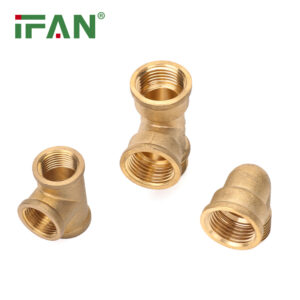 Brass Fittings
Brass Fittings: A Versatile Choice for Your Plumbing Needs